Optimizing Freight Forwarding Efficiency Through Digital Integration
Monday, August 3 2026

The freight forwarding industry is currently undergoing a rapid transformation as global supply chains demand higher levels of transparency and speed. Moving away from manual processes and fragmented data silos is no longer just an advantage but a fundamental necessity for survival in a competitive market. By embracing cloud based platforms and seamless software integrations, forwarders can synchronize their operations, reduce costly human errors, and provide real time visibility to their global client base. This article explores how modern technological infrastructure empowers logistics professionals to scale their businesses while maintaining operational excellence in an increasingly digital and connected global trade landscape.
Centralized Data Management

Centralizing logistics information creates a single source of truth for your entire team. By migrating fragmented spreadsheets and scattered email threads into one cloud platform, forwarders ensure that every department accesses accurate, synchronized shipment data to improve overall internal operational efficiency.
- Data accuracy improvements: Integrating automated data entry tools minimizes manual keystrokes, which significantly lowers the risk of human errors that often cause costly delays in international customs and cargo clearance.
- Unified team collaboration: Cloud platforms enable real time communication across different geographic locations, ensuring that agents, managers, and warehouse staff work from identical information sets during every shift.
- Historical data tracking: Systematic archiving allows firms to retrieve past shipment records instantly, which simplifies the auditing process and provides valuable insights for long term operational planning.
- Security and backups: Modern cloud infrastructure provides robust encryption and automatic backups that protect sensitive client information from local hardware failures or potential unauthorized access threats.
Adopting a centralized approach transforms how your agency processes information daily. Instead of searching through multiple systems or physical files, your staff can retrieve vital shipment details within seconds. This efficiency boost allows your team to focus on high value tasks like customer relationship management and strategic freight planning, rather than wasting precious time correcting mistakes caused by outdated or inconsistent data records.
Automated Workflow Sequences

Automation is the engine that drives productivity in modern logistics. By automating repetitive tasks such as document generation and status updates, freight forwarders can effectively remove bottlenecks that typically slow down shipment movement and compromise critical project delivery timelines and performance.
- Streamlined document generation: Automated systems convert raw shipment data into professional bills of lading or invoices, reducing administrative burdens while ensuring compliance with international trade regulatory standards.
- Proactive status alerts: Configure automated notifications that trigger updates to customers whenever a shipment reaches a specific milestone, reducing incoming inquiries and enhancing overall service transparency.
- Custom workflow triggers: Tailor system rules to automatically assign tasks based on specific cargo types or origin ports, ensuring that your team prioritizes urgent shipments correctly.
- Simplified financial processing: Integration between your freight platform and accounting software allows for automatic reconciliation of invoices, which accelerates your cash flow and reduces accounting errors.
Implementing intelligent workflows allows your logistics company to handle increased cargo volumes without needing a proportional increase in headcount. These automated sequences ensure that critical tasks are completed on time regardless of fluctuating shipment patterns or holiday periods. By refining your internal processes through technology, you create a scalable foundation that supports sustainable growth while consistently meeting high service expectations from clients.
Real Time Shipment Visibility
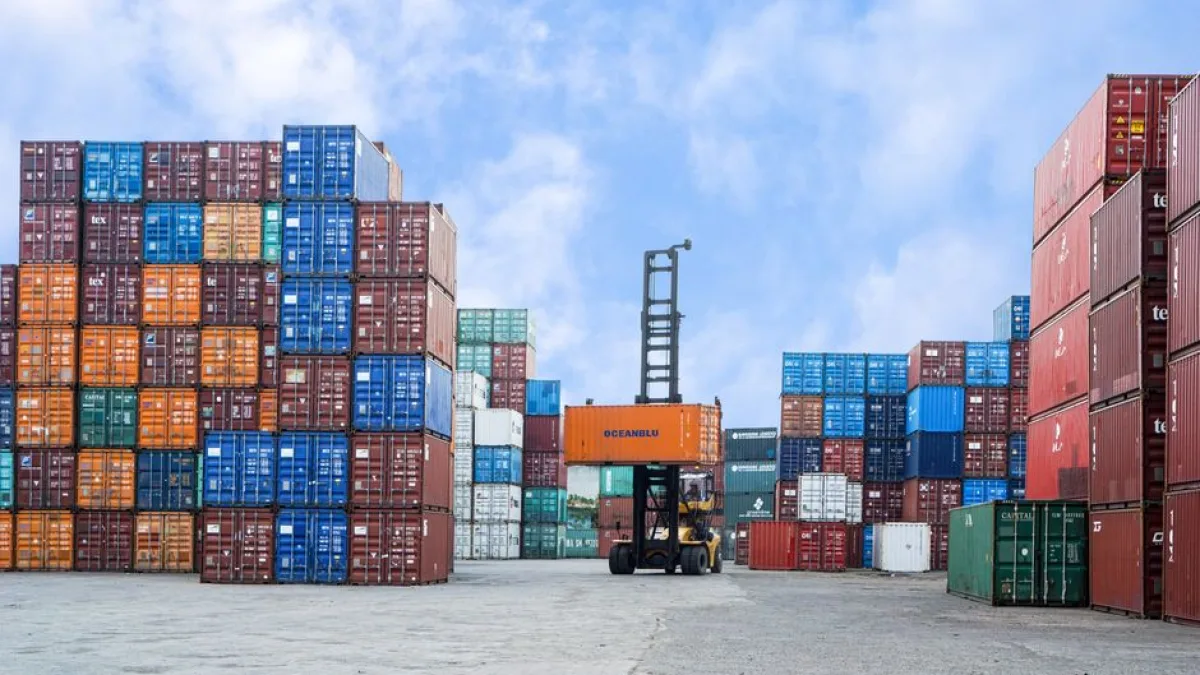
Visibility is the gold standard of modern supply chain management. Clients now expect instant updates regarding their cargo status, and providing this level of transparency is essential for building trust and securing long term partnerships in the freight forwarding sector.
- Live tracking updates: Modern API integrations pull status data directly from carriers, providing your clients with live information regarding the exact location of their goods.
- Interactive map displays: Visualize the entire route of a shipment on a digital map, helping your clients understand transit progress and potential delays in real time.
- Exception management tools: Receive automated alerts when shipments encounter delays or changes, allowing you to notify clients immediately and suggest alternative logistics solutions for them.
- Direct client portals: Grant your customers access to a private dashboard where they can track their specific orders without needing to contact your support team.
Giving your clients the power to track their own shipments increases your agency credibility. When forwarders offer high levels of transparency, they differentiate their services from competitors who still rely on manual email updates. This proactive communication strategy reduces anxiety for stakeholders and reinforces the perception of your firm as a tech savvy partner capable of navigating today complex global logistics environment.
Scalable Software Integrations

The flexibility of your software stack determines how easily your business can adapt to market changes. By choosing platforms that support diverse integrations, forwarders can expand their capabilities as their needs evolve, effectively future proofing their entire technical logistics infrastructure.
- Third party connectivity: Integrate your core logistics platform with carrier portals, customs databases, and accounting software to create a unified ecosystem that shares data effortlessly.
- Plug and play modules: Utilize modular software features that can be activated or deactivated depending on your current volume, helping you manage costs during seasonal peaks.
- API development support: Access robust programming interfaces that allow your technical team to build custom solutions tailored to your unique agency requirements and specialized cargo needs.
- Faster onboarding cycles: Use standardized integrations to train new employees quickly on familiar interfaces, reducing the learning curve for staff and improving total system adoption rates.
Investing in an integrated software ecosystem prevents the trap of working with isolated systems that do not communicate. By ensuring your tools work together harmoniously, you eliminate the need for manual data reconciliation between different software platforms. This cohesive environment allows you to add new features or partner services rapidly, ensuring your firm remains agile and responsive to changing customer demands and requirements.
Conclusion

Modern technology is the primary driver of success in the competitive world of freight forwarding. By focusing on integration, automation, and real time visibility, you position your agency to thrive in a digital marketplace. Evaluate your current software stack today to identify gaps and start building a more efficient future for your company. Your journey toward optimized logistics starts with better digital connectivity.