Optimizing Freight Forwarding Efficiency Through Digital Integration
Wednesday, September 16 2026
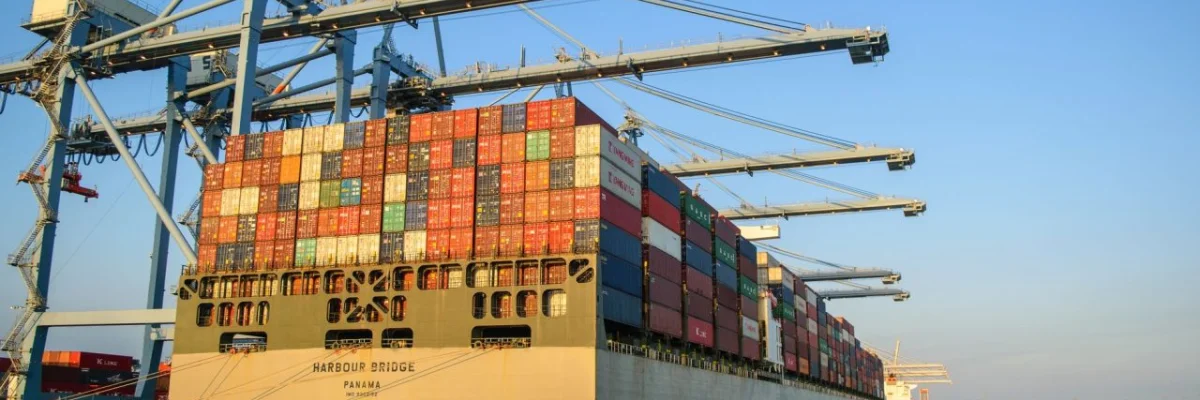
The logistics industry is currently undergoing a massive digital transformation that forces freight forwarders to reevaluate their manual workflows. Relying on spreadsheets and disconnected systems no longer provides the competitive edge required in a globalized market where speed and visibility are paramount. By leveraging cloud-based platforms and robust software integrations, forwarders can automate repetitive tasks, reduce human error, and gain real-time insights into their supply chains. This article explores how modern technological infrastructure helps professionals manage complex shipments more effectively while focusing on high-value client relationships rather than getting bogged down in redundant data entry and traditional paperwork processes.
Centralizing Data Ecosystems

Centralizing your data into one cloud-based environment creates a single source of truth for your entire team. When information flows seamlessly between departments, you eliminate the delays associated with manual updates and ensure that everyone works with the most accurate status reports.
- Unified Data Access: Consolidating your shipment details into a central platform ensures that every department views the same information, which significantly reduces communication bottlenecks and prevents costly internal errors.
- Automated Data Synchronization: Integration tools automatically update status fields across your system, removing the need for manual data entry and allowing staff to focus on solving complex logistical problems.
- Real-Time Visibility: Cloud architecture provides instant access to shipment milestones, empowering your operations team to proactively manage potential disruptions before they impact your clients bottom line.
- Improved Scalability: A centralized software infrastructure allows your business to handle larger shipment volumes without requiring a proportional increase in administrative staff or heavy technical overhead costs.
By moving away from fragmented legacy software, companies gain a holistic view of their global operations. This transparency improves internal collaboration and allows for faster decision-making across international borders. As digital systems handle the heavy lifting of data management, your professional team can shift their focus toward strategic planning and growth, ensuring that your company remains resilient in an increasingly volatile global market.
Automating Financial Workflows

Automating financial tasks like invoicing and billing significantly speeds up your cash flow cycles. Modern software handles the reconciliation process, ensuring that your accounts remain balanced while you spend less time manually verifying every individual shipment cost or vendor fee.
- Instant Invoice Generation: Automated systems create professional invoices the moment a shipment reaches its milestone, ensuring that your billing is always accurate and dispatched to clients without any delay.
- Seamless Payment Reconciliation: Integration with banking APIs allows your system to match incoming payments against open invoices automatically, which drastically reduces the administrative burden on your accounting staff.
- Error-Free Billing Cycles: By removing manual keyboard entry from the invoicing process, you eliminate common mistakes like mismatched currency conversions or incorrect service fees that frustrate your valued customers.
- Vendor Fee Management: Smart platforms automatically audit vendor invoices against original quotes, ensuring that you never overpay for carrier services and maintaining healthy profit margins per shipment.
Efficient financial workflows are the lifeblood of any successful freight forwarding business. By digitizing these manual touchpoints, you ensure consistent revenue recognition and improve client trust through precise and timely billing. Reducing the time spent on administrative accounting enables your team to dedicate more resources to business development and long-term client retention strategies, effectively positioning your firm for sustained financial success.
Enhancing Carrier Connectivity
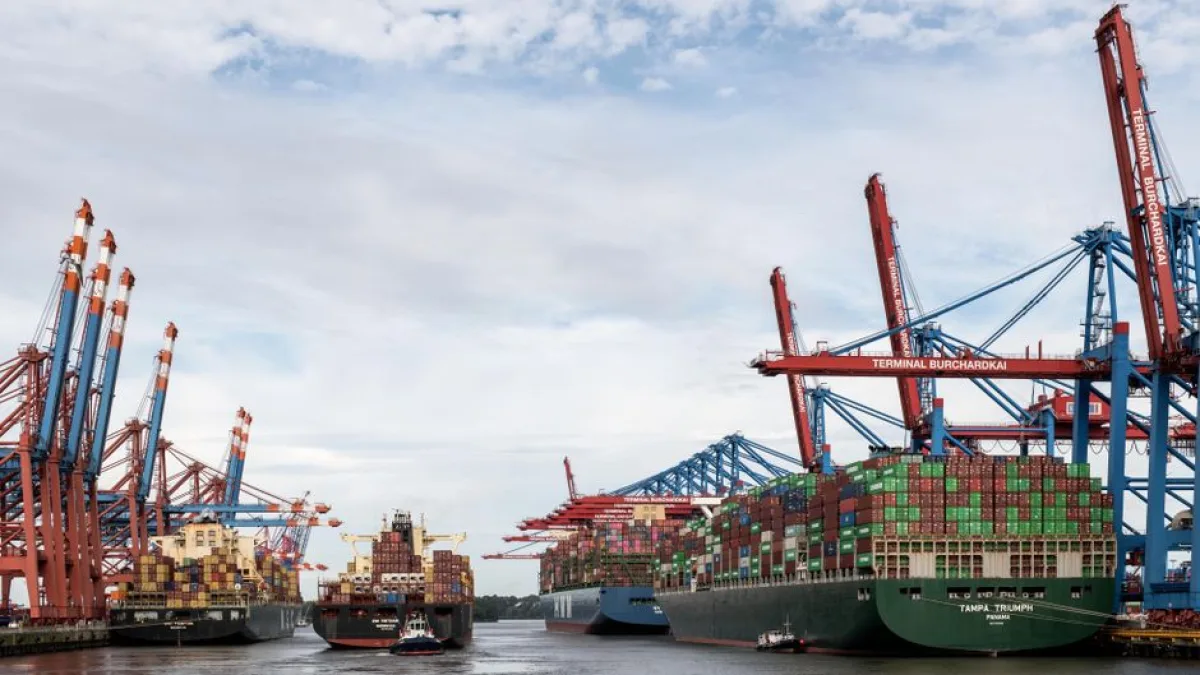
Connecting directly with carrier systems allows for smoother coordination of space bookings and documentation. This digital bridge ensures that you are always aware of available capacity and can secure competitive rates without making endless phone calls or sending emails.
- Direct Booking Integration: Establishing digital links with major carriers allows your team to secure space instantly, ensuring that you maintain priority access even during periods of heavy market congestion.
- Automated Tracking Updates: Integration tools pull carrier status updates directly into your dashboard, providing clients with precise location data without manual intervention from your logistics coordinators or agents.
- Electronic Document Exchange: Utilizing digital platforms to share bills of lading and commercial invoices prevents loss and speeds up the customs clearance process at major international ports.
- Capacity Planning Efficiency: Shared data feeds give you better visibility into upcoming vessel schedules, enabling you to optimize routing decisions and provide your clients with more reliable transit estimates.
Stronger carrier connectivity is essential for maintaining service reliability in a volatile global supply chain. When you prioritize technology that talks to carrier systems, you transform your operations into a proactive unit that anticipates challenges rather than just reacting to them. This level of technical maturity distinguishes high-performing forwarders, leading to better partnerships, improved operational reliability, and consistent long-term growth across your network.
Streamlining Compliance Procedures

Compliance management often feels like a bottleneck, but digital tools make it much easier to manage. Software platforms can automatically flag missing documentation or potential regulatory issues before shipments are processed, keeping your operations running smoothly and avoiding costly border delays.
- Regulatory Compliance Alerts: Intelligent software continuously monitors international shipping regulations, automatically notifying your team about critical changes to documentation requirements that could affect your specific cargo types.
- Digitized Customs Filing: Automated filing tools transmit your documentation directly to customs authorities, ensuring faster processing times and significantly reducing the risk of human errors during submission.
- Document Archiving Efficiency: Centralized storage ensures that all your critical shipment records are easily retrievable for audits, keeping your business fully prepared for compliance checks at any moment.
- Risk Management Integration: Modern platforms incorporate risk assessment tools that scan for potential compliance hazards, providing your team with actionable insights to mitigate legal and financial exposure.
Effective compliance management is no longer a matter of manual review but a requirement for smart digital operation. By automating these essential procedures, you minimize the risk of penalties and ensure that your clients shipments clear customs with minimal friction. This proactive approach saves your company significant time and money, allowing you to focus on delivering high-quality logistics services with complete operational peace of mind.
Conclusion

Embracing technology and seamless system integration is the only way for freight forwarders to thrive in the modern logistics landscape. By centralizing your data, automating financial processes, and enhancing connectivity with carriers and customs authorities, you unlock new levels of efficiency. Start evaluating your software stack today to ensure your business remains agile, competitive, and ready for the future of global trade.