Optimizing Freight Forwarding Efficiency Through Digital Integration
Tuesday, September 29 2026

The freight forwarding industry is undergoing a rapid transformation as global trade complexity increases and client expectations for real time visibility rise. Relying on manual data entry and disconnected spreadsheets is no longer a viable strategy for companies aiming to scale their operations in a competitive landscape. By embracing cloud based software and sophisticated digital integrations, forwarders can eliminate operational silos and reduce human error. These technological advancements provide the necessary agility to navigate supply chain disruptions while delivering superior service quality. Strategic integration serves as the backbone for modern logistics, turning chaotic data into actionable insights for every professional.
Unified Data Architecture

A unified data architecture acts as the central nervous system for your logistics operations, ensuring that information flows seamlessly across departments. By consolidating disparate systems into one cloud environment, you create a single source of truth for all stakeholders involved.
- Automated Data Synchronization: Eliminate repetitive manual entries by syncing data automatically across your management platforms to ensure that all relevant team members access the most current shipment status updates immediately.
- Centralized Documentation Management: Store all essential bills of lading, customs paperwork, and commercial invoices within a single secure repository to expedite audits and improve overall document accessibility for global teams.
- Real Time Visibility: Gain immediate clarity on cargo movements through live API connections that track shipments across multiple carriers, providing you and your clients with precise arrival time estimates.
- Error Reduction Protocols: Implement automated validation checks that flag inconsistencies in shipment data early in the process, which significantly minimizes costly administrative errors that often lead to major logistics delays.
Adopting this level of integration transforms how your agency operates by reducing the friction caused by information gaps. When your team spends less time hunting for documents or cross referencing spreadsheets, they can focus on higher value tasks like client relationship management and strategic freight procurement. This shift not only improves internal productivity but also directly impacts your bottom line by reducing operational overheads significantly.
API Driven Carrier Connectivity
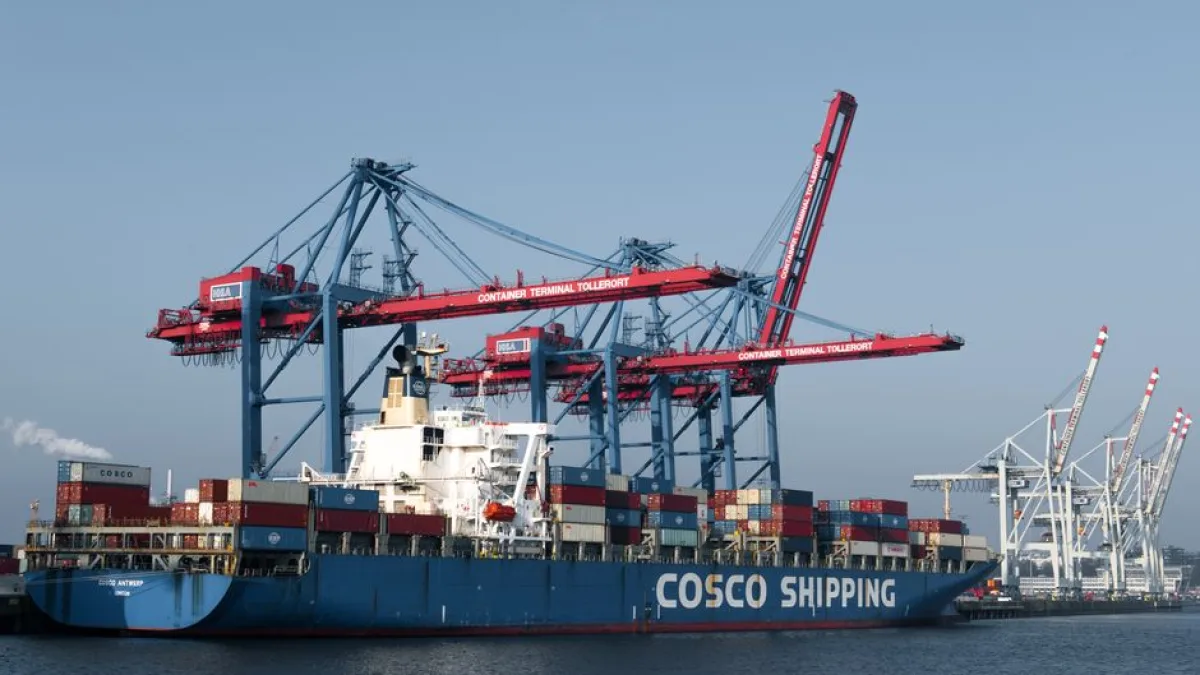
Connecting directly with carrier systems via APIs allows forwarders to bypass traditional portal logins. This direct communication channel enables a faster exchange of booking confirmations, status updates, and tracking information, making the entire freight management lifecycle much more efficient.
- Seamless Booking Flows: Transmit electronic booking requests directly to ocean or air carriers from your dashboard, which cuts down processing times and ensures that critical shipment data remains completely accurate.
- Instant Status Updates: Receive push notifications regarding shipment milestones directly within your software platform to keep your operations team informed without needing to check multiple external websites or carrier portals.
- Automated Freight Quoting: Fetch live pricing from carriers in real time to provide your customers with competitive and accurate quotes that reflect current market rates and capacity constraints instantly.
- Enhanced Document Exchange: Facilitate the rapid transfer of digitized shipping documents between your software and carrier systems to prevent delays at transshipment points and ensure faster customs clearance procedures.
The transition toward API driven connectivity changes the daily workflow of every freight professional by eliminating the need for tedious manual updates. By creating a direct pipeline between your internal system and the global carrier network, you ensure that every stakeholder has the visibility required to make informed decisions. This proactive approach significantly boosts your reputation as a modern, reliable, and highly responsive logistics provider.
Cloud Based Collaborative Tools

Modern logistics requires effective collaboration between internal teams and external partners across various time zones. Cloud based tools ensure that everyone stays aligned on project goals and shipment requirements regardless of their physical location or the device they use.
- Shared Operational Workspace: Enable your global team to collaborate on specific shipment files in real time, which prevents conflicting information and ensures all team members have consistent project updates.
- Client Portal Access: Grant your customers secure login access to a personalized dashboard where they can track their freight, download documents, and communicate with your team directly and easily.
- Internal Communication Channels: Integrate messaging features within your logistics platform to keep shipment discussions contextual, ensuring that project history remains attached to the correct booking record for future reference.
- Mobile Accessibility Support: Empower your field staff and warehouse teams to update shipment statuses using mobile devices, ensuring that critical information is captured the moment it happens on site.
Effective collaboration is the hallmark of a successful forwarder in today's fast paced market. By centralizing communication within your software, you remove the reliance on long email chains that often hide critical shipment details. This shift ensures that every piece of feedback or change in project scope is recorded, accessible, and visible to the right people, thereby preventing costly misunderstandings and service failures.
Scalable Analytics and Reporting

Leveraging big data allows forwarders to move beyond reactive management and start predicting future trends. Scalable analytics tools turn raw shipment data into intelligent reports, helping leadership teams identify growth opportunities and potential efficiency gains across their global trade networks.
- Customizable Performance Dashboards: Visualize key performance indicators like transit times and carrier reliability through interactive charts that help you identify which routes are consistently meeting client expectations or failing.
- Cost Analysis Reports: Aggregate historical pricing data to uncover trends in freight spend, allowing you to negotiate better rates with carriers based on your actual volume and lane performance.
- Client Profitability Tracking: Analyze the time and resources spent on individual accounts to determine which clients offer the best returns, enabling more strategic focus on your most valuable partners.
- Proactive Problem Solving: Utilize predictive models that warn you about potential bottlenecks based on historical data patterns, allowing your team to divert freight before major delays actually occur.
Access to deep, actionable analytics is what separates industry leaders from those merely trying to keep up. When you understand the underlying patterns of your business, you can make data driven decisions that optimize resource allocation and improve your competitive positioning. This continuous improvement cycle ensures that your agency remains profitable and resilient, regardless of the fluctuating conditions found in the international freight market.
Conclusion
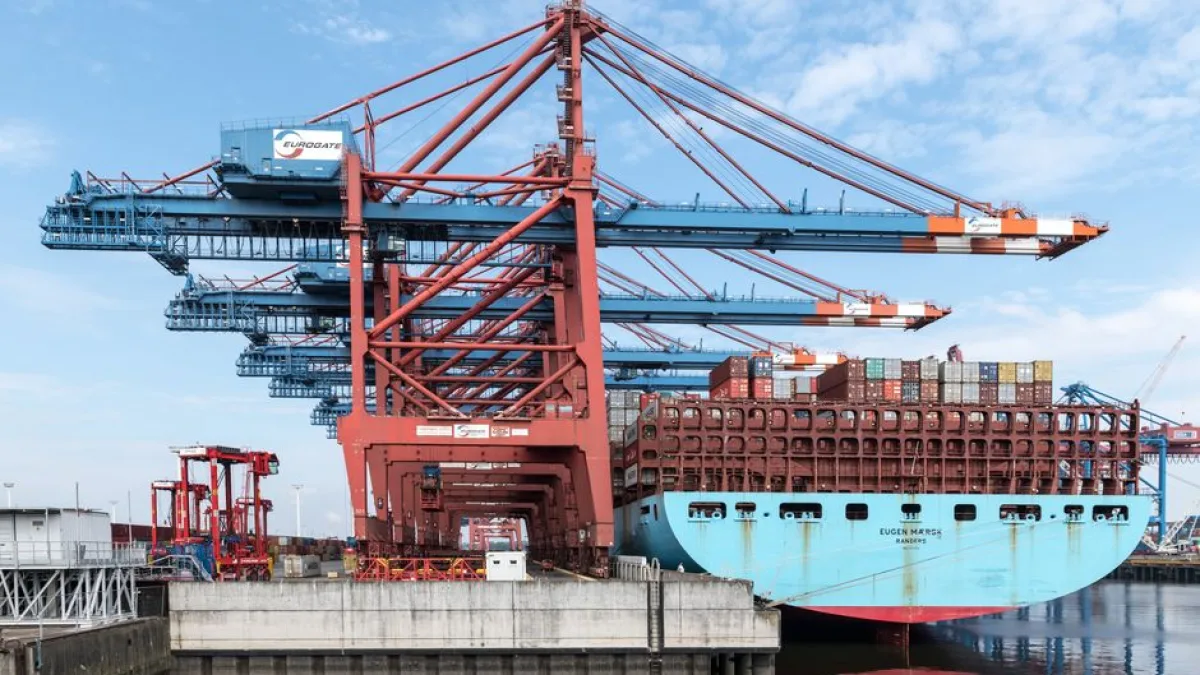
Integrating technology into your freight forwarding workflow is no longer an optional upgrade but a requirement for survival. By leveraging unified data, API connections, collaborative platforms, and robust analytics, you build a foundation for long term success. Start evaluating your current software capabilities today to see where you can automate processes and improve visibility. Embracing these digital tools will undoubtedly secure your agency's future growth.