Optimizing Freight Forwarding Efficiency Through Digital Integration
Wednesday, October 21 2026

The global freight forwarding industry stands at a critical juncture where manual processes and disconnected data silos no longer suffice to meet modern demand. As shippers demand real-time visibility and faster transit times, forwarders must adopt cloud-based digital infrastructure to remain competitive. Integrating disparate logistics software into a unified platform allows businesses to automate workflows, reduce manual errors, and provide superior client experiences. By embracing technology as a core operational pillar rather than an optional add-on, logistics providers can scale operations effectively while maintaining precise control over complex international supply chains in a volatile market environment.
Centralizing Data Management

Consolidating your operational data into a single cloud platform eliminates the chaos of juggling multiple spreadsheets and disconnected legacy tools. This unified approach provides team members with a single source of truth, ensuring that documentation, tracking, and communication remain consistent across all departments.
- Seamless Data Syncing: Automated synchronization between your booking systems and carrier portals ensures that all stakeholders receive accurate information updates in real time without requiring manual data entry interventions.
- Reduced Administrative Burden: By centralizing your workflow, your team spends significantly less time on repetitive manual tasks and more time focusing on strategic decision-making and high-value customer service requests.
- Enhanced Visibility Levels: Having a holistic view of your entire cargo pipeline allows for proactive problem solving before minor delays escalate into expensive logistical bottlenecks or critical service failures.
- Unified Reporting Tools: Generate comprehensive performance analytics across your entire organization to identify cost saving opportunities and monitor the overall efficiency of your freight forwarding operations every single day.
Transitioning to a centralized system significantly improves operational speed by removing communication friction between different branches. When every team member accesses the same data set, response times for quotes and shipment queries drop dramatically. This newfound agility allows your company to handle increased volumes without proportional increases in staff, ultimately driving higher profitability and enabling sustainable business growth in an increasingly crowded global logistics marketplace.
Automating Critical Documentation

Automated documentation transforms the tedious process of preparing bills of lading and commercial invoices into a swift digital exercise. Modern platforms utilize template engines to populate forms instantly, ensuring compliance and accuracy while reducing the heavy burden of manual administrative overhead.
- Smart Template Generation: Create professional shipping documents in seconds by pulling existing customer and cargo data directly from your integrated system to minimize human errors during the input phase.
- Compliance Error Mitigation: Sophisticated automated validation checks flag missing or incorrect data points before submission, which helps avoid customs penalties and prevents costly delays at international border control points.
- Secure Cloud Storage: Maintain a digital archive of all past and current documentation in a secure environment that is accessible to authorized team members from any global location.
- Instant Client Sharing: Provide your clients with immediate access to finalized documentation through a secure portal, fostering transparency and building trust through efficient professional communication and rapid document delivery.
By shifting to digital document automation, your team eliminates the risks associated with manual data transcription errors that often lead to rejected customs filings. This technology ensures that every document follows strict formatting standards required by global trade authorities. Your staff can focus on resolving complex exceptions rather than verifying basic details, creating a more professional environment that clients will appreciate and reward.
Real-Time Tracking Integration
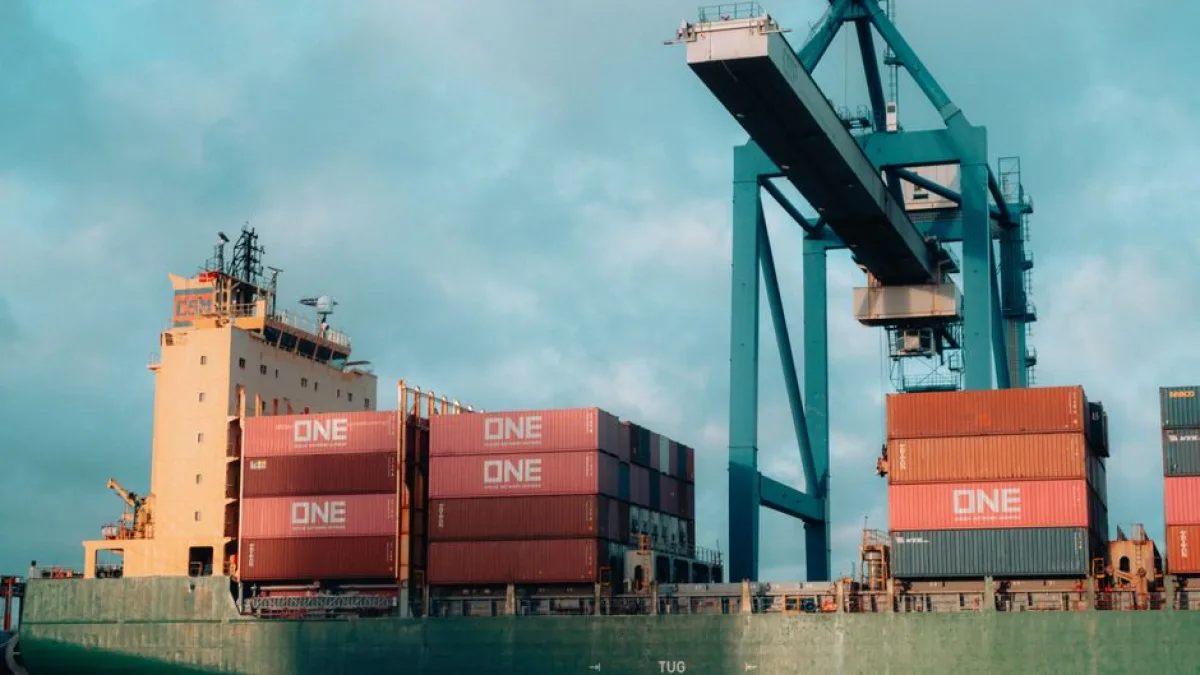
Real-time tracking integration provides the absolute clarity that modern shippers expect from their logistics partners. By linking your platform directly with carrier systems and GPS tracking providers, you can offer clients precise location updates for their freight at any moment.
- Carrier API Connectivity: Establish direct digital links with ocean and air carriers to pull live status updates directly into your software without relying on manual email inquiries anymore.
- Automated Status Alerts: Configure your system to push automated notifications to clients whenever a significant milestone occurs, keeping them informed without needing extra internal communication from your team.
- Map Interface Displays: Visualize the exact transit route of your shipments on interactive maps, which provides an intuitive way for both staff and customers to understand current locations.
- Proactive Exception Alerts: Receive immediate system notifications when shipments face unexpected delays or route changes, allowing your team to contact customers with solutions before they even ask questions.
Implementing live tracking capabilities serves as a significant differentiator when bidding for new business contracts. Clients value transparency above almost all other factors in logistics. By providing a self-service portal where customers view their shipment statuses independently, you drastically reduce the volume of inbound status inquiry calls, allowing your operations team to dedicate their energy toward managing larger volumes of complex global freight.
Scaling Through Cloud Infrastructure

Cloud infrastructure provides the necessary flexibility for forwarders to scale their operations upward during peak seasons without purchasing expensive physical hardware. This elastic nature ensures that your software performance remains stable even as your transaction volume grows throughout the business year.
- Elastic Capacity Scaling: Adjust your system resources based on current business needs to ensure that your platform maintains high performance levels during your busiest peak shipping seasons every year.
- Remote Access Capability: Allow your global team members to work securely from any location worldwide while maintaining total control over internal system access and company data security protocols.
- Regular Software Updates: Benefit from automatic platform enhancements and security patches deployed by your software provider, ensuring your business always uses the latest tools without manual system maintenance.
- Collaborative Work Spaces: Foster better internal communication by using cloud platforms that support real time collaboration between different regional offices, branches, and remote employees in your logistics network.
Leveraging cloud based infrastructure means your company remains lean and adaptable in a volatile global economy. You avoid the heavy capital expenditure associated with traditional on-premise servers and maintenance contracts. Instead, you gain a robust technology stack that evolves alongside your business requirements. This modern approach keeps your operations secure, fast, and ready to tackle the challenges of international trade at any scale.
Conclusion
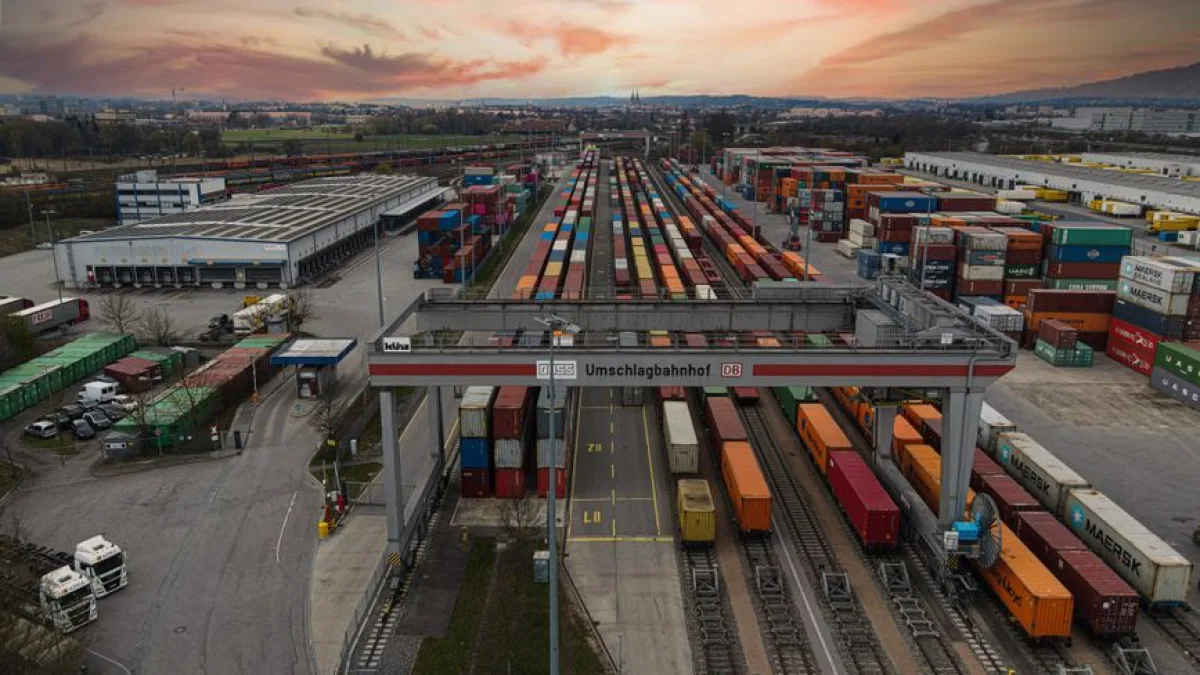
Technology represents the most powerful tool for growth in the current freight forwarding sector. By choosing to integrate your workflows through advanced cloud platforms, you replace manual inefficiency with scalable automation. Your team gains the ability to focus on strategy and customer success rather than administrative tasks. Start your digital transformation today to secure a long-term competitive advantage in the global logistics industry.