Optimizing Freight Forwarding Efficiency Through Digital Integration
Saturday, October 24 2026

The global logistics landscape is undergoing a profound transformation driven by rapid technological advancement and the demand for real-time visibility. Freight forwarders are increasingly moving away from legacy spreadsheet methods toward integrated cloud-based platforms that streamline complex operational workflows. By consolidating shipment tracking, customs documentation, and financial data into a single interface, forwarders can significantly reduce manual errors and overhead costs. This shift is not just about keeping pace with competitors but about unlocking new levels of productivity. Organizations that prioritize digital infrastructure today will position themselves as leaders, capable of managing sophisticated supply chains with agility, accuracy, and improved client satisfaction.
The Power of API Connectivity
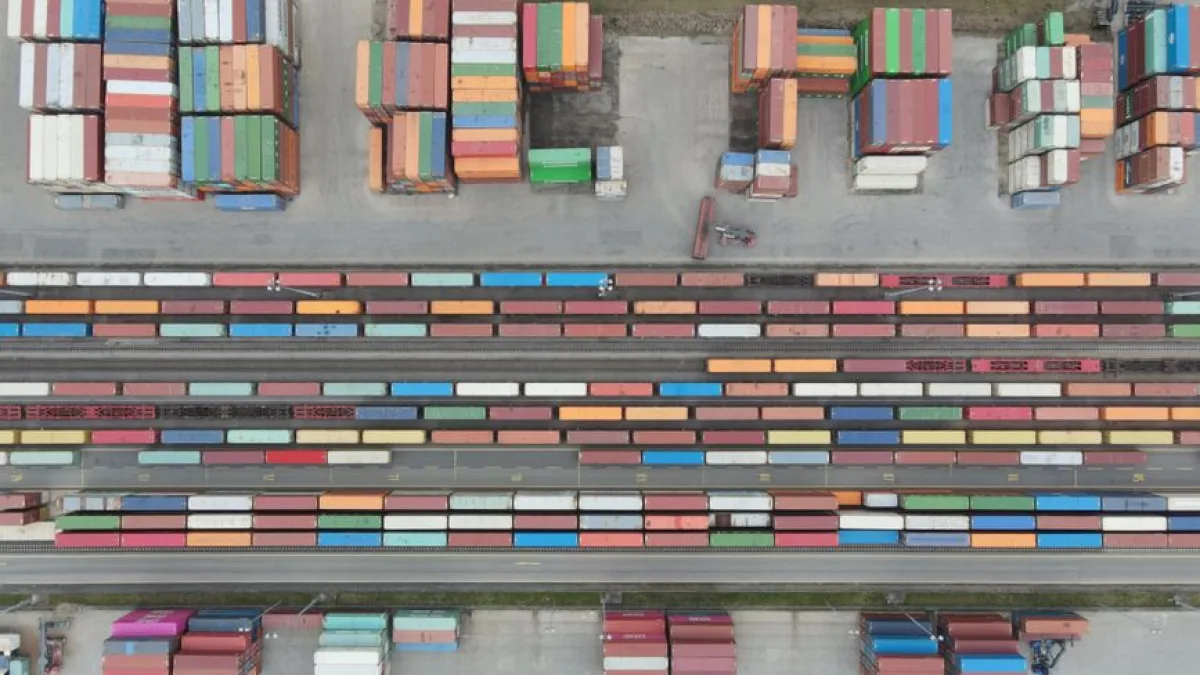
Modern digital ecosystems rely on seamless API connectivity to bridge the gap between distinct software systems. By allowing diverse platforms to communicate effortlessly, freight forwarders gain access to live updates that eliminate information silos and accelerate decision-making processes across global teams.
- Enhanced Data Accuracy: Automating the transfer of shipment data between carriers and internal systems minimizes human intervention, effectively eliminating costly manual entry errors during the critical booking phases.
- Real-time Visibility: Integrating direct data feeds provides logistics managers with instant status updates on cargo movements, ensuring proactive communication with clients throughout the entire transport lifecycle.
- Streamlined Workflow Automation: Triggering specific events based on incoming carrier messages allows operational teams to focus on complex problem solving rather than repetitive administrative data management tasks.
- Scalable System Infrastructure: Cloud-based platforms offer the flexibility to add new modules or carrier integrations as your freight forwarding business expands into new international shipping markets.
Adopting robust API standards empowers your team to handle higher shipment volumes without expanding headcount. As manual roadblocks vanish, your staff can devote more time to high-value strategic planning and nurturing client relationships. Investing in a connected architecture is the primary step toward achieving operational excellence in a digital environment, ultimately driving consistent long-term growth and resilience for your entire freight forwarding organization.
Centralizing Document Management Workflows

Centralizing documentation is vital for maintaining compliance and speed in international trade. Digital document management systems enable secure storage and instant retrieval of bills of lading, invoices, and customs declarations within your cloud-based freight forwarding platform software.
- Secure Cloud Storage: Protecting sensitive logistics documentation within encrypted cloud environments ensures that your company remains compliant with data privacy regulations while enabling remote team access.
- Automated Version Control: Preventing document duplication is crucial when managing international shipments, as automated systems ensure all stakeholders view the most recent version of crucial paperwork.
- Faster Customs Clearance: Digitizing essential trade documents accelerates the submission process to local customs authorities, reducing potential port delays and associated demurrage charges for global clients.
- Structured Retrieval Systems: Utilizing smart indexing features allows your staff to find specific historical shipment records in seconds rather than spending hours searching through physical files.
Efficient documentation practices directly correlate with faster turnover times and reduced operational friction. By transitioning to a paperless environment, your team gains control over the entire shipment lifecycle while maintaining rigorous compliance standards. This transition represents a fundamental shift in professional conduct, ensuring your forwarder remains audit-ready at all times and capable of handling complex cross-border documentation challenges with maximum precision.
Enhancing Customer Transparency Standards

Client expectations for transparency have reached unprecedented levels in the logistics industry. Providing customers with a branded digital portal allows them to track their shipments and access documents independently, which drastically reduces the volume of routine status inquiries.
- Branded Tracking Portals: Offering clients a personalized interface to monitor their cargo enhances your professional brand image while fostering trust through constant and clear information flow.
- Proactive Milestone Notifications: Automated email and SMS updates keep customers informed about arrival and departure changes, which significantly lowers the workload for your customer support department.
- Self-Service Document Access: Empowering clients to download their own invoices and transport documents saves your team valuable time while providing a superior overall customer user experience.
- Actionable Shipment Insights: Providing clients with analytical reports through their portal allows them to optimize their own supply chain strategies based on your data-driven logistics insights.
Transparency is no longer a luxury but a fundamental component of client retention strategies. When customers feel empowered by the data provided through your platform, they develop deeper loyalty toward your freight forwarding services. This self-service approach saves your staff from answering repetitive status queries, enabling them to focus on resolving urgent shipment issues and providing high-level personalized logistics consultancy services.
Future-Proofing Your Freight Operations

Preparing for the future of freight forwarding requires continuous investment in scalable technology stacks. By choosing a flexible cloud-based software partner, you ensure that your business remains capable of adopting emerging tools like machine learning and predictive analytics.
- Predictive Analytics Capability: Utilizing historical shipping data helps your team forecast seasonal demand fluctuations, enabling more accurate capacity planning and better negotiation leverage with international ocean carriers.
- Interoperable Software Ecosystems: Selecting platforms that support third-party integrations allows you to create a customized software environment that fits your unique operational needs and specific trade lanes.
- Rapid Feature Deployment: Cloud-based freight software receives frequent updates, ensuring your team always works with the latest security features and technological enhancements without needing manual upgrades.
- Sustainable Growth Strategy: Building a technology foundation that scales automatically with your shipment volume allows for aggressive business expansion without compromising your internal operational service standards.
Technology serves as the backbone of every successful modern freight forwarder. By focusing on a scalable and integrated software strategy, you protect your business against unforeseen market volatility and changing industry regulations. This proactive stance ensures that your logistics firm remains relevant, efficient, and profitable for years to come. Start optimizing your digital workflows today to secure your competitive advantage globally.
Conclusion
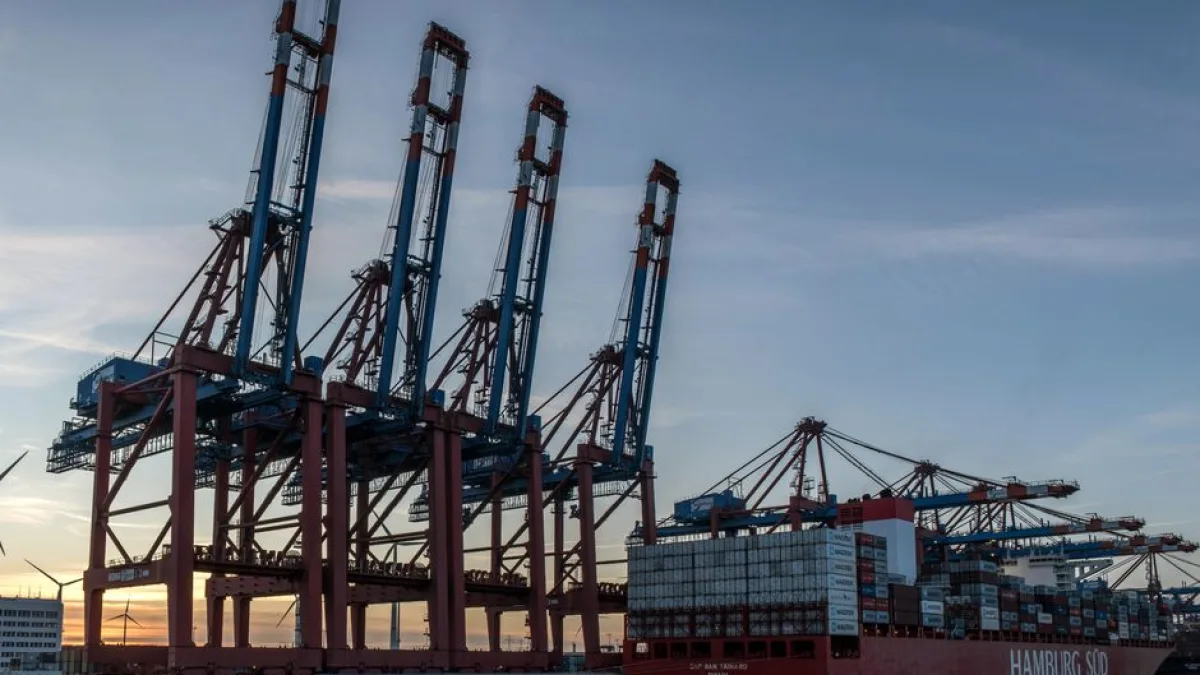
The transition toward integrated cloud software is the defining change for successful freight forwarding firms. By leveraging connectivity, centralization, and transparency, your team gains the tools required to excel in a demanding global market. Embrace these technological advancements to reduce operational costs, boost employee productivity, and deliver superior service to your clients. Your journey toward a more efficient and profitable future starts with better integration.