Optimizing Freight Forwarding Efficiency Through Smart Tech Integrations
Tuesday, August 18 2026

The global logistics landscape is undergoing a massive transformation driven by rapid technological adoption and changing customer demands. For freight forwarders, the ability to maintain a competitive edge relies heavily on how well they integrate modern software into their daily operations. By shifting away from fragmented manual workflows toward unified cloud-based ecosystems, forwarders can unlock unprecedented levels of visibility and operational speed. Embracing these advanced digital tools is no longer a luxury but a fundamental necessity for businesses aiming to thrive amidst the complexities of international trade. This guide explores the essential technology integrations that will define the future of successful freight forwarding companies.
Centralizing Data Ecosystems

Modern logistics environments generate vast amounts of data across multiple channels. Centralizing this information into a single cloud-based interface allows teams to access real-time metrics, effectively eliminating silos and enabling smarter decision-making processes for complex international shipments and client management.
- Seamless API connectivity: Our platform bridges the gap between disparate carrier systems by utilizing robust API integrations that automate data flow and reduce the risk of human entry errors.
- Unified client portals: Providing customers with a single source of truth for their shipment status helps reduce inquiry volume while significantly increasing overall transparency and client retention rates.
- Cloud storage access: Storing essential documentation in a centralized cloud environment ensures that your entire global team can retrieve critical shipping files from any location at any time.
- Automated data syncing: Real-time synchronization features eliminate the need for manual file transfers between departments by ensuring that all records are updated instantly as new status updates arrive.
By bringing every piece of operational data under one digital roof, freight forwarders can finally achieve a holistic view of their supply chain performance. This level of clarity empowers managers to spot bottlenecks before they impact delivery timelines. When technology handles the heavy lifting of data organization, your staff can focus their energy on high-value tasks like strategic planning and nurturing important client relationships.
Automating Document Management

Managing commercial invoices, bills of lading, and customs declarations often creates massive bottlenecks in the shipping cycle. Advanced automation tools simplify this by digitizing document creation and storage, ensuring that compliance requirements are met without wasting time on repetitive clerical tasks.
- Smart document parsing: Intelligent software reads and categorizes incoming shipping documents automatically, extracting key information to pre-fill forms and drastically shortening the time required for customs clearance processes.
- Digital signature integration: Incorporating e-signature tools directly into your workflow allows for the instant validation of important agreements without waiting for physical mail or fragmented email communication threads.
- Automated compliance checks: Integrated verification systems scan your documentation against current international trade regulations, flagging potential errors or missing requirements before they cause costly delays during transit.
- Paperless storage workflows: Transitioning to a fully digital filing system reduces physical overhead while making your historical archives instantly searchable through simple keyword queries in your software dashboard.
Automating the document lifecycle removes the friction that slows down even the most experienced forwarding teams. By leveraging machine learning to handle data extraction and validation, your firm can maintain higher accuracy rates across every shipment. This reduction in administrative burden allows your team to manage higher volumes of freight without needing to scale up your head count proportionally every single year.
Enhancing Real-Time Tracking
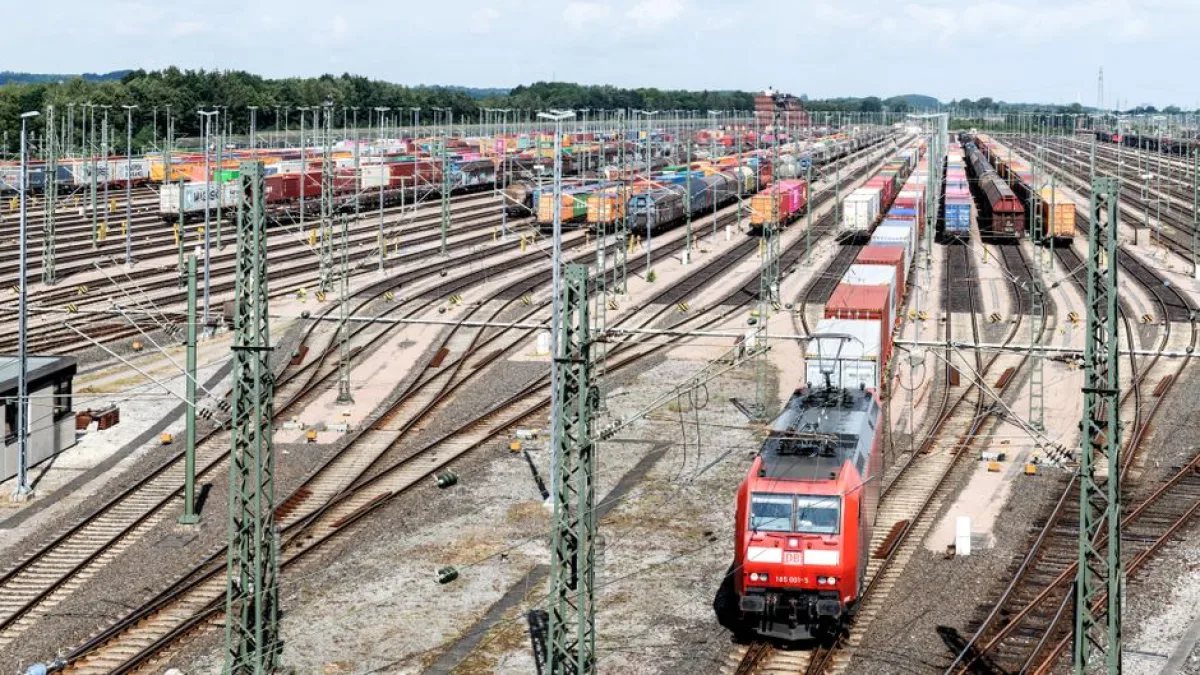
Visibility is the primary currency of the modern shipping world. Integrating live carrier tracking data into your internal software provides immediate updates on location, transit status, and potential delays, allowing you to provide proactive communications to clients before they ask for updates.
- Carrier data aggregation: Our software pulls direct updates from shipping lines and airlines into one dashboard so that you can monitor cargo progress across multiple modes easily.
- Proactive status alerts: Configure custom notification triggers that automatically inform your clients about shipment milestones or unexpected delays, positioning your firm as a reliable and proactive service partner.
- Interactive map visualization: Visualizing vessel paths and truck routes on a digital map helps your logistics coordinators plan better routes and react quickly to regional port congestion.
- Exception management tools: Advanced systems identify shipments that deviate from scheduled timelines, enabling your team to resolve issues through swift rerouting or direct communication with the local agents.
The ability to provide accurate, up-to-the-minute tracking information separates elite forwarders from the rest of the industry. When clients trust that you have a firm grasp on the status of their cargo, loyalty naturally increases. By utilizing live data feeds rather than stale spreadsheets, your team gains the power to manage expectations effectively and resolve potential issues long before they become critical problems.
Integrating Financial Workflows

Financial health depends on accurate billing and timely payment processing. Integrating your accounting software with your freight management platform ensures that every invoice is generated accurately based on actual shipment costs, preventing revenue leakage and speeding up the overall cash cycle.
- Automated invoice creation: Syncing shipment data with billing tools creates accurate invoices automatically, ensuring that all accessorial charges and service fees are correctly calculated for every single shipment.
- Integrated payment processing: Offer your clients convenient online payment gateways that link directly to your financial system, reducing administrative follow-up and improving your day-to-day cash flow management.
- Cost analysis reporting: Gain deep insights into your margins by tracking vendor costs against client invoices within a single integrated platform designed to optimize your profitability levels.
- General ledger sync: Direct integration with major accounting software packages ensures that your financial records are always accurate, making month-end reconciliations much faster and far less prone.
Tightening the connection between operational performance and financial reporting is vital for long-term growth. Without seamless integration, discrepancies between what was quoted and what was invoiced can quickly erode your profits. Utilizing smart financial technology allows you to maintain clean books while providing your customers with clear, professional billing statements that build confidence in your firm as a sophisticated business partner.
Conclusion
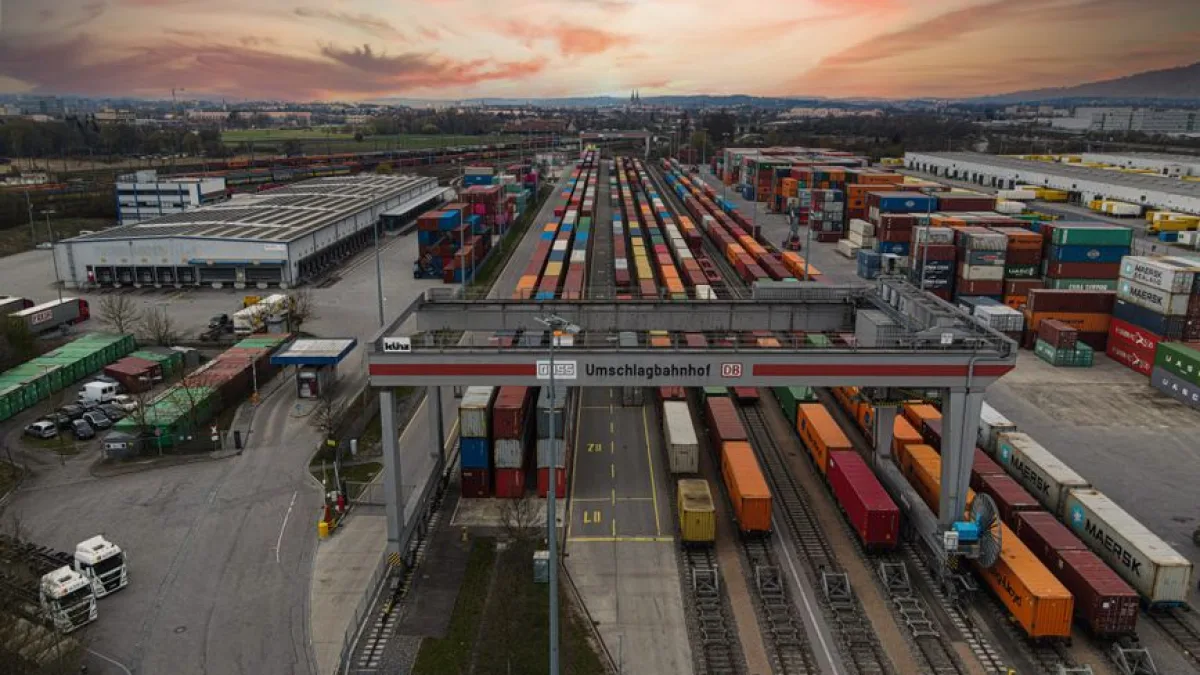
Modernizing your logistics operations through smart integrations is the fastest path toward sustainable success in the freight forwarding sector. By unifying your data, automating complex document tasks, providing real-time visibility, and streamlining financial workflows, you position your business to handle future growth with confidence. Start evaluating your current tech stack today to identify where smart integrations can provide the most value for your team.