Optimizing Freight Forwarding Efficiency with Modern Digital Tools
Friday, August 14 2026

In the rapidly evolving landscape of global trade, freight forwarders face increasing pressure to maintain margins while meeting high client expectations for transparency. Digital transformation is no longer a luxury but a fundamental necessity for businesses aiming to stay competitive in an interconnected logistics environment. By shifting from legacy systems to integrated cloud-based platforms, professionals can reduce manual entry errors, optimize shipment visibility, and foster stronger relationships with carriers and clients alike. Adopting a data-driven approach allows you to anticipate bottlenecks, streamline documentation workflows, and reclaim valuable time that can be better spent on strategic account management and business growth initiatives.
Mastering Automated Documentation

Manual data entry is the primary cause of delays and errors in modern logistics operations. Transitioning to automated workflows ensures that your documentation processes remain accurate, compliant, and lightning fast, providing your team with the precision required to handle complex international shipment requirements.
- Eliminate manual entry: Reduce human error by syncing data directly from your client portals into your master shipment records, ensuring that every detail is captured accurately and efficiently every time.
- Standardize filing systems: Create consistent digital naming conventions and storage structures that allow your team to retrieve critical shipping documents instantly without searching through endless physical paper folders or files.
- Automated compliance checks: Utilize integrated software to automatically validate HS codes and regulatory requirements, which minimizes the risk of expensive fines or customs holds during the transit process.
- Real-time document sharing: Enable instant collaboration by allowing stakeholders to view and upload documents within a secure environment, which eliminates the need for lengthy email chains and constant follow-ups.
- Cloud storage security: Leverage enterprise-grade cloud security protocols to protect sensitive client and cargo data from cyber threats while ensuring that your information remains accessible from any global location.
By investing in documentation automation, you transform your operations from a reactive state into a proactive powerhouse. This transition minimizes the overhead costs associated with administrative burdens while significantly improving your overall accuracy rates. As you remove the friction from your daily workflow, your staff gains the freedom to focus on high-value tasks that directly impact your bottom line and improve long-term client retention.
Enhancing Real-Time Shipment Visibility
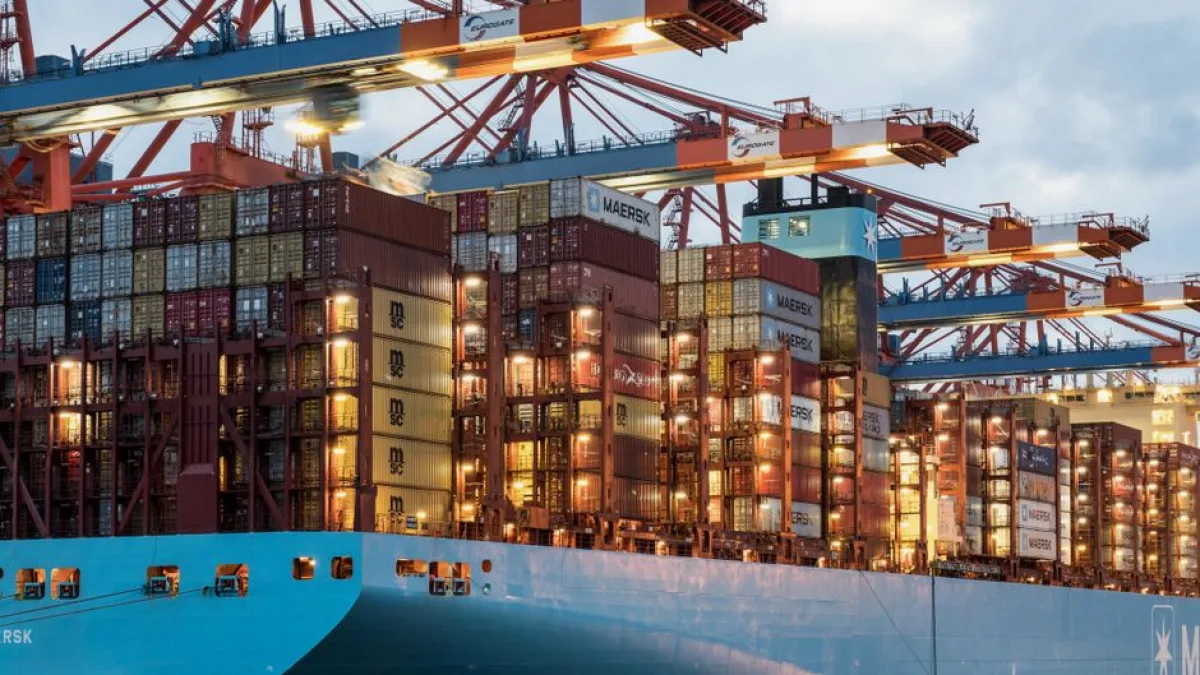
True visibility provides a significant competitive advantage in the volatile world of freight forwarding. Providing your clients with accurate and live tracking updates helps build trust, reduces incoming status inquiries, and empowers all stakeholders to make informed decisions based on current transit data.
- Live tracking integration: Connect your platform directly with carrier APIs to receive automatic status updates, ensuring that both you and your clients have constant access to precise shipment locations.
- Proactive delay alerts: Configure automated notification systems that trigger immediate alerts when a shipment deviates from its planned schedule, allowing you to manage client expectations before complaints arise.
- Customer facing portals: Provide clients with a branded portal where they can view their shipment status, history, and key documents without needing to contact your team for manual status updates.
- Predictive analytics use: Analyze historical shipment data to identify common transit delays or carrier performance issues, enabling you to optimize routing choices for future business and client satisfaction.
- Enhanced reporting tools: Generate comprehensive performance reports that showcase your reliability, which serves as a powerful marketing asset when pitching to new clients or negotiating annual shipping volume contracts.
Visibility serves as the backbone of excellent customer service in the logistics industry. When you offer clear insight into the supply chain, you effectively lower the anxiety of your clients while reducing the labor-intensive workload of your customer service team. This technology-driven approach ensures that transparency is a default feature of your service rather than a time-consuming exception that requires constant human intervention.
Streamlining Financial Management Processes

Financial management remains one of the most complex areas of freight forwarding due to fluctuating currency rates and intricate invoicing structures. Integrating your financial systems with your operations platform ensures that billing is accurate, disputes are minimized, and cash flow remains healthy throughout the entire business cycle.
- Instant invoice generation: Trigger professional invoices automatically as soon as a shipment reaches a specific milestone, which reduces the time between service delivery and final payment collection cycles.
- Currency management tools: Utilize software that handles multi-currency invoicing and exchange rate fluctuations automatically, preventing potential losses that occur when calculations are performed manually or with outdated reference tables.
- Cost monitoring features: Track every expense associated with a specific shipment in real time to ensure that your margins remain protected against unexpected carrier surcharges or port fee changes.
- Seamless accounting sync: Integrate your logistics software directly with accounting platforms like Xero or QuickBooks to eliminate the need for double entry and maintain perfect financial record alignment.
- Payment status tracking: Monitor the lifecycle of every invoice from issuance to reconciliation, allowing you to identify overdue accounts quickly and implement automated reminders to keep your cash flowing.
Precise financial management is the cornerstone of a profitable freight forwarding business. When you leverage digital tools to unify your operational and accounting data, you gain a clear view of your company performance. This integration eliminates the risk of missed revenue and ensures your accounting team is not burdened with manual reconciliation, allowing your business to scale operations without increasing your administrative overhead.
Building Stronger Carrier Relationships

Long-term success in logistics depends heavily on the strength of your carrier partnerships. By using digital platforms to communicate and manage performance data, you can negotiate better rates, secure priority space during peak seasons, and ensure that your clients receive the highest level of service through your trusted network.
- Digital rate procurement: Use your platform to request quotes from multiple carriers simultaneously, which helps you compare pricing structures and find the most cost-effective solutions for your clients instantly.
- Performance scorecards usage: Track and analyze carrier performance metrics like on-time delivery and damage rates to ensure that your preferred partners are consistently meeting the high standards you require.
- Simplified booking workflows: Replace slow manual booking processes with digital requests that include all necessary details, leading to faster responses and reduced risk of errors in your carrier communications.
- Transparent communication channels: Maintain a centralized log of all communications with your carrier representatives to avoid misunderstandings and ensure that everyone is aligned on critical shipment requirements or changes.
- Collaborative network growth: Share non-sensitive operational data with key partners to foster a collaborative environment, which often leads to shared growth opportunities and improved service reliability for your end users.
Cultivating robust relationships with carriers transforms them from simple service providers into strategic partners. When you treat your carrier network with professional rigor and data-backed insights, you gain access to better support and more flexible service options. This partnership approach ensures that your logistics chain remains resilient, enabling you to handle unexpected challenges with ease while maintaining excellent service quality for your shipping customers.
Conclusion

Modernizing your freight forwarding business is a journey that requires the right software and a commitment to digital excellence. By prioritizing automation, visibility, and financial clarity, you position your firm to thrive in a competitive market. Start by auditing your current manual processes to identify the biggest bottlenecks. Implementing the right cloud tools today will secure your operational efficiency for many years to come.