Optimizing Freight Forwarding Finance: A Guide to Billing Efficiency
Tuesday, September 22 2026

Managing the financial lifecycle of complex international shipments requires precision, transparency, and speed. Freight forwarders often face the daunting task of reconciling multi-currency invoices, managing carrier debt, and ensuring that local charges are billed to the correct parties without delay. As global trade volumes fluctuate, your ability to maintain a healthy cash flow depends on modernizing your back-office operations through cloud-based digital solutions. By automating routine accounting tasks and centralizing your billing data, you can reduce human error, shorten payment cycles, and reclaim valuable time that your team can reinvest into delivering superior client service and expanding your logistics network.
Mastering Automated Invoicing Workflows

Manual data entry is a significant drain on productivity and often leads to costly discrepancies in freight billing. Moving toward an automated system allows you to capture shipment details and generate accurate client invoices instantly upon proof of delivery, ensuring that your company gets paid faster.
- Eliminate manual errors: Automating the transfer of shipment data into your financial module ensures that every billable unit is accounted for, preventing revenue leakage and costly credit memo processes.
- Accelerate payment cycles: Digital invoicing platforms trigger instant notifications to customers, significantly reducing the waiting time associated with paper-based systems and improving your overall business cash flow.
- Customized billing templates: Configure your system to generate professional invoices that match specific client requirements, ensuring compliance and reducing queries from accounts payable departments at your client organizations.
- Real-time status tracking: Connect your billing module to live shipment milestones so that invoices are only generated when specific documentation requirements are met by your logistics operations team.
Adopting automated workflows transforms your finance department from a reactive team into a strategic asset. When the invoicing process is integrated directly with your freight management operations, the risk of miscommunication disappears. This level of consistency helps maintain strong relationships with your customers, who appreciate the accuracy and transparency of the digital records they receive, ultimately setting your agency apart from traditional competitors.
Optimizing Multi-Currency Financial Management

Managing global shipments frequently involves dealing with diverse currencies and volatile exchange rates. For freight forwarders, failing to track these fluctuations correctly can lead to significant profit erosion and accounting headaches during the reconciliation phase of international logistics operations.
- Dynamic rate integration: Modern cloud platforms sync with live banking feeds to apply accurate daily exchange rates, ensuring that your multi-currency invoices reflect current market conditions and profits.
- Consolidated financial reporting: Aggregate revenue data from various international branches into a single dashboard to gain a comprehensive view of your global business health and performance.
- Tax compliance automation: Automatically apply local tax regulations and customs fees based on the origin and destination of the cargo, reducing the burden on your accounting staff.
- Simplified currency hedging: Use historical data insights from your software to predict future currency trends, allowing your management team to make informed decisions regarding carrier contract negotiations.
Precision in currency management is essential for maintaining healthy margins in the international freight industry. By removing the guesswork from exchange rate calculations, your finance team can focus on analyzing profitability across different trade lanes. This proactive approach ensures that your pricing strategy remains competitive while safeguarding your company against the financial risks associated with the constant volatility of global foreign currency markets.
Streamlining Carrier Reconciliation Processes
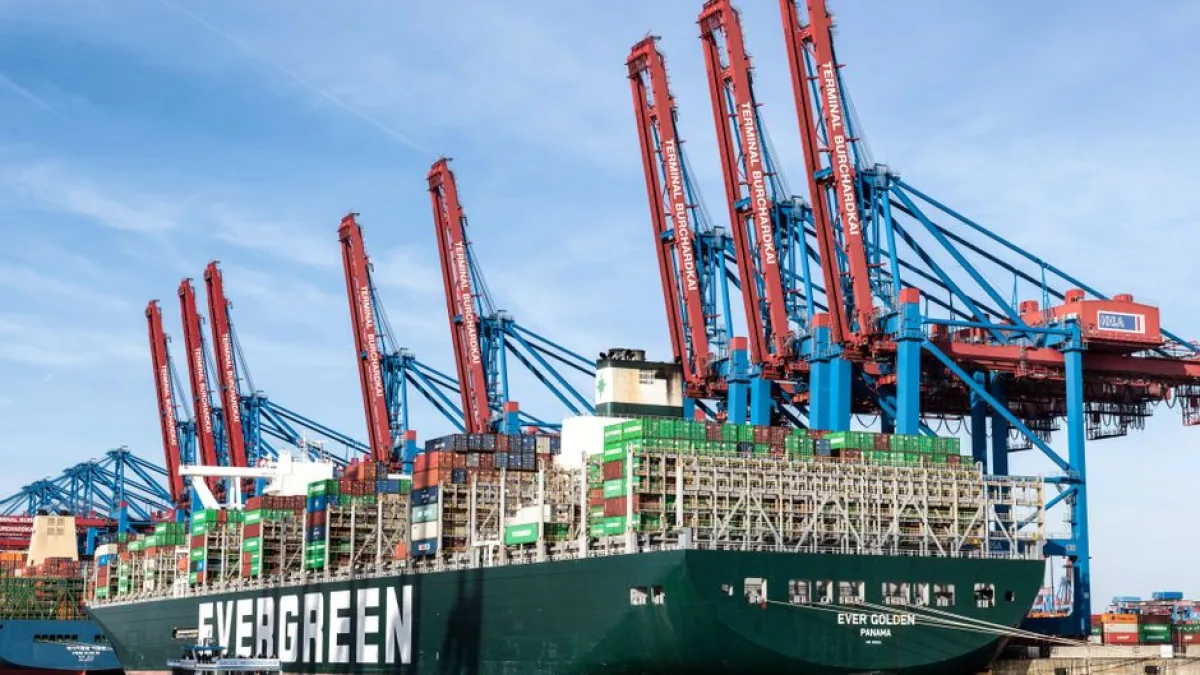
Reconciling vendor invoices against your own service agreements is a tedious but vital part of maintaining profitable operations. Without a structured digital approach, you may find that carrier surcharges or unexpected detention fees go unnoticed, directly impacting your bottom line significantly over time.
- Automated audit checks: Systems automatically flag discrepancies between the quote provided by the carrier and the final invoice received, preventing overpayments and unnecessary manual intervention during the month.
- Centralized vendor portal: Provide carriers with a secure interface to upload their electronic invoices directly, which accelerates the approval process and ensures all required documentation is attached correctly.
- Detention management tracking: Monitor free time and detention charges by linking your software to real-time status updates, ensuring you bill your customers for all applicable container rental penalties.
- Improved vendor relations: Promptly paying your carrier partners through efficient billing systems builds trust, often leading to better service quality and preferred rates for your future freight forwarding projects.
Effective reconciliation is the backbone of financial integrity for any logistics business. When you ensure that every incoming carrier bill matches the actual services performed, you maximize your profit margins and maintain healthy vendor relationships. Automating this verification process saves your team countless hours each month, allowing them to focus on resolving disputes and finding more efficient routing options for your valued customers.
Leveraging Data for Financial Forecasting

Your historical billing data contains the key to your future growth and success in a competitive market. By analyzing trends in client payment behavior and lane profitability, you can make data-driven decisions that will propel your freight forwarding business forward.
- Predictive cash flow: Analyze past payment patterns to accurately forecast your future cash availability, helping your leadership team plan for expansion or investments in new technology systems.
- Client profitability insights: Identify which customers provide the highest margins and which require high administrative costs, allowing you to optimize your sales efforts and resources efficiently.
- Route performance analysis: Assess the financial health of every trade lane by correlating shipping volumes with net revenue, ensuring you prioritize the routes that drive true growth.
- Strategic budget planning: Utilize detailed reports generated by your software to set realistic financial goals and track your progress throughout the fiscal year with high accuracy.
Data is the most powerful tool available to modern freight forwarders who want to dominate their markets. When you can see the clear financial impact of every operational decision, you eliminate guesswork and start managing your company with absolute confidence. Regularly reviewing these insights ensures that you remain agile, allowing you to pivot your strategies whenever market conditions or client demands shift drastically.
Conclusion

Modernizing your financial operations through cloud-based software is no longer optional for forward-thinking freight forwarders. By automating your invoicing, mastering currency management, and utilizing data for strategic decisions, you build a resilient business ready for global growth. Start streamlining your finance and billing processes today to increase efficiency, reduce costs, and provide the transparent, reliable service that your clients expect in today's fast-paced logistics market.