Optimizing Freight Forwarding Finance and Billing Operations
Thursday, October 1 2026

Modern freight forwarding relies heavily on the accuracy and speed of financial operations to maintain healthy cash flow in a competitive global market. As supply chain complexities increase, traditional manual billing processes often lead to errors, delays, and lost revenue opportunities for logistics providers. By integrating cloud based platforms like MakeCargo, forwarders can automate invoicing and reconciliation, ensuring that every shipment is accounted for correctly. Adopting digital financial workflows is no longer just an optional efficiency improvement, it is a fundamental requirement for forwarders aiming to scale their operations and maintain profitability in the current logistics landscape.
Streamlining Invoice Management

Managing a high volume of supplier and customer invoices requires precision to avoid costly financial discrepancies. Automated tools consolidate billing data, reducing manual entry errors and ensuring that every charge is accurately documented before reaching the client or financial partner.
- Centralized Document Storage: Securely archive all shipping documents within a unified digital repository, allowing your finance team to retrieve critical billing records instantly without searching through endless physical paper files.
- Automated Data Capture: Utilize optical character recognition software to extract essential figures from incoming vendor invoices, significantly minimizing human error while accelerating the entire accounts payable and receivable processing cycle.
- Customizable Billing Templates: Design professional invoices that reflect your brand identity while including all necessary shipping details, tax requirements, and payment terms to ensure prompt settlement by your global clients.
- Instant Currency Conversion: Handle multi-currency transactions with built-in conversion tools that update exchange rates in real time, protecting your profit margins from unexpected fluctuations during volatile global market conditions.
- Real-time Approval Workflows: Implement structured approval processes that notify managers immediately when an invoice exceeds a certain threshold, ensuring that financial oversight remains tight and transparent across your logistics organization.
By shifting to an automated invoice system, your team can refocus their time on higher value activities rather than correcting billing mistakes. These digital tools provide a clear audit trail that improves compliance and strengthens relationships with carriers and clients alike. When billing processes function as a cohesive unit, the entire business moves faster, allowing you to react quickly to shifting market demands and growth opportunities.
Enhancing Cash Flow Transparency
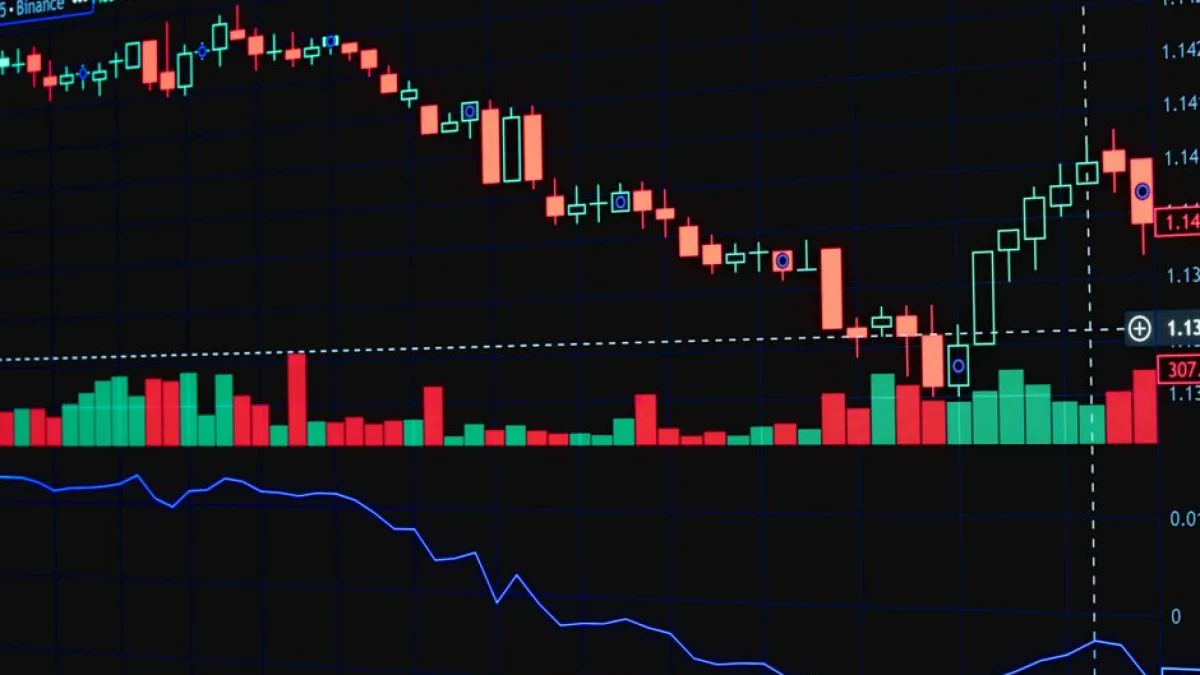
Visibility into incoming and outgoing cash flows is critical for maintaining stable operational health. Real time dashboards provide instant access to pending payments, aging reports, and upcoming expenditures, helping leadership teams make informed financial decisions based on accurate data.
- Detailed Aging Reports: Monitor outstanding balances with comprehensive reports that highlight overdue payments, enabling your collections team to take swift action and keep capital moving through your business accounts.
- Interactive Financial Dashboards: Access visual representations of your company fiscal performance, allowing you to identify trends in revenue and expenses that might otherwise remain hidden within raw numerical spreadsheets.
- Automated Payment Reminders: Schedule personalized email alerts for clients with nearing payment deadlines, which helps to maintain consistent cash flow while preserving professional relationships through automated and polite communication.
- Integration With Accounting: Sync your logistics software directly with external accounting programs to eliminate double entry tasks, ensuring that your financial records are always accurate and ready for tax.
- Forecasting Revenue Trends: Use historical shipment data to predict future earnings, helping you allocate resources efficiently and plan for seasonal shifts in freight volume throughout the calendar year.
Achieving total transparency requires a commitment to digital tools that provide reliable insights at every level of the organization. When financial data is visible, teams can identify bottlenecks before they impact your ability to pay vendors or invest in expansion. This level of clarity empowers forwarders to maintain steady growth, even when navigating the complexities of international trade and complex global supply chains.
Improving Vendor Reconciliation Processes

Reconciling vendor invoices against actual shipment costs is a primary source of frustration for many logistics finance departments. Effective reconciliation systems cross reference carrier rates with original quotes and bill of lading details to ensure you never overpay for logistics services.
- Quote Versus Cost: Automatically compare vendor invoice totals against initial freight quotations to identify discrepancies, ensuring that your company is billed only for the services that were actually performed.
- Exception Handling Alerts: Receive immediate notifications when an invoice amount deviates from the expected cost, allowing staff to investigate and resolve billing disputes before approving payment to carriers.
- Automated Cost Allocation: Distribute costs across different shipment segments automatically, providing an accurate view of profit margins per lane or customer account with minimal manual effort from your staff.
- Carrier Portal Integration: Connect directly with your network of logistics partners to receive electronic invoices, which speeds up the validation process and ensures data integrity throughout the entire chain.
- Historical Cost Analysis: Review past carrier charges to negotiate better future rates, leveraging your own financial data as a powerful tool during contract discussions with local or global carriers.
Meticulous reconciliation is the backbone of cost control for any modern freight forwarder. By catching errors early, you prevent significant financial leakage that can erode your bottom line over time. Furthermore, accurate vendor payments build trust with your logistics partners, which often leads to better service levels and more competitive pricing terms during future negotiations. Maintaining this standard is essential for long-term viability.
Ensuring Financial Regulatory Compliance

Navigating the complex world of international trade requires strict adherence to various financial and tax regulations. Reliable billing software helps forwarders maintain compliant records by keeping up with local laws, international trade policies, and internal auditing requirements for every single transaction.
- Automated Tax Calculations: Configure your software to apply the correct tax rates for various jurisdictions, which reduces the risk of non-compliance when operating across multiple countries or different regional borders.
- Digital Audit Trails: Create immutable logs for every transaction that occurs in your system, providing investigators or internal auditors with clear, time-stamped evidence of how every financial decision was executed.
- Secure Data Encryption: Protect sensitive customer and financial information with high-level encryption standards, ensuring that your business meets data privacy regulations and prevents unauthorized access to critical corporate records.
- Standardized Financial Reporting: Generate reports that follow international accounting standards, which simplifies the process of preparing for yearly audits or securing financing from banking institutions for business expansion.
- Compliance Deadline Alerts: Set automated notifications for critical reporting dates, ensuring that your finance team never misses a statutory deadline regarding corporate taxes or international trade financial documentation requirements.
Regulatory compliance is a non-negotiable aspect of the logistics industry that requires constant vigilance and robust technical support. By utilizing a secure software platform, you transform compliance from a burdensome administrative task into a seamless part of your daily financial workflow. This proactive approach safeguards your company reputation and allows your team to operate with confidence in a global market that is increasingly scrutinized.
Conclusion

Adopting advanced financial and billing software allows freight forwarders to move past manual limitations and achieve true scalability. By automating invoices, improving cash flow visibility, and ensuring strict compliance, your firm can focus on delivering exceptional logistics services to your customers. MakeCargo is designed to support these critical functions, providing the digital foundation necessary to thrive and grow in an evolving industry.