Optimizing Freight Forwarding Finance and Billing Processes
Sunday, October 18 2026

The financial backbone of any successful freight forwarding operation relies on precision, speed, and transparency. Managing complex international invoices while balancing fluctuating currency rates and carrier costs can quickly overwhelm traditional accounting methods. As margins in logistics continue to tighten, forwarders must adopt cloud-based solutions to automate billing workflows and minimize manual entry errors. By centralizing financial data, logistics providers gain the visibility needed to track profitability per shipment in real time. This proactive approach to cash flow management not only enhances client trust but also empowers your team to focus on strategic growth rather than tedious reconciliations.
Automating Invoice Generation

Manual billing cycles represent a significant drain on productivity and lead to unnecessary administrative overhead for growing firms. Implementing automated invoicing systems allows forwarders to trigger billing documents based on shipment milestones, ensuring that your company gets paid faster and more reliably.
- Rapid document creation: Instantly generate accurate invoices by pulling shipment data directly from your logistics platform to eliminate the need for manual data entry and recurring human mistakes.
- Standardized billing templates: Utilize professional, pre-defined templates that ensure all regulatory and operational information is included consistently across every client communication for a streamlined, branded experience.
- Real time validation: Automatically cross-reference freight rates and surcharges against negotiated contracts to prevent overcharging or underbilling errors that frequently occur during complex global logistics transactions.
- Custom approval workflows: Implement structured internal processes where invoices are automatically routed to relevant departments for verification before they are dispatched to clients, ensuring absolute accuracy at all times.
Transitioning to an automated invoice system fundamentally changes how your finance team operates on a daily basis. By removing the burden of repetitive document creation, you free up your skilled staff to resolve complex disputes or manage higher value client accounts. This shift not only accelerates your cash flow cycles but also provides a professional interface that simplifies the payment process for all international partners.
Managing Currency Fluctuations

International logistics involves multiple currencies, making it difficult to maintain stable profit margins without dedicated tools. Tracking daily exchange rates and applying them correctly to freight quotes is essential for protecting your bottom line from unexpected market volatility shifts.
- Dynamic rate integration: Connect your billing platform to live financial feeds that update currency values in real time, ensuring that your quotes remain accurate throughout the logistics journey.
- Multi currency support: Seamlessly manage invoices in various currencies within a single dashboard to simplify the way you interact with global carriers and overseas shipping customers.
- Hedging risk protection: Analyze historic exchange data to identify periods of volatility, allowing your finance team to set better price buffers that protect against sudden and sharp currency dips.
- Automated conversion logs: Maintain a detailed audit trail of all exchange rates applied to every specific transaction to ensure full transparency during financial audits or client inquiries.
Proactive currency management is no longer optional for firms operating in the global trade arena today. By utilizing intelligent software to track these constant fluctuations, your company can offer competitive pricing without exposing your margins to unnecessary risk. These digital safeguards ensure that your financial reporting remains consistent, helping leadership make informed decisions based on accurate data rather than relying on educated guesswork.
Tracking Real Time Profitability
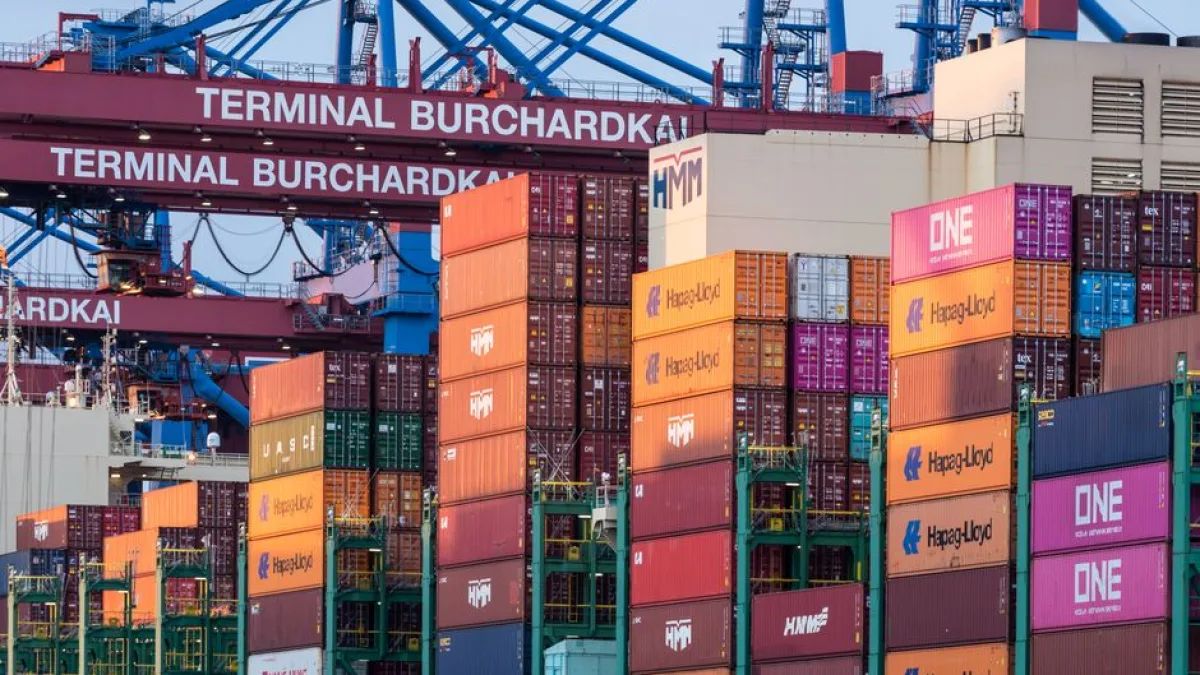
Understanding the true cost of each shipment is vital for long-term viability in the competitive freight industry. By tracking every expense from port fees to fuel surcharges in one location, you gain clarity on which routes and clients deliver value.
- Granular cost breakdown: Assign every expense to a specific shipment file to ensure that all overheads and carrier costs are accounted for before finalizing the financial report.
- Margin analysis tools: View instant insights into profit percentages for individual shipments, allowing your team to identify low margin accounts that may require immediate operational or pricing adjustments.
- Comparative reporting features: Contrast the projected costs against actual expenses to uncover operational inefficiencies that might be eroding your total potential earnings over a specific fiscal quarter.
- Supplier cost monitoring: Track carrier spending patterns to negotiate better rates based on your actual shipping volumes, turning your financial data into a powerful tool for procurement.
The ability to drill down into shipment level profitability provides a clear picture of your company health that simple spreadsheets simply cannot match. When you understand the specific drivers behind your profit margins, you can make surgical improvements to your service offerings. This data-driven strategy ensures that your resources are allocated efficiently, allowing you to maximize returns while maintaining superior service standards for clients.
Streamlining Payment Collections

Late payments are a major bottleneck for freight forwarders who need to cover carrier costs immediately. Improving your collection process requires a combination of digital payment portals, timely reminders, and transparent communication to keep your cash flow healthy and stable.
- Digital payment integration: Offer clients the convenience of secure online payment gateways that support multiple credit cards and bank transfer methods, reducing the time spent on collections.
- Automated payment reminders: Configure your software to send gentle notification emails to clients before and after payment due dates, significantly reducing the occurrence of overdue invoices.
- Account aging insights: Access intuitive dashboards that display your outstanding receivables, helping your finance team identify and prioritize collection efforts for the most significant delayed balances.
- Client portal access: Provide customers with self-service access to their account history and pending invoices to foster transparency and speed up the dispute resolution process significantly.
Creating a frictionless payment experience is one of the most effective ways to improve your liquidity and overall operational efficiency. By leveraging modern technology to manage your accounts receivable, you reduce the time and energy spent chasing payments. This professional approach to collections improves client relations by providing them with the tools they need to pay easily while ensuring your revenue remains predictable.
Conclusion

Mastering the financial aspects of freight forwarding is the key to scaling your business in a complex global market. By automating invoices, tracking profitability, and optimizing your collections, you build a resilient foundation for future growth. Implement these digital strategies today to reduce your administrative burden and improve your bottom line. Choose MakeCargo to elevate your financial operations and achieve sustained success in logistics.