Optimizing Freight Forwarding Finance for Scalable Growth
Friday, September 11 2026

Freight forwarding is a capital-intensive industry where profit margins often hinge on the precision of financial operations. As global supply chains grow increasingly complex, forwarders must move beyond manual spreadsheets and legacy systems to maintain liquidity. Effective billing cycles, real-time currency management, and transparent invoicing are no longer just administrative tasks, but core drivers of competitive advantage. By leveraging modern cloud-based software, professionals can eliminate manual errors, accelerate cash flow, and gain a holistic view of their financial health. This guide explores how digitizing your finance department empowers your team to focus on strategic growth rather than basic accounting.
Automating Billing Workflows

Manual billing processes frequently lead to delays that disrupt your cash flow and frustrate clients. Automating these workflows ensures that invoices are generated accurately the moment a shipment milestone is reached, significantly reducing the administrative burden on your finance team.
- Rapid Invoice Generation: Automatically pull data from your logistics operations module to create professional invoices instantly, eliminating the need for manual data entry and reducing common human accounting errors.
- Client Payment Portals: Provide your customers with a secure self-service portal where they can view pending invoices, download documentation, and complete payments online using various integrated digital methods.
- Automated Payment Reminders: Set up smart triggers that send professional follow-up emails to clients as due dates approach, ensuring your accounts receivable remain healthy without constant manual effort.
- Real-Time Tax Compliance: Integrate automated tax engines that calculate local and international levies based on the specific shipping route and cargo type, ensuring full compliance for every transaction.
By removing the friction of manual invoice creation and distribution, your business can significantly shorten its Days Sales Outstanding. Streamlined billing is the foundation of a healthy financial structure, allowing your cash to circulate faster within the company. When systems handle the repetitive tasks, your staff is free to manage client relationships and resolve complex disputes that require a personal, human touch.
Managing Currency Volatility

Operating across international borders subjects your company to constant currency fluctuations that threaten profit margins. Proactive financial management tools provide the visibility needed to track exchange rates and implement hedging strategies that protect your bottom line from unexpected losses.
- Live Rate Integration: Connect your software to global financial feeds to pull live exchange rates, allowing you to quote customers with confidence while minimizing the risk of currency slippage.
- Multi-Currency Ledgers: Maintain detailed financial records in various currencies simultaneously, which provides a clear picture of profit and loss across different international trade lanes and shipping corridors.
- Predictive Currency Analytics: Use data visualization tools to identify historical trends in currency behavior, helping your team make informed decisions about when to invoice or settle international payments.
- Automated Profit Calculation: Instantly convert costs and revenues into your reporting currency to ensure that your margins remain protected regardless of which currency is used for the transaction.
Handling international finance requires more than just a calculator, as small fluctuations can erase your hard-earned profits during a long voyage. Having a cloud platform that updates rates in real-time allows your team to mitigate risks before they impact your quarterly performance. This proactive stance on currency volatility ensures that your pricing strategy remains robust against global economic shifts and changing trade dynamics.
Transparency in Cost Control
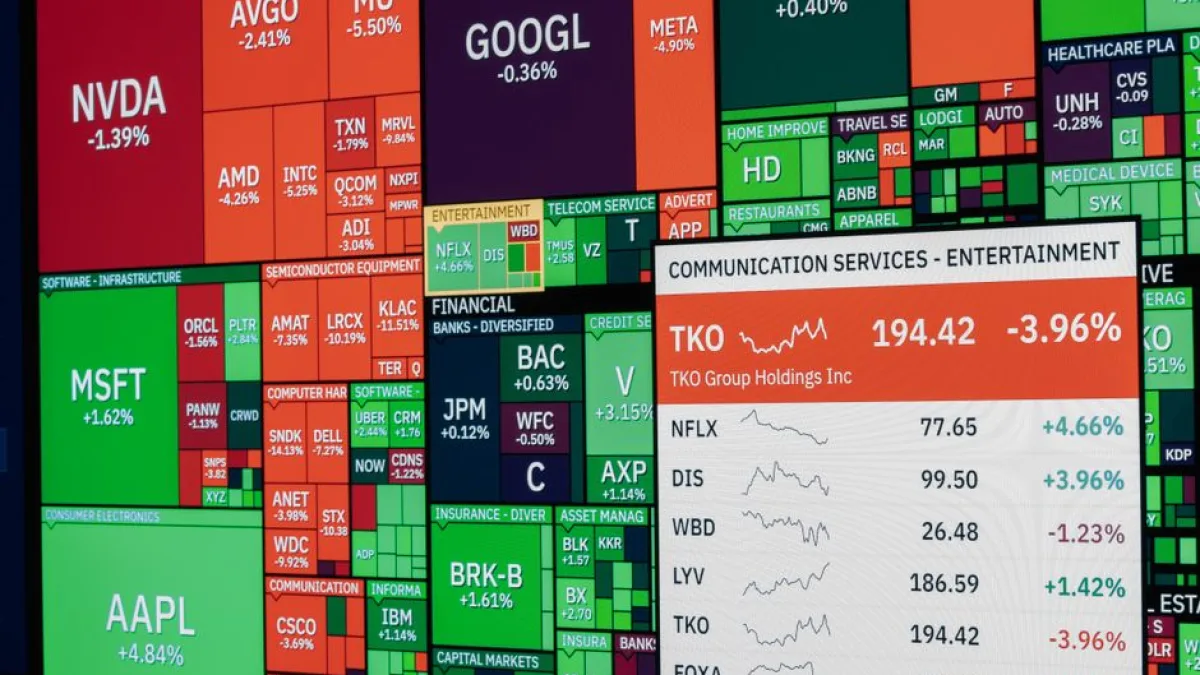
Hidden costs are the primary enemy of profit in freight forwarding, often appearing as unexpected surcharges or unbilled vendor expenses. Implementing comprehensive cost control measures allows your organization to track every penny spent during the shipping process, ensuring total financial clarity.
- Vendor Cost Tracking: Consolidate all carrier and service provider invoices within a single interface, making it easy to identify discrepancies between quoted costs and the actual final billing.
- Expense Approval Cycles: Create structured digital approval workflows for all operational expenses, ensuring that no cost is finalized without the necessary oversight from your senior management team.
- Granular Profit Reporting: Drill down into individual shipment files to analyze the profitability of specific trade lanes or clients, identifying exactly where your business earns the most.
- Real-Time Margin Monitoring: View live dashboards that show current profit margins across your entire operation, allowing managers to intervene quickly if a specific shipment begins to lose money.
Maintaining a clear view of your financial health is critical for long-term sustainability in the logistics sector. When you have full transparency into every cost center, you can make data-driven decisions that cut waste and improve efficiency. This level of oversight turns your finance department into a strategic partner, providing the insights needed to negotiate better rates and improve your operational performance.
Integrating Financial Data Streams

Siloed data is a major bottleneck that prevents freight forwarders from achieving total operational excellence. Integrating your financial data with core logistics software ensures that information flows seamlessly across the organization, providing a single version of truth for everyone.
- Unified ERP Connectivity: Link your freight forwarding platform directly to your accounting software to ensure that all financial data is synchronized without any manual data export processes.
- Automated Bank Reconciliation: Connect your bank accounts directly to your financial management system to automatically match incoming payments to specific client invoices, saving hours of effort.
- Custom Financial Reporting: Build bespoke reports that combine operational metrics, such as TEUs moved, with financial outcomes, giving you the power to correlate performance with revenue results.
- Scalable Data Storage: Utilize secure cloud infrastructure that grows with your transaction volume, ensuring your financial records remain accessible and organized regardless of your company size.
Breaking down the walls between operations and finance allows your company to function as a cohesive unit. When your team accesses shared data, they can identify bottlenecks in the supply chain that directly correlate to increased financial costs. This unified approach not only saves time but also improves decision-making speed, keeping your freight forwarding business agile and responsive in a demanding global market.
Conclusion

Transforming your financial operations is the most effective way to secure the long-term success of your freight forwarding business. By embracing automation, managing currency risks, and ensuring total visibility across all departments, you can turn your finance function into a powerful engine for growth. Start refining your digital strategy today to gain a significant advantage in an increasingly competitive global logistics landscape.