Optimizing Freight Forwarding Finance for Scalable Growth
Sunday, September 6 2026

Freight forwarding is an industry defined by its complexity, where financial operations often lag behind the physical movement of goods. As margins tighten and global supply chains face unprecedented volatility, forwarders must modernize their billing and collection processes to maintain healthy cash flow. Manual data entry and siloed accounting systems frequently lead to errors, delayed invoices, and lost revenue opportunities. By adopting cloud-based financial automation, firms can transform their billing departments from cost centers into strategic engines of growth. Mastering these fiscal workflows is essential for any modern logistics provider aiming to achieve sustained profitability in an increasingly competitive global marketplace.
Streamlining Invoicing Cycles
Efficient invoicing is the backbone of any successful freight forwarding firm, yet many still rely on outdated manual systems. Automating your billing ensures accuracy, reduces human error, and speeds up the time it takes to get paid by your customers.
- Automated Invoice Generation: Automatically pull data from your shipment records to generate accurate invoices instantly, reducing manual workload and ensuring that no billable charges are missed in the process.
- Real-time Data Integration: Connect your financial modules directly to your operational software to ensure that every cost incurred during the shipping lifecycle is captured and billed correctly.
- Error Reduction Strategies: Implement automated validation checks to catch inconsistencies in rates or weight calculations before an invoice is sent, preventing disputes and long payment delay cycles for clients.
- Faster Payment Processing: Utilize digital payment gateways to offer your customers seamless ways to settle their balances immediately, which significantly improves your overall business cash flow performance.
By shifting your focus to an automated invoicing architecture, you eliminate the friction that causes long payment delays. These workflows empower your finance team to prioritize high-level analysis over routine data entry. Ultimately, this leads to a more predictable financial outlook, allowing leadership to make data-driven decisions that foster expansion while maintaining the robust balance sheet required for modern logistics operations.
Improving Cash Flow Visibility
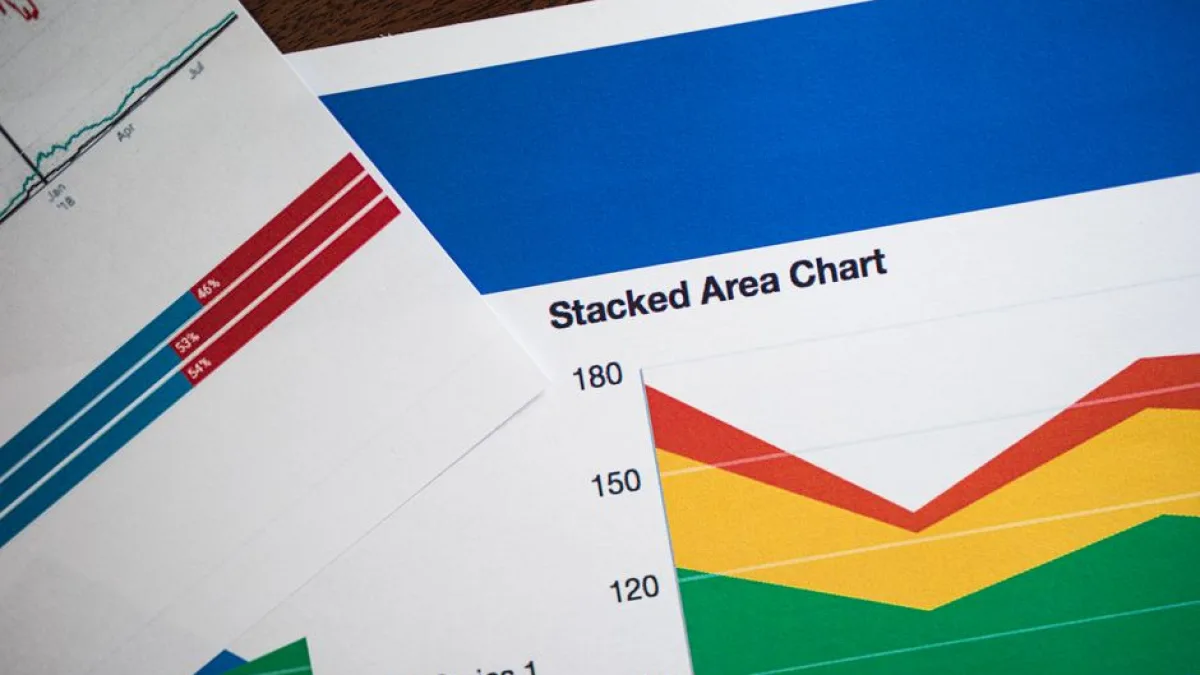
Achieving total clarity on your financial health requires real-time access to key performance metrics. When your billing platform integrates with operations, you gain a clear view of outstanding receivables, current operational costs, and overall profit margins for every shipment.
- Real-time Dashboard Monitoring: Track your daily financial health using intuitive dashboards that display pending payments and total revenue across all your active global shipping lanes or projects.
- Cash Flow Forecasting: Analyze historical data patterns to predict future liquidity requirements, helping your firm prepare for seasonal fluctuations or unexpected market shifts in the shipping industry.
- Aging Report Management: Gain clear visibility into your outstanding invoices to identify problematic accounts quickly, allowing your team to take proactive steps to ensure timely collection efforts.
- Multi-currency Support Tools: Manage complex international transactions with ease by utilizing built-in currency conversion features that keep your financial records accurate regardless of the global market fluctuations.
Visibility serves as the foundation for any successful fiscal strategy in logistics. When managers have access to granular data, they can identify unprofitable lanes or clients that may be impacting the bottom line. This level of insight enables a proactive approach to billing management, ensuring that your firm remains agile and prepared to handle the financial demands of global freight operations.
Managing Supplier Payments Efficiently
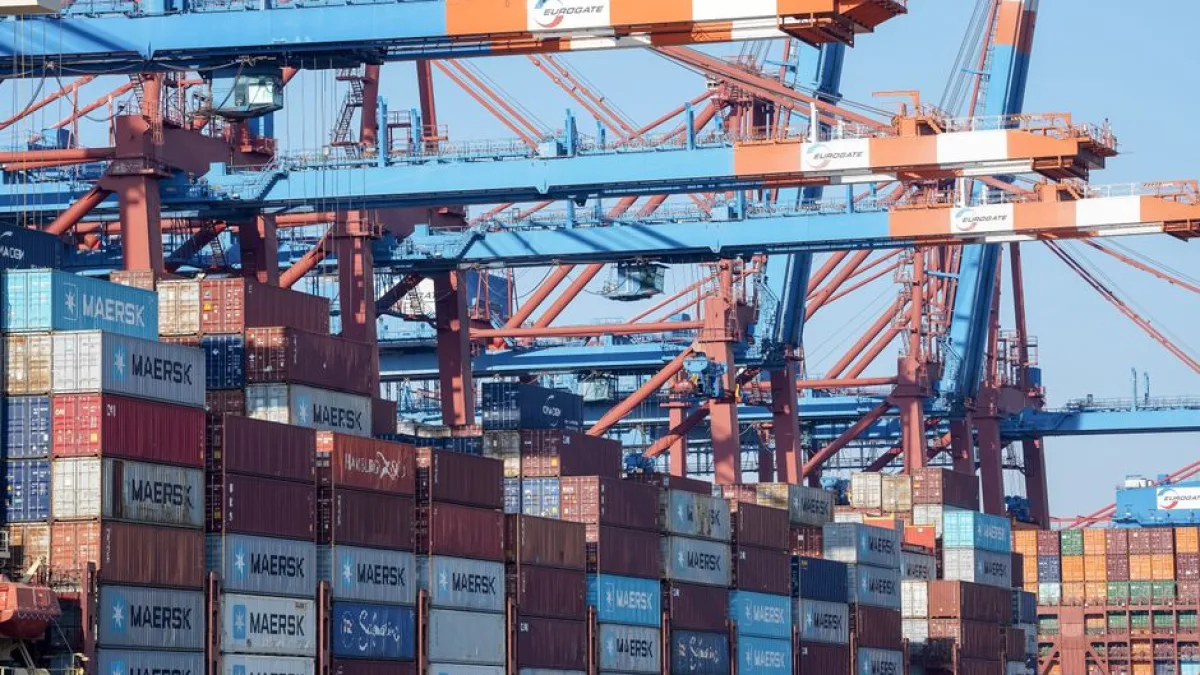
Maintaining strong relationships with carriers and vendors requires timely payments and transparent communication. A robust financial platform automates the verification of supplier invoices against original bookings, ensuring you only pay for services that were actually performed during transit.
- Automated Invoice Verification: Cross-reference carrier invoices with your internal booking data to confirm rates and services match exactly, which prevents overpayment and unauthorized charges from impacting your margins.
- Simplified Reconciliation Processes: Use automated tools to match incoming carrier invoices to existing shipment files, saving your accounting team hours of tedious manual data reconciliation every single week.
- Vendor Relationship Management: Ensure that your valued partners are paid consistently and on time, which fosters long term trust and may lead to better negotiated freight rates.
- Audit Trail Integrity: Maintain a secure and searchable digital history of all supplier transactions, providing full transparency for internal audits and improving your overall business regulatory compliance.
When you automate the verification of supplier costs, you significantly reduce the risk of financial leakage. By streamlining how you pay your partners, you ensure that your procurement operations remain efficient and professional. This focus on accuracy not only protects your profitability but also builds the vendor credibility necessary to secure reliable capacity when market demand spikes unexpectedly across the global trade routes.
Mitigating Financial Risk Exposure

Freight forwarding involves significant risk, from currency fluctuations to unpredictable payment defaults. Implementing strong financial controls is necessary to protect your firm against these variables, ensuring your capital remains secure while you continue to scale your logistics services globally.
- Credit Risk Assessment: Incorporate automated tools to evaluate the creditworthiness of new clients before finalizing contracts, significantly lowering the potential for bad debt on your company balance sheet.
- Dynamic Pricing Control: Protect your margins by setting automated thresholds for rate changes, ensuring that your sales team never quotes prices below the cost of service delivery.
- Automated Currency Hedging: Use intelligent software features to mitigate risks associated with volatile exchange rates, preserving your profit margins throughout the life of complex international shipping agreements.
- Dispute Resolution Workflows: Standardize how you handle billing disputes with clear documentation and automated follow-ups to resolve issues faster and minimize the impact on your operational cash flow.
Effective risk mitigation requires a proactive posture rather than a reactive one. By building guardrails into your billing software, you protect your company from common financial pitfalls that often derail growth in the logistics sector. These protections allow your team to focus on serving customers with confidence, knowing that your financial backend is robust, secure, and ready for the challenges of global trade.
Conclusion

Adopting an integrated approach to financial management is no longer optional for forwarders. By automating your invoicing, enhancing visibility, and managing risks effectively, you lay the groundwork for long term success. Modern cloud software helps turn your finance department into a strategic partner for growth. Start optimizing your billing workflows today to stay ahead of the competition and maximize your total operational profitability.