Optimizing Freight Forwarding Finances for Better Cash Flow
Thursday, July 23 2026

Freight forwarders often struggle with the complex financial demands of global logistics. Between managing currency fluctuations, unpredictable carrier surcharges, and the persistent pressure to maintain healthy cash flow, the back office can become a bottleneck. As margins tighten across the industry, manual billing processes and fragmented accounting systems are no longer sustainable for competitive firms. By embracing digital transformation and integrating automated billing workflows, forwarders can reclaim lost time, reduce costly human errors, and provide a superior experience for their global clients. This transition is essential for those looking to scale operations while maintaining complete financial clarity and operational control.
Automated Invoicing Systems

Modern automation allows forwarders to generate and send invoices the moment cargo milestones are reached. This speed ensures that billing remains synchronized with operational progress, minimizing the time between delivering service and receiving payment from clients for logistics activities.
- Real-time data synchronization: Our platform ensures that every shipment detail flows directly into your billing module to prevent data entry errors and accelerate the invoice generation process for your team.
- Customizable billing templates: Professional invoices allow you to present a polished brand image while clearly detailing every service charge, tax, and currency conversion for total transparency during client review.
- Automated payment reminders: Reduce your days sales outstanding by setting up automated triggers that remind clients of pending invoices, ensuring your cash flow remains consistent and predictable every month.
- Instant currency conversion: Handle international transactions effortlessly with automated exchange rate calculations that keep your accounting books accurate even when dealing with multiple global currencies and changing markets.
By moving away from manual spreadsheets, your team gains hours back each week. This shift reduces the risk of missed billable items while simultaneously improving client satisfaction through accurate and timely financial communication. Relying on intelligent software ensures your accounting department functions as a strategic asset, providing actionable insights that help leadership make better decisions regarding pricing, carrier relationships, and long-term financial growth strategies.
Managing Carrier Costs Effectively
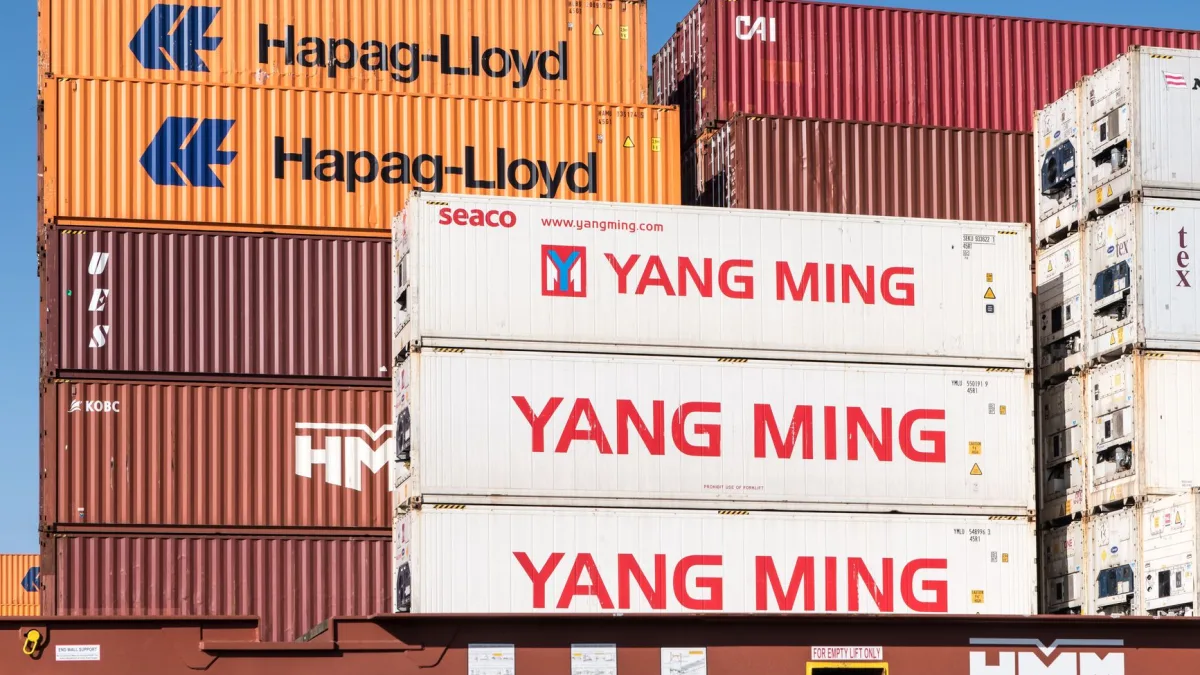
Monitoring carrier invoices against initial quotations is vital for protecting profit margins. Discrepancies often emerge during the shipping process, making it necessary to audit every single cost to ensure you are not overpaying for freight and ancillary services.
- Automatic cost auditing: Cross-check carrier invoices against original booking data instantly to identify variances and prevent overcharges that can quietly erode your profitability on every single managed shipment.
- Expense tracking modules: Categorize every shipping expense to understand your cost drivers better, allowing you to negotiate smarter rates with your carrier partners based on actual historical data.
- Unified platform visibility: Consolidate all financial data into one central location to eliminate data silos and provide your finance team with a clear picture of total operational costs.
- Dispute management workflows: Resolve cost discrepancies faster by using a structured digital process that logs evidence and communications for every challenged charge, leading to quicker carrier credits and reconciliations.
Effective cost control differentiates successful forwarders from those barely breaking even. When you gain visibility into hidden charges, you can adjust your own pricing models to reflect reality. This systematic approach to expense management builds stronger partnerships with carriers, as disputes are handled professionally and quickly. Consistent auditing ensures your business maintains its competitive edge, keeping your bottom line healthy in a volatile market.
Improving Cash Flow Management

Healthy cash flow is the lifeblood of any logistics business. When payments are delayed or billing is inaccurate, the entire supply chain becomes fragile, limiting your ability to invest in new technology, talent, or infrastructure improvements.
- Predictive cash forecasting: Utilize advanced financial reporting tools to project upcoming revenue based on current shipments, allowing you to plan your operational expenses with much higher precision and confidence.
- Integrated payment portals: Offer your clients convenient online payment options that reduce friction in the settlement process and significantly shorten your typical cash collection cycles for every invoice.
- Detailed accounts receivable: Keep a close watch on aging reports with intuitive dashboards that highlight overdue accounts, enabling your team to prioritize collection efforts effectively and avoid bad debts.
- Optimized credit terms: Analyze historical client payment patterns to determine which customers deserve extended credit terms and which should be kept on strict payment schedules for business safety.
Optimizing your cash flow involves more than just collecting payments on time. It requires a proactive stance toward financial health, where data informs your credit policies and operational investments. By focusing on these core elements, you transform your finance department into a powerhouse of efficiency. Consistent cash flow enables the agility required to survive market shifts and thrive amidst intense global competition.
Reporting and Financial Analytics

Data-driven decisions require robust reporting capabilities. Without access to real-time financial insights, it is nearly impossible to identify which trade lanes are the most profitable or which clients are actually contributing to your business stability and growth.
- Customizable profit reports: Generate detailed reports at the shipment or lane level to evaluate performance against targets and identify the most profitable areas of your global business operations.
- Operational performance metrics: Track key performance indicators like net profit per container or invoice turnaround time to understand exactly how effectively your team is managing day-to-day logistics billing.
- Visual data dashboards: Simplify complex financial information into easy-to-read charts that highlight trends, allowing stakeholders to grasp the financial state of the company without digging through dense spreadsheets.
- Exportable financial data: Seamlessly move your cleaned and audited data into third-party accounting systems for simplified end of month closing and tax preparation without manual data manipulation tasks.
Advanced analytics empower your leadership team to move beyond gut feelings. With clear visibility into your financial performance, you can confidently prune unprofitable lanes or double down on high-growth opportunities. This strategic clarity is what separates industry leaders from the rest. Leverage these powerful analytical tools today to build a smarter, more resilient freight forwarding business that is ready for future expansion.
Conclusion

Streamlining your financial processes is the key to sustainable growth in the freight forwarding industry. By adopting automated billing, rigorous cost auditing, and advanced analytical tools, you can ensure your business remains both agile and profitable. Start optimizing your financial workflows today to reduce administrative overhead and gain the insights needed for long-term success. MakeCargo provides the modern technology required to reach these goals.