Optimizing Freight Forwarding Finances for Maximum Profitability
Thursday, July 30 2026

Freight forwarding is a complex industry where margin control is essential for long-term sustainability. As global trade dynamics shift and operational costs fluctuate, forwarders must modernize their financial workflows to remain competitive. Relying on fragmented spreadsheets or outdated accounting systems often leads to hidden revenue leakage and delayed billing cycles. By embracing cloud-based financial management, logistics companies can gain real-time visibility into their cash flow, reduce administrative overhead, and ensure that every shipment contributes positively to the bottom line. This guide explores the critical financial pillars necessary for achieving operational excellence and scaling your freight business in today's fast-paced digital logistics environment.
Automating Your Billing Cycles
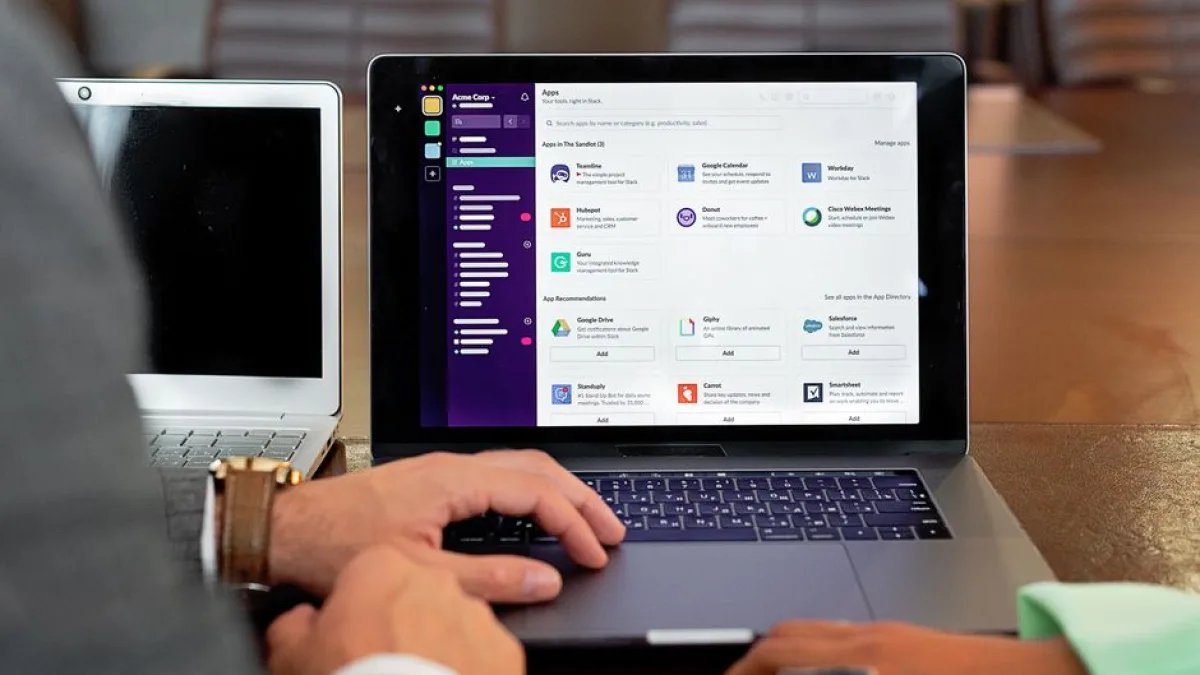
Automated billing systems transform how forwarders handle recurring invoices and complex carrier charges. By integrating financial modules directly into your shipment management platform, you eliminate manual data entry errors and accelerate the invoice-to-cash process significantly for all parties involved.
- Rapid Invoice Generation: Automatically generate professional invoices immediately upon shipment completion to ensure your accounting records remain perfectly synced with actual operational activities across your entire global network.
- Reduced Billing Errors: Eliminate manual input mistakes by pulling shipment data directly from booking files which ensures that all freight charges and surcharges are calculated with perfect accuracy.
- Faster Payment Processing: Provide your clients with secure online payment portals that allow for instant invoice settlement, significantly improving your company's average days sales outstanding and overall liquidity.
- Real Time Tracking: Monitor every outstanding invoice through a centralized dashboard that provides instant status updates on pending payments and alerts you when accounts become overdue for collection.
Transitioning to automated billing removes the bottleneck of manual processing and allows your finance team to focus on strategic growth rather than repetitive tasks. When your financial operations move at the speed of your logistics services, you gain a massive advantage over competitors. Modern cloud platforms ensure that invoices are dispatched accurately, leading to faster approvals, improved client relationships, and healthier cash flow margins.
Managing Complex Currency Fluctuations

Global freight operations involve constant interactions with diverse currencies, which poses significant risks to profitability. Effective management requires sophisticated tools that handle real-time conversion and hedging strategies to protect your margins from unpredictable market volatility and exchange rate shifts.
- Real Time Conversions: Utilize built-in currency conversion tools that update exchange rates automatically, allowing your team to quote and bill in local currencies while maintaining global financial consistency.
- Margin Protection Strategies: Set automated thresholds for exchange rate fluctuations to protect your profit margins from eroding during the period between initial quoting and final payment collection.
- Multi Currency Reporting: Generate comprehensive financial reports that aggregate data across various currencies, giving management a clear picture of total performance without requiring manual arithmetic or adjustments.
- Automated Rate Updates: Sync your software with live financial data feeds to ensure that all financial calculations reflect the most current market conditions for international shipping transactions.
Navigating the volatile world of international currency requires a proactive approach that balances risk with operational speed. By integrating dynamic conversion tools, your team avoids the common pitfalls of manual exchange rate updates which often lead to hidden losses. Maintaining financial stability across borders is now a requirement for any freight forwarder aiming to expand their footprint in global markets effectively.
Streamlining Carrier Reconciliation

Carrier reconciliation often represents the most time-consuming task for finance departments, involving thousands of individual invoices and service exceptions. Adopting a systematic approach to verifying these charges against original bookings prevents overpayments and ensures total cost transparency throughout.
- Automatic Match Audits: Compare carrier invoices against initial booking quotes automatically to flag discrepancies immediately, saving hours of manual audit time for your dedicated accounting and operations staff.
- Cost Variance Alerts: Receive instant notifications when a carrier invoice deviates from the agreed service contract, allowing your team to challenge or approve charges based on established protocols.
- Simplified Reconciliation Logs: Keep a comprehensive digital trail of every cost dispute and resolution, ensuring your financial records are always audit ready and transparent for all stakeholders involved.
- Better Vendor Relations: Resolve billing disputes quickly through clear documentation, which fosters trust with your carrier partners and often leads to more favorable contract negotiations in the future.
Effective carrier reconciliation is the backbone of a lean financial operation, as it directly impacts your bottom line. By digitizing the verification process, you catch costly errors that might otherwise slip through the cracks of a manual system. When your reconciliation matches your operational reality, your company gains the confidence to scale logistics volume without increasing the headcount in your finance department.
Leveraging Advanced Financial Analytics
Data driven decision making starts with high-quality financial insights. Advanced analytics tools allow forwarders to identify their most profitable routes, customers, and carriers, enabling data-backed strategies that drive long-term business success while minimizing high-risk operational segments across the entire organization.
- Route Profitability Analysis: Evaluate the net profit for specific trade lanes to determine which routes offer the highest returns and where you should focus your sales efforts for growth.
- Customer Segment Insights: Identify which clients provide the best margins and payment consistency, allowing your team to allocate resources effectively while managing lower performing accounts with more scrutiny.
- Custom Financial Dashboards: Create tailored visual reports that highlight key performance indicators, giving executives a snapshot of financial health at any time without needing complex manual analysis.
- Predictive Cash Flow: Use historical data trends to forecast upcoming cash inflows and outflows, helping your business plan for seasonal surges or potential market downturns with extreme confidence.
Data is the most valuable asset for any modern freight forwarder looking to stay ahead in a volatile market. By turning raw financial numbers into actionable intelligence, you move from reactive bookkeeping to proactive strategic management. This evolution in your financial approach ensures that every business decision is rooted in solid facts, ultimately driving higher margins and consistent growth for your company.
Conclusion

Optimizing finance and billing is not merely about accounting; it is about building a resilient and profitable logistics enterprise. By embracing automation, currency management, and advanced analytics, freight forwarders can transform their finance departments into strategic assets. Start streamlining your operations today to ensure that your business remains agile, competitive, and ready for the future challenges of the global freight forwarding industry.