Optimizing Freight Forwarding Finances for Better Profitability
Saturday, August 8 2026

Freight forwarding is a complex industry where financial precision determines long term viability. As margins tighten and global supply chains face increasing volatility, forwarders must adopt smarter billing practices to stay competitive. Manual invoicing processes often lead to errors, delayed payments, and significant cash flow bottlenecks that hinder growth. By leveraging cloud based technology, logistics professionals can automate their financial operations, gain real time visibility into profit margins, and ensure compliance across all shipping activities. This transformation is not just about keeping records, but about positioning your logistics firm for sustainable success in a rapidly evolving digital marketplace.
Mastering Automated Billing Cycles

Modern freight forwarding platforms simplify the billing process by automating complex tariff calculations and invoice generation tasks. Reducing manual data entry minimizes human error and accelerates the time it takes to send accurate invoices to clients after every shipment completion.
- Rapid invoice generation: Automated systems pull shipment data directly from operational files to create precise invoices instantly, eliminating delays that typically occur with manual entry and internal department communication hurdles.
- Reduced processing errors: By mapping specific freight charges to standardized templates, software prevents common mistakes like duplicate billing or incorrect currency conversion that plague traditional manual spreadsheets and paper systems.
- Integrated payment portals: Linking billing systems with digital payment gateways allows customers to settle their balances immediately, which significantly improves your accounts receivable turnover and overall business cash flow.
- Automated payment reminders: The system automatically sends polite notifications to clients regarding pending invoices, ensuring consistent follow up without requiring additional effort from your dedicated accounting and administrative staff members.
Transitioning to automated billing cycles allows your finance team to shift their focus from repetitive data entry to strategic growth initiatives. This systematic approach ensures that every charge is captured correctly, which maximizes your revenue potential. When invoices reach clients faster, you see an immediate improvement in collection speeds, providing the financial liquidity needed to invest in your business infrastructure and expansion efforts.
Gaining Visibility into Profit Margins

Tracking profitability at the individual shipment level is critical for identifying which routes, services, or carrier partnerships are genuinely profitable. Real time data insights enable forwarders to pivot quickly and adjust pricing strategies to maintain healthy margins throughout the year.
- Detailed cost analysis: Break down every single expense item per shipment, including ocean freight, terminal handling fees, and local trucking charges, to ensure you never overlook hidden operational costs during billing.
- Real time reporting: Dashboards provide instant access to financial performance metrics, allowing leadership teams to make data driven decisions regarding service offerings and client contract terms each quarter.
- Carrier cost comparison: Monitor vendor pricing fluctuations over time to identify the most cost effective shipping partners, helping you secure better rates that translate into higher bottom line profitability.
- Markup percentage tracking: Automatically apply calculated margins to your base costs, ensuring that every service provided to a client aligns with your company financial goals and market standards.
Having clear visibility into your financial health allows for agile management in the volatile logistics industry. When you understand the true cost of every lane and service, you can negotiate better rates with carriers and offer more competitive pricing to your valued customers. This data driven visibility serves as a foundation for long term profitability and smarter financial planning for your logistics organization.
Ensuring Regulatory Compliance
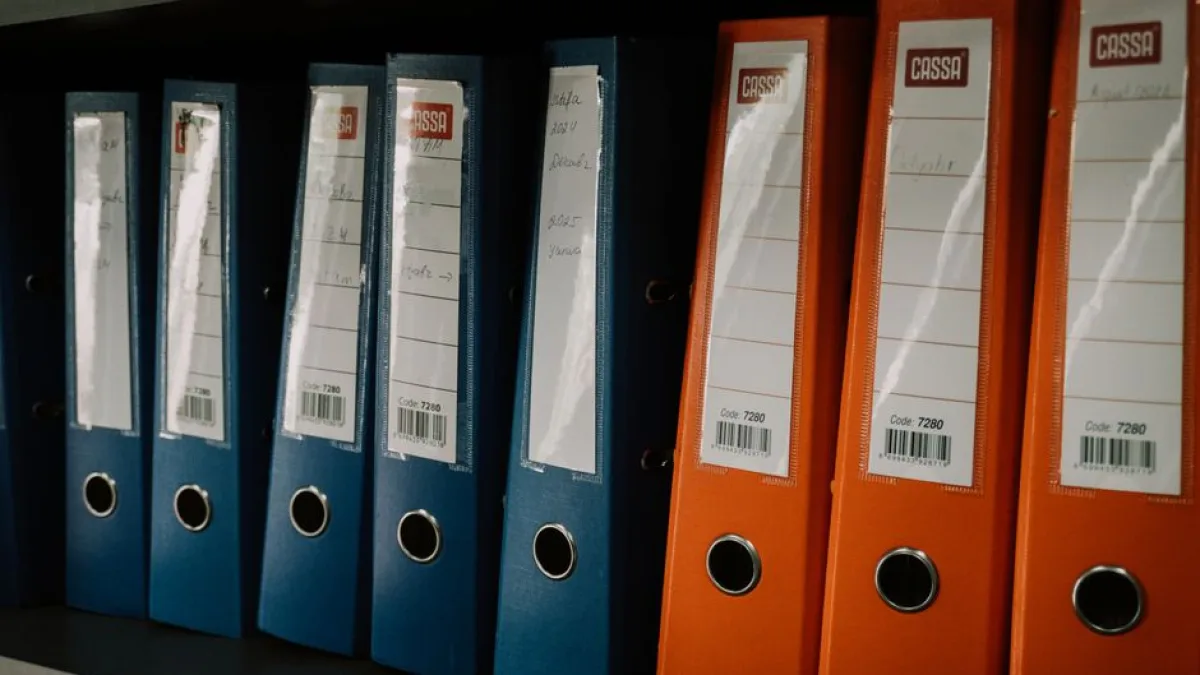
Maintaining rigorous financial compliance is essential for avoiding penalties and maintaining your operational licenses. Software solutions automatically handle tax calculations, currency regulations, and audit trails required by international trade authorities to keep your business operating legally and safely.
- Tax compliance automation: Systems automatically apply the correct tax rules based on the origin and destination of the cargo, ensuring accuracy while reducing the complexity of multi regional tax reporting.
- Digital audit trails: Maintain a secure and permanent history of every financial transaction, which simplifies the documentation process during external audits and proves regulatory adherence to authorities.
- Currency management tools: Handle multi currency transactions by applying up to date exchange rates, protecting your business from the risks associated with global market fluctuations and volatile international trade.
- Reporting for regulators: Generate standardized financial reports instantly that comply with local and international requirements, significantly reducing the administrative burden during complex annual or quarterly tax filing processes.
Adhering to strict financial regulations protects your company from unexpected fines and reputational damage. By automating compliance tasks, you create a robust safety net that allows your team to focus on freight operations without the stress of manual regulatory monitoring. This commitment to transparency and accuracy builds trust with both government authorities and your global network of business partners and clients.
Building Scalable Financial Infrastructure

As your freight forwarding business expands, your financial infrastructure must keep pace to avoid operational friction. Cloud platforms enable you to scale your billing capacity effortlessly, supporting increased shipment volumes without requiring a massive expansion of your back office staff.
- Centralized data access: All financial documents and billing records are stored in a secure cloud repository, providing remote access to authorized users across different office locations worldwide.
- Seamless software integration: Connect your forwarding platform with existing accounting software, ensuring that financial data flows smoothly between systems without the need for manual duplicate entry of entries.
- User permission controls: Manage access levels carefully to ensure that sensitive financial information remains protected while allowing authorized staff to perform their duties efficiently and safely every day.
- Cloud based updates: Receive instant software upgrades that ensure your billing system always reflects the latest industry trends, tax regulations, and technological advancements without expensive manual installations.
Investing in a scalable financial infrastructure prepares your company for future growth while optimizing current workflows. When your technology grows with you, you eliminate the need for sudden, expensive system overhauls that disrupt day to day operations. A robust and flexible digital foundation ensures that your billing processes remain efficient, accurate, and profitable, no matter how many shipments your company handles on a monthly basis.
Conclusion

Optimizing your finance and billing processes is the most effective way to secure the long term success of your freight forwarding business. By embracing automation, improving visibility, and ensuring compliance through cloud technology, you turn financial operations into a strategic asset. Start refining your financial workflows today to ensure your organization remains agile, profitable, and ready for the challenges of the modern shipping industry.