Optimizing Freight Forwarding Finances for Maximum Profitability
Thursday, August 20 2026

Freight forwarding is a complex industry where margin erosion often occurs due to fragmented billing processes and delayed invoicing cycles. For logistics professionals, maintaining a healthy cash flow requires more than just managing shipments; it demands rigorous oversight of financial operations. As global supply chains grow increasingly volatile, modern freight forwarders must transition from manual bookkeeping to integrated software solutions. By centralizing billing data and automating recurring tasks, companies can reduce human error, accelerate payment collection, and gain real-time visibility into their overall profitability. This shift is essential for scaling operations effectively in a highly competitive and fast-paced global logistics market.
Automating Billing Cycles

Automating your invoicing process eliminates the dependency on spreadsheets that frequently lead to errors and delayed payments. Digital workflows allow forwarders to issue invoices immediately after shipment milestones are met, ensuring that revenue recognition happens without unnecessary manual intervention or administrative bottlenecks.
- Reduced Billing Errors: Automated systems pull shipment data directly from operational modules, ensuring that all charges, surcharges, and taxes are accurately calculated without manual data entry mistakes occurring frequently.
- Faster Payment Cycles: Digital invoices sent through integrated platforms reach clients instantly, encouraging quicker processing times and reducing the duration between delivery of services and final cash receipt.
- Improved Data Accuracy: Centralized financial platforms provide a single source of truth for all billing activities, preventing duplicate entries and ensuring that every cost is captured correctly.
- Enhanced Client Communication: Automated status updates regarding billing status help keep clients informed, fostering trust and ensuring that disputes are addressed early before they impact cash flow.
Transitioning to automated billing represents a fundamental upgrade for any freight business looking to scale efficiently. By removing the repetitive manual tasks that consume valuable staff time, you empower your finance department to focus on higher-level strategic analysis. This shift minimizes the potential for human error while ensuring that every shipment contributes directly to your bottom line, setting a stronger foundation for long-term growth.
Managing Currency Fluctuations

Global freight operations often involve multiple currencies, making exchange rate volatility a significant risk to your profit margins. Effective financial management requires tools that handle real-time conversion updates, ensuring that quotes and invoices reflect the most accurate market values at the time of booking.
- Real Time Conversion: Integrated software platforms automatically update exchange rates, allowing you to price your services accurately even when dealing with highly volatile international currency markets and trade routes.
- Margin Protection Strategies: By applying standard buffers during the quoting phase, businesses can protect themselves against sudden currency swings that would otherwise erode the net profit of a shipment.
- Transparent Rate Visibility: Providing clients with clear documentation on how currency adjustments are calculated helps prevent disputes, promoting a more transparent relationship between the forwarder and the shipper.
- Standardized Financial Reporting: Consolidating all international transactions into a functional base currency simplifies accounting processes, allowing for cleaner balance sheets and easier oversight of global business unit performance.
Handling diverse currencies effectively is a key differentiator for successful international freight forwarders. By utilizing intelligent software that tracks these changes, you mitigate the financial risks associated with global trade. When your team can rely on precise data for every international transaction, they feel more confident in providing competitive pricing, knowing that your profit margins remain protected against unpredictable foreign exchange fluctuations.
Integrating Freight Operational Data
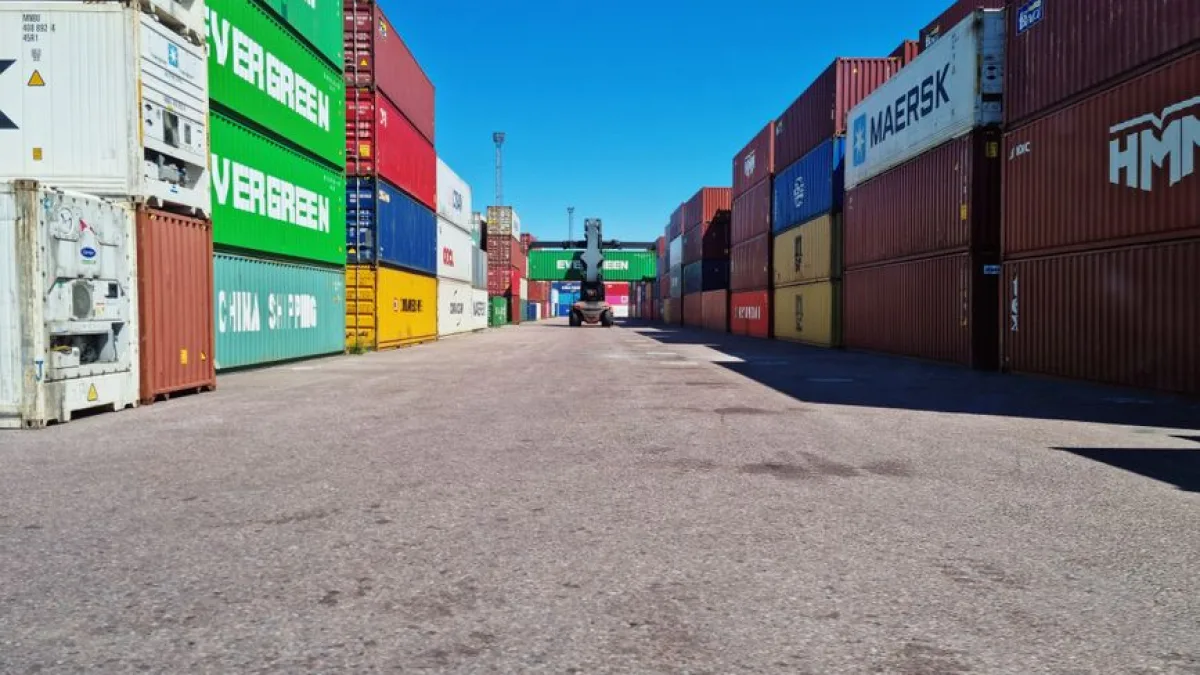
True financial clarity in logistics only exists when your operational data and financial records are fully synced. When shipment milestones automatically trigger financial entries, you gain the ability to monitor the profitability of individual lanes and clients with extreme precision.
- Unified Data Pipelines: Linking your logistics operations with your accounting software ensures that no cost or revenue item is ever missed during the reconciliation of complex shipping files.
- Real Time Profitability: Managers can instantly assess the performance of specific trade lanes by comparing actual operational costs against invoiced revenue figures within a unified software interface dashboard.
- Improved Audit Trails: Detailed logs showing exactly when each transaction occurred provide a comprehensive audit trail, which is vital for regulatory compliance and internal financial reviews during annual audits.
- Better Budget Forecasting: Access to historical shipment performance data enables teams to build more accurate financial forecasts, helping leadership make better informed decisions about resource allocation and expansion.
Operational integration transforms how your company approaches financial health by removing silos between departments. When your team has access to unified information, it is easier to identify underperforming accounts or routes that need optimization. This comprehensive approach to data management ensures that your financial planning is backed by solid operational evidence, allowing you to maximize efficiency across every single aspect of shipping.
Scaling Through Financial Analytics

Data driven decision making is the backbone of any growing freight forwarding company. By leveraging advanced financial analytics, you can move beyond simple bookkeeping and begin identifying long-term trends that reveal where your business can find new revenue streams or efficiency gains.
- Comprehensive Revenue Analysis: Advanced analytics tools allow you to drill down into revenue sources by customer, service type, or carrier, revealing which segments of your business offer the highest return.
- Expense Trend Identification: Tracking operational costs over time helps you identify patterns in spending, enabling you to negotiate better rates with vendors or reduce unnecessary overhead costs effectively.
- Performance Metric Tracking: Monitoring key performance indicators like days sales outstanding and net profit margin per shipment provides a clear picture of your company financial trajectory over time.
- Strategic Business Planning: High level insights derived from financial analytics empower business leaders to set realistic growth goals, ensuring that expansion strategies are based on current market realities.
Embracing financial analytics represents the final step in modernizing your freight forwarding business. When you treat your financial data as a strategic asset, you gain the ability to make proactive adjustments that improve your overall competitiveness. This analytical capability allows your firm to thrive in a challenging market, ensuring that you remain profitable while delivering exceptional service to your global client base.
Conclusion

Adopting an integrated approach to your financial and billing processes is critical for the modern freight forwarder. By focusing on automation, currency management, and robust data analytics, you protect your margins while scaling your business for the future. MakeCargo provides the tools necessary to bridge the gap between operations and finance, helping your team focus on growth and delivering high quality service worldwide.