Optimizing Freight Forwarding Finances for Better Profitability
Friday, August 28 2026

Freight forwarding is an industry defined by complex global movements and tight margins where financial precision is the difference between success and stagnation. Managing cash flow, currency fluctuations, and intricate billing cycles requires more than just spreadsheets and manual oversight. As digital transformation sweeps through the supply chain, forwarders must adopt robust financial systems to ensure accurate invoicing and timely collections. By leveraging cloud-based platforms, logistics providers can automate repetitive tasks, reduce human error, and gain real-time visibility into their financial health. This strategic approach empowers businesses to navigate market volatility, improve operational efficiency, and focus on delivering exceptional value to their global customers.
Mastering Automated Invoicing Workflows
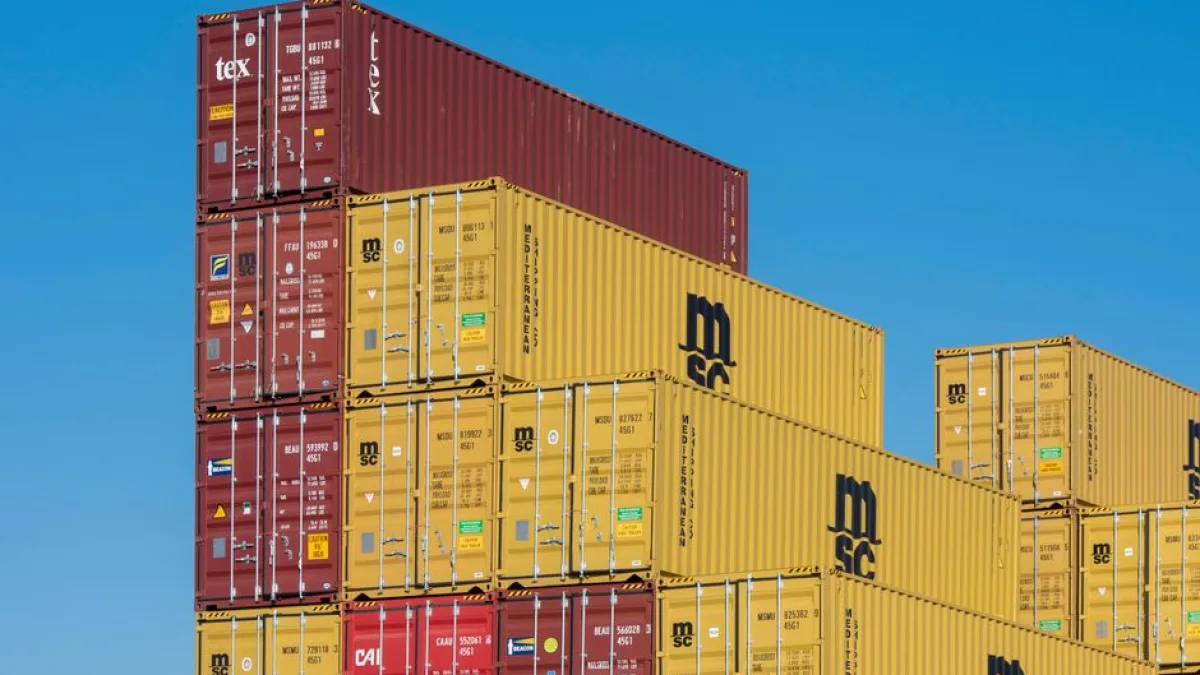
Automating your invoicing workflow eliminates the tedious manual entry that often leads to billing errors and delayed revenue cycles. By integrating automated systems, you ensure that every shipment detail is accurately captured and billed immediately upon arrival at the destination port.
- Seamless data integration: Automated software pulls shipment details directly from operational records to create invoices instantly, significantly reducing manual data entry and preventing costly mistakes that impact your bottom line.
- Faster payment cycles: Electronic invoicing systems send reminders and digital payment links to your clients, which encourages quicker settlement times and maintains a healthy cash flow throughout the year.
- Reduced processing errors: By removing the human element from basic billing tasks, you minimize the risk of calculation errors and ensure that all surcharge line items are applied correctly.
- Better audit trails: Every invoice generated through the platform is automatically saved and indexed, providing a clear history of financial activity for future tax filings or internal performance audits.
Transitioning to an automated billing environment allows your finance team to spend less time correcting typos and more time analyzing financial trends. This shift not only improves accuracy but also enhances the overall customer experience by providing professional, timely, and transparent documentation for every shipment. Investing in modern automation is a foundational step for any forwarder looking to scale operations while maintaining rigorous financial standards.
Managing Fluctuating Currency Risks

Operating on a global scale means dealing with constant currency exchange fluctuations that threaten your profit margins. Professional forwarders must implement dynamic financial tools that track market trends and allow for accurate, real-time conversion rates on all international client invoices.
- Real-time rate updates: Integrated financial modules pull the latest exchange rates from global markets, ensuring that your quotes and final invoices reflect current economic conditions without hidden losses.
- Automatic margin protection: Set internal threshold levels that automatically adjust prices based on currency swings, protecting your profit margins from unexpected shifts in the global financial landscape today.
- Multiple currency support: Handle complex transactions across different geographic regions with ease, allowing you to settle accounts in local currencies while maintaining a single, unified view of financial performance.
- Historical rate logging: Maintain detailed records of exchange rates applied at the moment of each transaction, which provides essential documentation for future reporting and simplifies international tax compliance.
Proactive currency management is no longer optional for firms operating in today volatile international markets. By utilizing software that addresses these risks automatically, you remove the guesswork and protect your bottom line from unexpected volatility. This level of control gives your team the confidence to negotiate better rates with global partners while ensuring that your international billing remains fair and consistently profitable.
Ensuring Accurate Cost Allocation

Properly allocating costs across various shipping lanes and service providers is essential for understanding the true profitability of your routes. Detailed cost visibility prevents undercharging and helps identify which specific lanes contribute most to your overall business success each month.
- Granular cost mapping: Break down expenses by individual service type, carrier, or customer account to see exactly where your capital is being deployed during the daily logistics process.
- Carrier invoice reconciliation: Automatically compare carrier invoices against original quotes to catch overcharges, ensuring that you only pay for the services you actually received on each shipment.
- Better lane insights: Identify which shipping routes are most profitable and which might be draining your resources, allowing you to optimize your service offerings for maximum financial impact.
- Vendor performance tracking: Use cost data to rank your carriers based on pricing reliability and invoice accuracy, helping you select the best partners for future freight operations.
When you achieve complete visibility into your cost structures, you unlock the ability to make data-driven decisions that favor profitability. Accurate allocation transforms raw expense data into actionable insights, helping you refine your pricing strategy and negotiate better terms with your partners. This meticulous approach to cost management creates a solid financial foundation that supports sustainable growth in a competitive global market.
Streamlining Collections and Receivables

Efficient accounts receivable management is vital for maintaining steady cash flow and avoiding liquidity crunches. By utilizing digital reminders and integrated payment gateways, you can significantly reduce the average days sales outstanding and keep your capital flowing back into the business.
- Digital payment integration: Offer clients the ability to pay directly through secure online portals, which removes friction and makes the settlement process faster and more convenient for them.
- Automated payment reminders: Configure your system to send gentle notifications as due dates approach, ensuring that your accounts remain at the top of your customers priority list every time.
- Aging report visibility: Access clear dashboards that highlight overdue accounts, allowing your credit control team to take immediate action on late payments before they become major issues.
- Customer credit management: Track payment history for every client to determine appropriate credit limits, which helps you avoid risky engagements and maintain a balanced, healthy client portfolio.
Optimizing your collections process is about balancing firmness with relationship building to ensure your revenue arrives on time. Modern tools enable you to track every dollar and follow up with precision, reducing the administrative burden on your staff. With a streamlined receivables system, you can reduce financial stress, reinvest in your growth strategies, and ensure the long-term sustainability of your logistics operations.
Conclusion

Managing the financial aspects of freight forwarding requires a modern approach that prioritizes automation, accuracy, and real-time visibility. By adopting cloud-based solutions, forwarders can streamline billing, mitigate currency risks, and accelerate collections. These improvements translate directly into higher margins and improved business health. Start optimizing your financial processes today to build a more resilient and profitable future for your logistics enterprise.