Optimizing Freight Forwarding Finances for Operational Growth
Thursday, October 15 2026
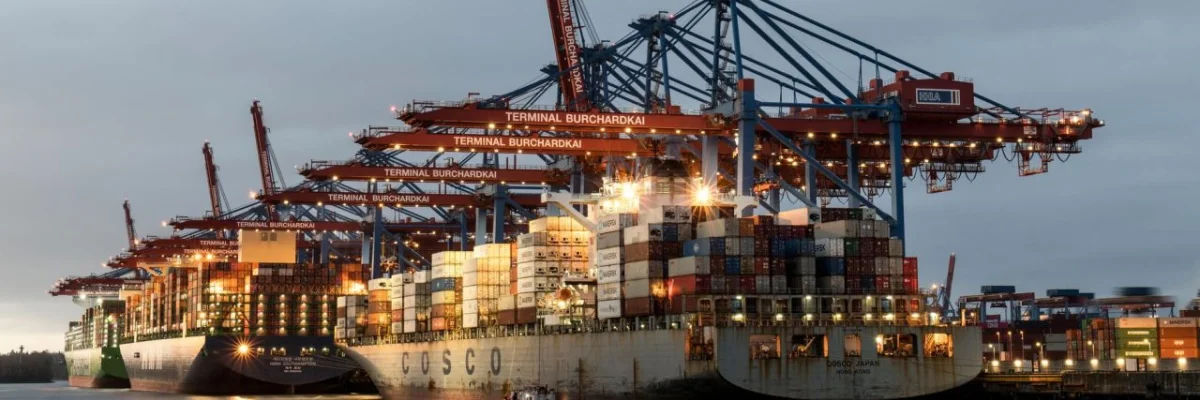
The global logistics landscape is undergoing a rapid digital transformation, placing immense pressure on freight forwarders to manage complex financial operations with precision. Manual billing processes and fragmented data silos often lead to revenue leakage, delayed payments, and strained client relationships. For modern forwarders, mastering the financial side of the business is just as critical as optimizing supply chain routes. By integrating automated billing systems and real-time financial tracking, professionals can ensure higher profit margins and improved cash flow visibility. Adopting a data-driven approach to finance is no longer an optional luxury but a core requirement for remaining competitive in today's fast-paced shipping market.
Automating Invoicing Workflows

Modernizing the invoicing process is essential for eliminating the errors associated with manual data entry. By leveraging automated digital tools, freight forwarders can generate accurate invoices instantly based on real-time shipment data, significantly reducing the administrative burden on accounting teams.
- Rapid invoice generation: Automated systems pull live freight data directly into professional billing templates, ensuring that every service is accounted for accurately without the need for repetitive manual input tasks.
- Reduced error rates: Eliminating manual entry reduces human mistakes that lead to billing disputes and payment delays, ultimately improving the accuracy of all financial records and client satisfaction levels.
- Integrated tracking modules: Digital software platforms connect directly with shipment tracking, ensuring that clients are billed immediately upon delivery confirmation, which accelerates the overall cycle from service to payment.
- Customizable billing templates: Flexible software allows companies to tailor invoices to meet specific client requirements, ensuring compliance and faster approval times during the complex audit and payment processing phases.
By shifting to automated invoicing, forwarders can reclaim hundreds of billable hours that would otherwise be lost to mundane data management tasks. This transition allows staff to focus on strategic growth initiatives rather than chasing down corrections or managing paper files. Consequently, businesses experience a notable improvement in operational throughput and financial accuracy, creating a stable foundation for scaling operations without increasing the core back-office headcount.
Managing Multi-Currency Transactions

Global logistics involves complex payments across numerous international borders, requiring sophisticated tools to handle fluctuating exchange rates. Freight forwarders must implement robust strategies to mitigate currency risk and maintain transparency during international settlements for global shipping operations.
- Automated rate updates: Integrated software platforms pull real-time exchange rates to calculate international charges accurately, preventing profit loss caused by outdated currency conversion data during the critical billing process.
- Multi-currency ledger support: Advanced financial systems allow businesses to manage records in various currencies, facilitating smoother reconciliation processes when dealing with international carriers, partners, and diverse client accounts globally.
- Risk mitigation strategies: Proactive financial tools provide insights into currency volatility, enabling forwarders to hedge effectively and stabilize cash flow against unexpected market shifts during long-term logistics contracts.
- Transparent reporting tools: Clear reporting dashboards display historical currency performance, helping finance teams analyze historical data to make informed decisions regarding pricing strategies in volatile international shipping corridors.
Navigating the complexity of multi-currency environments requires high-level precision to ensure that margins remain intact despite fluctuating economic conditions. By utilizing software that automates currency conversion, firms can minimize the risk of financial discrepancies. This reliable approach builds significant trust with international clients, as they receive transparent and accurate billing regardless of the origin or destination of their specific cargo shipments.
Enhancing Cash Flow Visibility

Maintaining a clear view of incoming and outgoing capital is vital for long-term sustainability in the logistics sector. Real-time cash flow monitoring allows freight forwarders to identify bottlenecks in the payment cycle and optimize working capital allocation effectively.
- Real-time dashboards: Centralized financial platforms offer instant visibility into revenue streams and outstanding payables, empowering leadership teams to make data-backed decisions that optimize internal liquidity and operational investments.
- Detailed aging reports: Automated aging analyses highlight overdue accounts immediately, allowing teams to initiate professional follow-up procedures before payment delays negatively impact the company's overall financial health and planning.
- Predictive financial forecasting: Sophisticated data analytics tools project future cash needs based on current booking volumes, ensuring that forwarders are always prepared for seasonal fluctuations in demand or capacity.
- Optimized payment cycles: Efficiently managing payment terms with vendors improves relationships while preserving cash reserves, which provides the necessary financial flexibility to invest in new technologies or infrastructure upgrades.
Visibility serves as the backbone of every healthy freight forwarding business, as it allows owners to forecast potential shortfalls and capitalize on sudden growth opportunities. By removing the guesswork from financial management, companies create a culture of accountability and precision. This shift enables teams to identify hidden costs and improve overall service delivery, ensuring that the entire organization remains agile, profitable, and resilient.
Streamlining Vendor Reconciliation

Reconciling vendor invoices against actual service performance is a tedious yet necessary process for maintaining profitability. Digital platforms simplify this effort by matching data points automatically, ensuring that forwarders never overpay for services provided by external logistics partners.
- Automated data matching: Systems automatically compare vendor invoices against purchase orders and shipment details, instantly flagging discrepancies for review and preventing unauthorized or incorrect charges from being processed through.
- Vendor portal access: Providing suppliers with direct access to a portal facilitates faster query resolution and improves collaboration, as all parties can review the status of payments and documents.
- Discrepancy audit trails: Detailed logs track every adjustment and communication regarding vendor bills, ensuring full accountability and compliance during internal audits or external regulatory reviews of financial data.
- Simplified payment scheduling: Integrated payment modules allow for automated scheduling of vendor disbursements based on agreed terms, ensuring consistent and timely payments that strengthen key long-term carrier relationships.
Efficient reconciliation processes protect profit margins by catching discrepancies before they ever reach the ledger. By replacing manual audits with automated verification tools, forwarders reduce the risk of human error and foster stronger ties with their carrier networks. This organized approach to vendor management ensures that the company remains a preferred partner while maintaining a high level of operational efficiency and strict financial control.
Conclusion

Mastering financial management is a foundational requirement for any freight forwarder aiming to achieve sustainable growth and operational excellence. By implementing automated billing, multi-currency support, and real-time reconciliation tools, your business can significantly enhance profitability and decision-making speed. MakeCargo provides the essential technology needed to transform these complex processes into efficient, automated workflows, ensuring that your organization remains competitive in the evolving global logistics market.