Optimizing Freight Forwarding Finances for Better Cash Flow
Saturday, October 24 2026
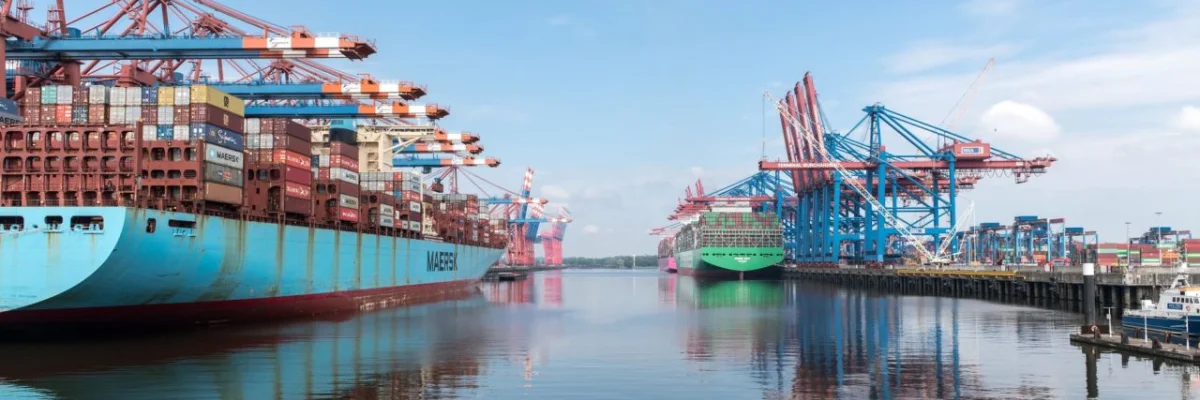
Managing the financial landscape of modern freight forwarding requires precision, speed, and absolute clarity. As logistics operations grow in complexity, the traditional manual methods of invoicing and reconciliation often lead to significant bottlenecks that drain profitability. By leveraging cloud-based platforms, forwarders can gain real-time visibility into their accounts receivable and payable cycles. This transition from reactive spreadsheet management to proactive automated finance systems is essential for companies aiming to thrive in a volatile market. Adopting these advanced tools not only reduces administrative overhead but also empowers teams to focus on strategic growth and delivering superior service to their global clients.
Streamlining the Invoicing Cycle
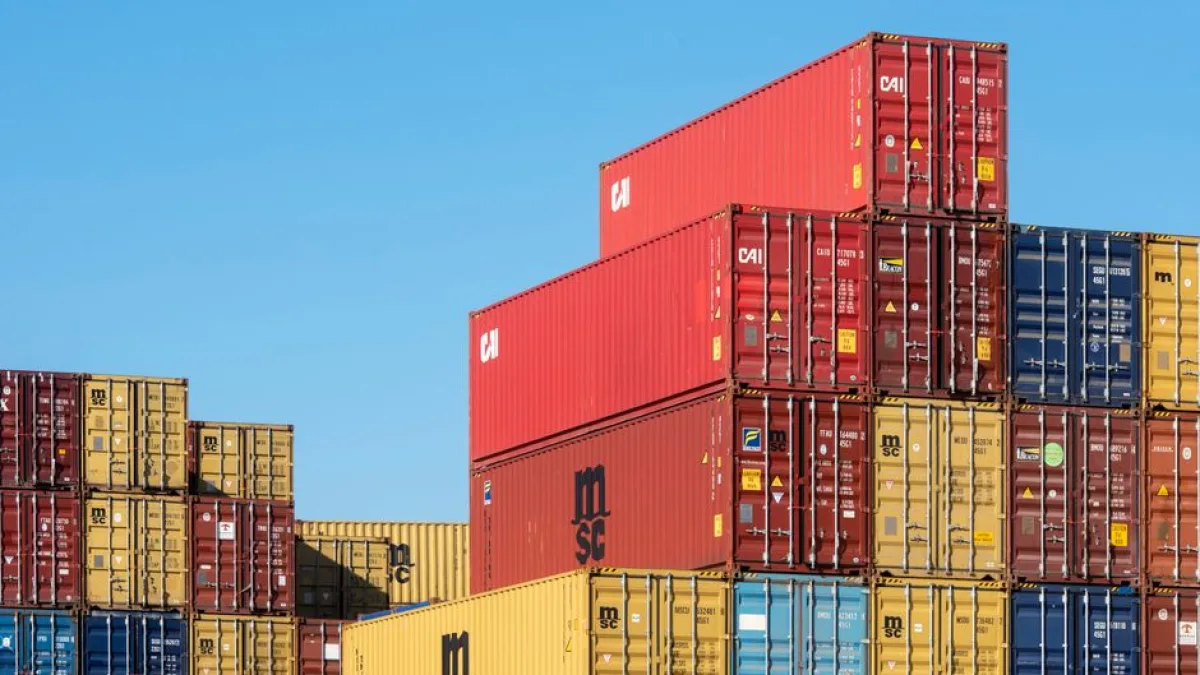
Automated invoicing systems remove the common errors associated with manual data entry during the billing process. By integrating billing directly into your transport management system, you ensure that every shipment cost is captured accurately and billed to the client immediately.
- Automated billing triggers: Set up your system to generate invoices automatically once a shipment reaches a specific milestone, ensuring that you reduce the time between service delivery and final payment collection.
- Data accuracy validation: Built-in validation checks flag discrepancies between customer contracts and final freight costs, preventing revenue leakage that often happens due to human error in traditional data entry workflows.
- Digital document storage: Centralize all shipping documents and invoices within one secure cloud environment, making it easier for finance teams to retrieve proof of delivery and supporting documents during audits.
- Real-time currency updates: Manage international transactions effortlessly by pulling live currency exchange rates into your invoices, which minimizes financial risk when dealing with fluctuating markets across different global trade routes.
Efficient invoicing serves as the backbone of healthy cash flow management in logistics. When you eliminate manual touch points, the entire accounts receivable process accelerates, leading to faster payments and improved liquidity. Transitioning to digital billing cycles allows your finance department to shift from chasing payments to analyzing trends, ensuring that your organization remains profitable even during periods of heavy cargo volume and operational instability.
Managing Complex Vendor Payments
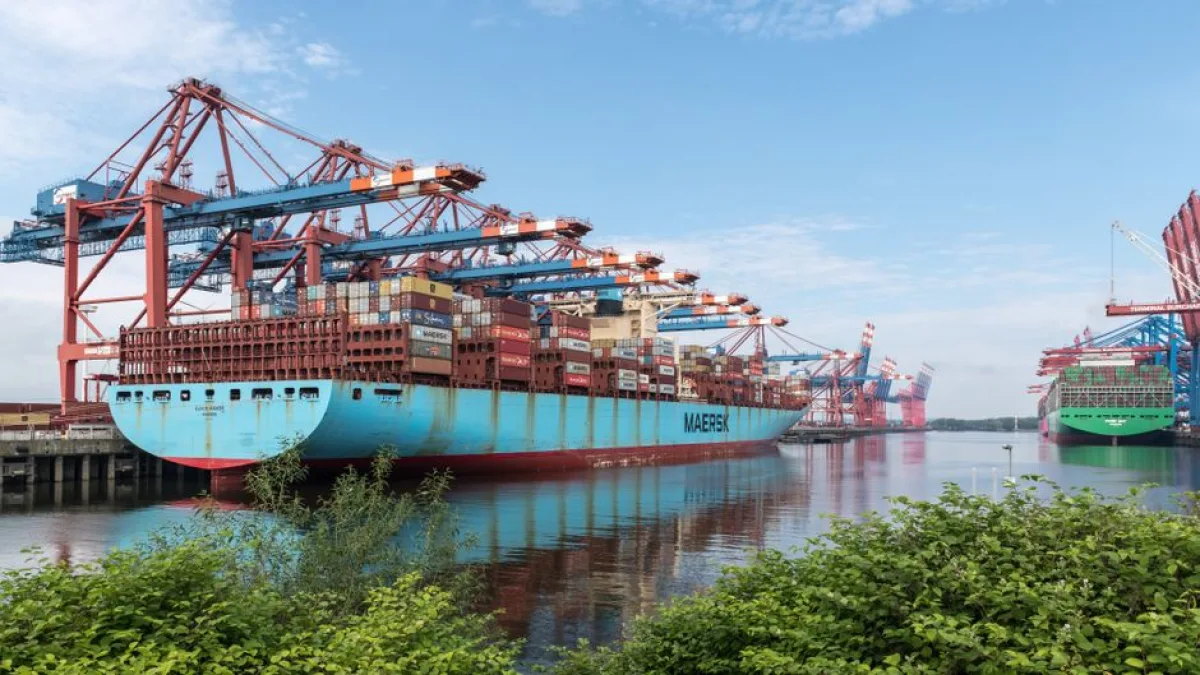
Freight forwarders must handle a high volume of vendor payments across multiple continents. Centralizing these payments within a cloud platform helps teams reconcile carrier invoices against original bookings, ensuring that profit margins remain intact throughout the entire global supply chain.
- Vendor portal access: Grant your carriers access to a dedicated portal where they can upload invoices directly, which simplifies the verification process and speeds up the overall approval workflow for management.
- Automated reconciliation tools: Match carrier charges against your expected quote costs automatically, highlighting any variances in price that require investigation before payment is released to the service provider or shipping line.
- Scheduled payment cycles: Use automated scheduling features to manage your accounts payable, allowing you to optimize your cash flow by timing payments according to your specific treasury management strategy and requirements.
- Audit trail transparency: Maintain a complete and unalterable record of all financial transactions, which provides your auditors with the transparency they need while protecting your firm from potential internal fraud.
Mastering vendor payments involves maintaining strict oversight over every dollar spent on freight, storage, and port fees. By utilizing automated software solutions, forwarders gain the visibility needed to negotiate better rates based on accurate historical data. This approach not only keeps your vendors satisfied with timely payments but also strengthens your balance sheet by reducing unnecessary administrative costs associated with manual reconciliation efforts.
Driving Profitability via Analytics

Financial reporting is the compass that guides successful freight forwarding businesses toward sustainable growth. By analyzing profit margins per lane or client, decision makers can quickly identify which areas of the business are thriving and which require urgent operational adjustments.
- Real-time margin tracking: Visualize profit margins on every single shipment in real time, enabling your team to adjust pricing strategies quickly if costs spike due to unexpected fuel or port surcharges.
- Custom financial reports: Generate bespoke reports that highlight your most profitable trade lanes, helping you allocate sales resources effectively toward those segments that yield the highest return on your investment.
- Client profitability insights: Evaluate the true cost of serving each customer by factoring in the time and resources spent on manual operations, allowing for more informed contract renewal and pricing discussions.
- Dynamic forecasting models: Use historical financial data to project future revenue patterns, giving your leadership team the confidence to make strategic investments in technology or staff during peak shipping seasons.
Data drives smarter business decisions in an industry as volatile as freight forwarding. When you move beyond simple accounting to deep financial analytics, you turn your finance department into a strategic partner for the entire company. Regularly reviewing these metrics ensures that you remain competitive, as you can instantly identify opportunities to reduce costs or increase service value, keeping your logistics business ahead of the curve.
Ensuring Financial Regulatory Compliance

Navigating the complex world of international trade finance requires strict adherence to various regulatory standards and tax laws. Maintaining automated compliance checks within your software platform minimizes the risk of legal complications and ensures seamless operations across different international borders.
- Automated tax calculations: Integrate tax compliance modules that automatically apply the correct VAT or GST rates based on the origin and destination of the goods, avoiding common international tax errors.
- Global trade compliance: Ensure that all financial transactions align with international trade regulations, including sanctions screenings that prevent your company from engaging in prohibited financial activity with specific entities or nations.
- Structured document retention: Keep all financial records in accordance with local and international law, which streamlines the process for tax season and provides peace of mind during unexpected governmental or external audits.
- Integrated audit logs: Benefit from detailed logs that track every change made to financial records, providing a clear history of actions taken by users within your system for full accountability.
Compliance is not just a legal requirement but a fundamental aspect of building trust with your international clients and partners. By automating your financial compliance processes, you protect your company from the risks of penalties and operational delays that can arise from administrative oversight. A robust, software-led approach to compliance ensures that your logistics business operates with integrity while maintaining efficiency in a demanding global trade market.
Conclusion

Transforming your financial operations is the most effective way to secure a competitive edge in the freight forwarding industry. By embracing cloud technology and automation, you move toward a more profitable and transparent future. Take the next step in modernizing your billing and finance workflows today by choosing tools that support your long-term vision. Optimize your processes and watch your logistics business grow efficiently.