Optimizing Freight Forwarding Finances for Modern Logistics
Monday, November 2 2026

The global logistics landscape is undergoing a massive digital transformation, forcing freight forwarders to reevaluate their traditional financial management processes. Manual billing cycles and fragmented data sources often lead to cash flow bottlenecks that hinder operational growth and scalability. By adopting cloud based platforms like MakeCargo, businesses can automate complex invoicing tasks, ensure regulatory compliance, and gain real time visibility into their financial health. Mastering these fiscal workflows is no longer just an administrative necessity but a critical competitive advantage that allows logistics professionals to focus on service excellence rather than spending countless hours chasing down payments and resolving discrepancies.
Automating Invoice Management

Modern automation tools eliminate the errors typically associated with manual data entry in freight operations. By centralizing billing documentation, companies can reduce overhead and ensure that every service charge is accurately recorded, verified, and sent to customers without unnecessary delays.
- Eliminate manual errors: Automating invoice creation ensures that numerical data is pulled directly from shipping records to prevent costly mistakes that often arise from repetitive data entry tasks during processing.
- Speed up collections: Faster invoicing cycles lead to prompt payments from your clients, which significantly improves your overall cash flow and allows for better reinvestment into your logistics operations.
- Standardize billing formats: Maintaining professional and consistent invoice templates across all your shipping documents enhances your corporate brand image while making it easier for customers to process payments quickly.
- Audit trail transparency: Every transaction is timestamped and logged within the software platform, providing a reliable record that simplifies financial audits and helps resolve billing disputes with absolute clarity.
Integrating an automated billing solution transforms your back office from a cost center into a strategic asset. By removing the burden of manual calculations, your finance team can dedicate their time to analyzing profitability reports and identifying new revenue streams. This shift toward digital efficiency minimizes administrative fatigue and creates a sustainable environment where your team can scale operations effectively without increasing headcount.
Managing Currency Fluctuations

Global freight involves constant currency changes that impact your bottom line. Robust software helps you track these variations in real time, enabling better margin protection during international transactions and ensuring that your pricing remains competitive despite volatile market conditions.
- Real time tracking: Software tools monitor currency markets automatically to provide up to date exchange rates, allowing you to adjust your pricing strategies dynamically based on current international financial data.
- Dynamic pricing models: You can instantly update your service quotes based on fluctuating costs, ensuring your profit margins are protected during unexpected swings in global exchange rate trends daily.
- Automated conversion tools: Managing multiple currencies becomes seamless when the system handles conversions at the point of sale, reducing the need for manual calculations or complex spreadsheet management solutions.
- Risk mitigation strategies: By having clear visibility into how currency changes affect specific trade lanes, you can make informed decisions about which markets to prioritize for better profitability outcomes.
Navigating currency volatility requires both vigilance and the right digital infrastructure to support your decision making process. By utilizing automated financial tools, you protect your business from the risks associated with international trade while maintaining transparent pricing for your global customers. This level of sophistication demonstrates to clients that your agency is a reliable partner that manages their cargo costs with precision.
Streamlining Payment Reconciliation

Matching incoming payments to outstanding invoices remains a significant hurdle for many forwarding agencies. Sophisticated cloud systems automate this reconciliation process, allowing you to instantly clear accounts receivable and maintain an accurate overview of your current cash reserves.
- Automatic matching systems: Intelligent platforms automatically link incoming bank deposits with specific customer invoices, which drastically reduces the time spent on manual bank reconciliation tasks each single week.
- Reduced processing delays: Fast reconciliation allows your finance team to identify overdue accounts early, enabling proactive communication with clients before payment delays start to impact your primary business operations.
- Integrated payment gateways: Offering diverse digital payment methods directly through your invoices makes it easier for customers to settle accounts, which accelerates the speed of your cash inflow.
- Enhanced financial reporting: Accurate reconciliation data feeds directly into your financial dashboards, giving you a clear view of your business health through reliable and up to date metrics.
Effective reconciliation is the heartbeat of a healthy freight forwarding business. When your accounts are perfectly synchronized, you gain the confidence to make quick business investments without wondering if your cash flow supports the risk. This proactive financial management style shifts the focus from managing historical data to planning future growth strategies, ensuring your firm stays ahead of competitors in a crowded market.
Enhancing Financial Visibility
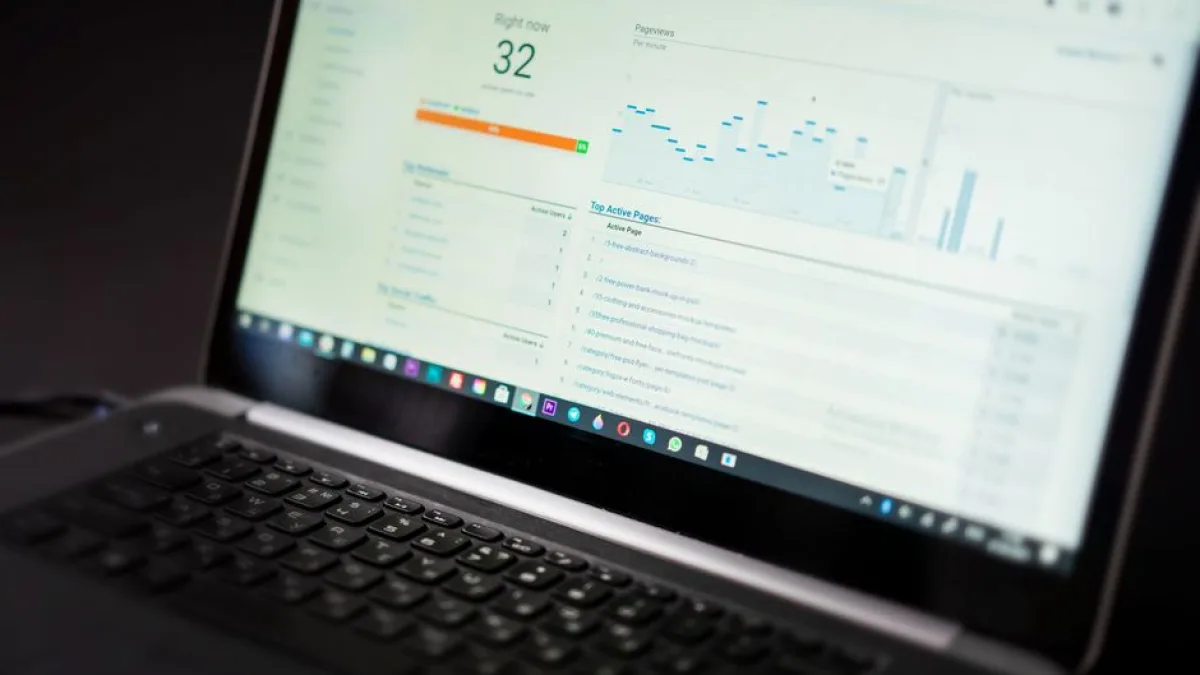
Comprehensive reporting tools provide the insights needed to make informed strategic decisions. By leveraging cloud based analytics, freight forwarders can identify their most profitable routes and optimize their spending habits to ensure long term sustainability and growth within the industry.
- Customizable financial dashboards: Tailor your view to see the metrics that matter most, such as monthly recurring revenue or average profit per shipment across various trade lanes.
- Detailed margin analysis: Deep dive into the profitability of every shipment to understand exactly where your costs are occurring and where you can improve your operational efficiency.
- Trend identification reports: Detect patterns in customer payment behaviors or shipping volumes that allow you to anticipate future needs and adjust your financial planning accordingly for success.
- Cloud accessibility features: Access your financial reports from anywhere in the world, ensuring that you can monitor your business performance even when you are traveling for logistics.
Gaining deep visibility into your finances transforms your business into a data driven powerhouse. When you understand exactly where your money goes, you can eliminate wasteful spending and double down on the shipping lanes that deliver the highest returns. This level of clarity is essential for any modern freight forwarder aiming to remain resilient and profitable in a fast paced global economy.
Conclusion

Mastering financial operations is a fundamental pillar of success in the competitive freight forwarding sector. By utilizing cloud based software, you simplify billing and reconciliation while gaining the visibility required to optimize margins across every shipment. Embrace these modern tools today to transform your back office, reduce manual workloads, and ensure that your logistics agency remains scalable, profitable, and ready for future industry growth.