Optimizing Freight Forwarding Financial Operations
Tuesday, July 28 2026
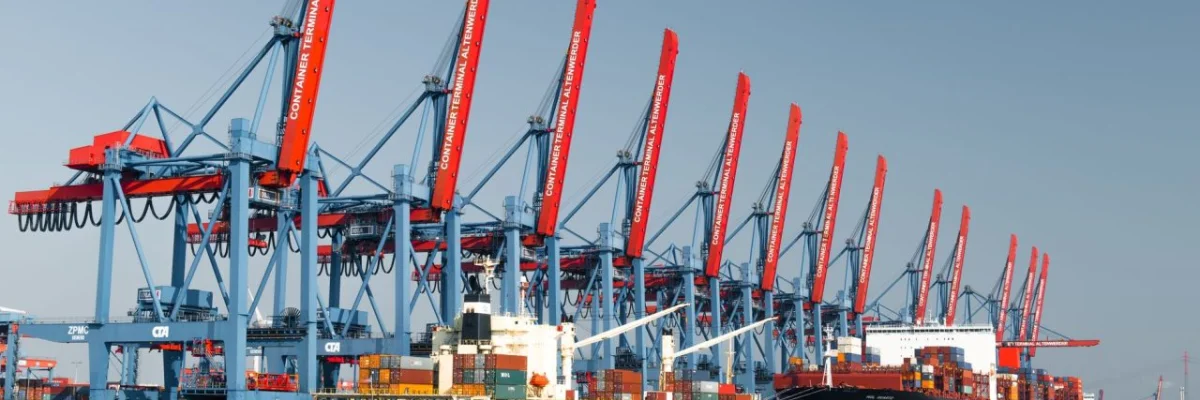
Efficient financial management stands as the backbone of every successful freight forwarding enterprise today. As global supply chains grow increasingly complex, the ability to manage cash flow, automate billing cycles, and maintain accurate ledger records becomes a critical competitive advantage. Professionals in this sector must transition away from manual spreadsheet tracking toward robust, cloud based financial solutions that provide real time visibility into profit margins and outstanding debts. By mastering these digital tools, forwarders can mitigate financial risks, reduce human error in invoicing, and ultimately unlock higher profitability while fostering long term trust with clients and carrier partners across the globe.
Mastering Automated Billing Systems

Digital transformation begins with automating the invoicing lifecycle to ensure accuracy and speed. When billing processes align with shipment milestones, companies reduce the time spent chasing late payments and minimize costly manual errors that often plague traditional freight forwarding accounting departments.
- Real time invoicing: Automate the generation of invoices as soon as milestones are reached to accelerate the billing cycle and maintain a healthy cash flow throughout the fiscal year.
- Reduced manual errors: Eliminate data entry mistakes by integrating shipment data directly into your accounting software to ensure that every charge accurately reflects the agreed upon contract rates.
- Centralized payment tracking: Maintain a single source of truth for all incoming and outgoing payments so your team can identify discrepancies and resolve them before they impact operations.
- Integrated currency conversion: Manage multi currency transactions effortlessly by using automated exchange rate updates that keep your financial records precise across international borders and diverse global markets.
Adopting automated systems allows finance teams to focus on strategic growth rather than repetitive administrative tasks. By streamlining these repetitive workflows, your organization can significantly improve its operational efficiency while simultaneously reducing the risk of billing disputes. This modern approach ensures that your company remains agile enough to handle sudden market fluctuations without compromising the accuracy or integrity of your financial reporting processes.
Analyzing Freight Profit Margins
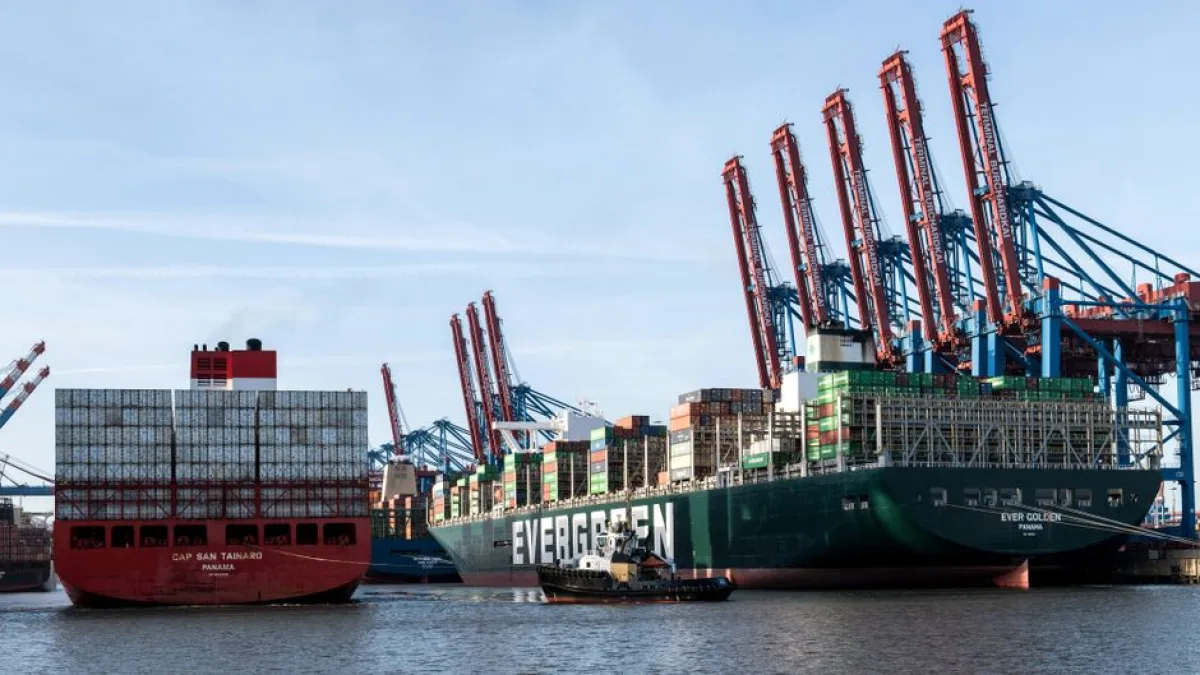
Understanding the granular profitability of every shipment is essential for long term financial health. Data driven analysis empowers forwarders to identify high value routes and reevaluate underperforming accounts to ensure resources are allocated effectively toward the most profitable logistics activities.
- Detailed cost visibility: Gain complete transparency into every cost element including port charges and carrier fees to ensure that your pricing strategies are always competitive yet profitable.
- Performance based insights: Review historical shipment data to pinpoint which lanes offer the best return on investment and guide future business development decisions with actionable intelligence today.
- Dynamic rate adjustments: Utilize margin analysis to adjust pricing models in response to market volatility and keep your business profitable during unpredictable shifts in global freight rates.
- Customized financial reports: Generate comprehensive reports that highlight key performance indicators to help management teams visualize trends and make informed decisions based on accurate business metrics.
Precise margin analysis transforms raw data into a powerful tool for sustainable business growth. By monitoring the profitability of every individual shipment, you gain the clarity needed to optimize your service offerings and eliminate hidden costs. This rigorous approach to financial oversight ensures your company can confidently navigate the challenges of the logistics industry while maintaining strong, reliable margins every single day.
Managing Cash Flow Effectively

Cash flow remains the lifeblood of any logistics business, particularly when managing credit terms with international partners. Maintaining a clear view of your liquidity ensures that you can meet your obligations while continuing to invest in technology and expansion.
- Optimized credit control: Implement automated reminders and clear credit policies to encourage prompt payments from clients and reduce the average time required to clear your outstanding invoices.
- Strategic vendor payments: Align your vendor payment schedules with your incoming cash flow to ensure you have sufficient liquidity to manage daily operations and unexpected emergency expenses.
- Forecasting future liquidity: Use historical payment trends to project future cash positions and identify potential gaps before they become critical issues for your business or internal teams.
- Improved resource allocation: Direct your available capital toward high impact areas like staff training or software upgrades instead of leaving it trapped in aging or unpaid accounts.
Proactive cash flow management prevents the common pitfalls that threaten freight forwarders during seasonal downturns. By prioritizing consistent collection cycles and keeping your expenses in check, you create a stable financial foundation that allows your business to thrive regardless of external economic conditions. Maintaining this level of discipline is the key to scaling your operations and achieving consistent financial health long term.
Ensuring Financial Regulatory Compliance

Navigating the complex landscape of international trade regulations requires a disciplined approach to financial record keeping. Compliance protects your company from legal penalties and builds a reputation for professional excellence with international customs authorities and key stakeholders globally.
- Audit ready records: Store all transactional documents in a secure digital format to facilitate easy access during audits and ensure that your company meets all legal requirements.
- Standardized accounting practices: Adhere to international accounting standards to simplify cross border operations and ensure your financial statements are transparent for all global partners and internal investors.
- Automated tax calculations: Integrate local tax regulations into your billing software to ensure that every invoice is compliant with jurisdictional requirements and avoids costly penalties or delays.
- Secure data management: Protect sensitive financial information with advanced encryption to ensure client privacy and maintain the security of your corporate financial data against modern cyber threats.
Building a culture of compliance safeguards your business and establishes trust with your global partners. When you handle your financial obligations with precision and transparency, you significantly mitigate operational risk and streamline your interaction with customs authorities. This commitment to regulatory excellence ensures that your logistics operations remain uninterrupted, allowing you to focus on delivering superior service to your valued customers everywhere.
Conclusion

Mastering financial operations is the definitive key to thriving in the competitive logistics landscape. By embracing automation, tracking margins, managing cash flow, and ensuring strict compliance, forwarders can build resilient organizations. Start optimizing your billing processes today to unlock efficiency and drive sustained profitability for your firm. Consistent financial management will ultimately empower your business to scale rapidly while maintaining the highest standards of industry performance.