Optimizing Freight Forwarding Financial Operations for Better Profitability
Thursday, September 17 2026
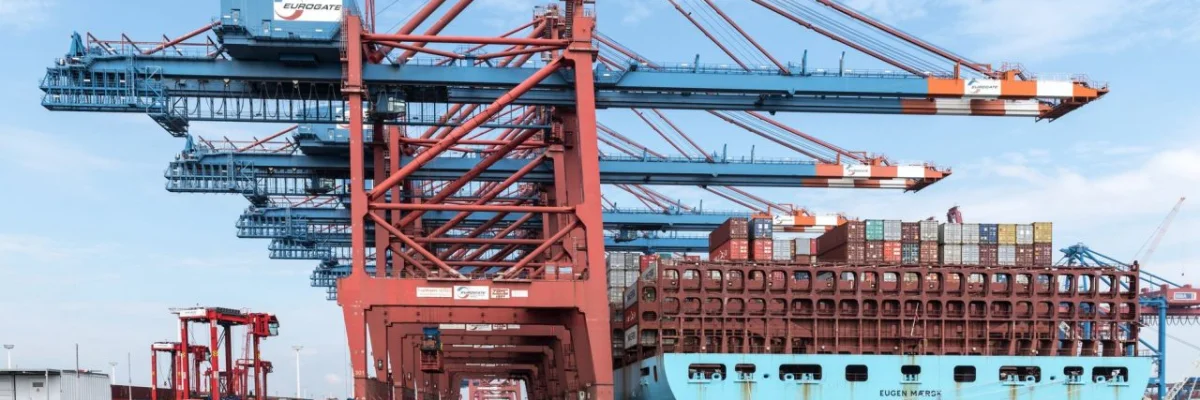
Freight forwarding is a complex industry where precision in billing determines the difference between thin margins and sustainable growth. Managing multi-currency transactions, fluctuating port charges, and diverse vendor invoices requires a robust financial strategy that prevents revenue leakage. As global trade evolves, traditional manual bookkeeping often fails to keep pace with the demands of international logistics. By adopting automated financial workflows and integrated software solutions, freight forwarders can eliminate human error, accelerate cash flow cycles, and gain deeper visibility into their operational costs. This shift is essential for professionals aiming to scale their businesses and remain competitive in a fast-paced market.
Mastering Automated Billing Cycles

Automating your billing cycle transforms how your company handles daily invoicing tasks. By replacing repetitive manual data entry with intelligent software triggers, your team avoids costly errors and significantly reduces the time required to send accurate invoices to your clients.
- Reduced Billing Errors: Automated systems ensure that all freight charges and surcharges are captured accurately from shipment records, eliminating the common mistakes associated with manual data input and spreadsheet management.
- Faster Payment Processing: Digital invoicing allows for instant delivery of bills to clients, which reduces the time spent waiting for paper documents and accelerates the overall cash collection cycle times.
- Integrated Currency Conversion: Software platforms automatically handle exchange rates at the moment of shipment creation, preventing financial losses caused by fluctuating currency markets during the lengthy billing and payment process.
- Standardized Document Creation: Uniform templates for every invoice ensure that your company maintains a professional image while meeting international trade compliance requirements for documentation and tax reporting standards every time.
Transitioning to automated billing is a strategic move that pays dividends immediately. By minimizing manual administrative burdens, your staff can focus on higher value tasks like customer relationship management and route optimization. This efficiency boost not only improves your overall bottom line but also creates a scalable foundation that supports the growth of your company during periods of high shipment volume and complexity.
Managing Complex Vendor Invoices

Managing vendor invoices from carriers and warehouses involves reconciling varying service agreements and unexpected costs. A centralized digital repository for all incoming financial documents allows your accounting team to verify service levels against actual invoices quickly and without delays.
- Automatic Cost Reconciliation: Systems automatically cross-reference incoming carrier invoices against the original booking details, immediately flagging discrepancies in rates or surcharges that require further investigation before processing any final payments.
- Centralized Vendor Data: Maintaining all vendor contact and billing information in one cloud platform simplifies the tracking of payments and helps your team negotiate better terms based on volume.
- Improved Audit Trails: Digital logs provide a transparent history of every invoice transaction, making it simple for your financial team to perform internal audits or prepare for external tax requirements.
- Approval Workflow Automation: Custom digital workflows route invoices to the correct department heads for quick approval, preventing bottlenecks that typically occur when documents are handled through manual email or paper chains.
Effective invoice management is the backbone of your profit margin protection. By gaining control over the hidden costs associated with carrier charges, you ensure that every penny earned is accounted for and retained. This level of financial rigor prevents revenue leakage and positions your company as a reliable partner to vendors who value transparency, timely payments, and accurate reporting during all trade operations.
Leveraging Real-time Financial Analytics

Data provides the clarity needed to make informed financial decisions in the volatile logistics landscape. Real-time analytics dashboards offer a snapshot of your current cash flow, outstanding receivables, and profitability per trade lane, allowing you to react to changing market conditions.
- Real-time Profit Visibility: Dashboards display the profit margin of each shipment as it occurs, giving your team immediate insight into which routes or clients are providing the most value.
- Cash Flow Monitoring: Tracking incoming payments against operational expenses allows you to forecast liquidity levels accurately, ensuring your business always has enough capital to fund current and future operations.
- Lane Profitability Reports: Analyzing financial data over time helps identify which specific trade lanes are underperforming, enabling leadership to adjust service offerings or renegotiate rates with relevant carrier partners.
- Customer Aging Reports: Automated tracking of overdue accounts provides clear lists of outstanding invoices, allowing your team to prioritize collection efforts and maintain a healthy working capital balance daily.
Moving from reactive bookkeeping to proactive analytics changes your business trajectory. When you understand exactly where your money goes, you can eliminate wasteful spending and reinvest in growth opportunities. Using these insights to steer your company allows for data-driven decisions that withstand market fluctuations, ultimately securing a stable financial future and a distinct competitive advantage over freight forwarders relying on outdated, static report formats.
Ensuring Compliance and Tax Accuracy

International logistics requires strict adherence to tax regulations and financial reporting standards across multiple jurisdictions. Maintaining accurate records is not just about internal efficiency but also about protecting your license to operate by avoiding regulatory penalties and costly audit failures.
- Multi-currency Tax Reporting: Software solutions automatically account for different regional tax regulations, ensuring your filings remain compliant regardless of where your shipment originates or terminates during its global journey.
- Digital Audit Readiness: Having every financial record neatly indexed and stored in a secure cloud environment makes preparing for financial audits a stress-free process for your accounting staff.
- Accurate Regulatory Documentation: Automated tools update your systems with the latest legal requirements for commercial invoices and customs declarations, reducing the risk of fines associated with incomplete or incorrect paperwork.
- Transparent Revenue Tracking: Clear separation of service income from customs duties and taxes ensures your reporting is precise, which prevents confusion during tax season and keeps your financial records pristine.
Prioritizing compliance minimizes operational risk while building trust with international clients and tax authorities alike. By leveraging tools that keep your financial records current and accurate, you protect your business reputation and ensure seamless operations across borders. Investing in compliance software today is a proactive step that shields your company from legal complications while allowing your team to focus on international trade growth.
Conclusion

Transforming your financial operations is essential for modern freight forwarding success. By implementing automation, tracking real-time analytics, and ensuring total compliance, your company will boost margins and streamline workflows. Use these strategies to build a resilient financial framework that supports long term expansion. Start auditing your current processes today to identify where you can improve efficiency and maximize your overall business profitability.