Optimizing Freight Forwarding Financial Operations with Modern Tech
Friday, October 2 2026

Freight forwarding is fundamentally a race against complexity where cash flow serves as the ultimate engine for growth. As global logistics networks expand, manual billing processes and fragmented accounting workflows often become the primary bottleneck for operational efficiency. Forwarding firms that rely on legacy systems frequently face delayed payments, reconciliation errors, and reduced profit margins. By integrating automated financial management directly into your operational stack, you can transform the billing cycle from a reactive headache into a proactive strategic advantage. Modern cloud platforms provide the visibility needed to scale effectively, ensuring that every shipment is tracked, invoiced, and reconciled without friction.
Mastering Automated Invoicing Workflows
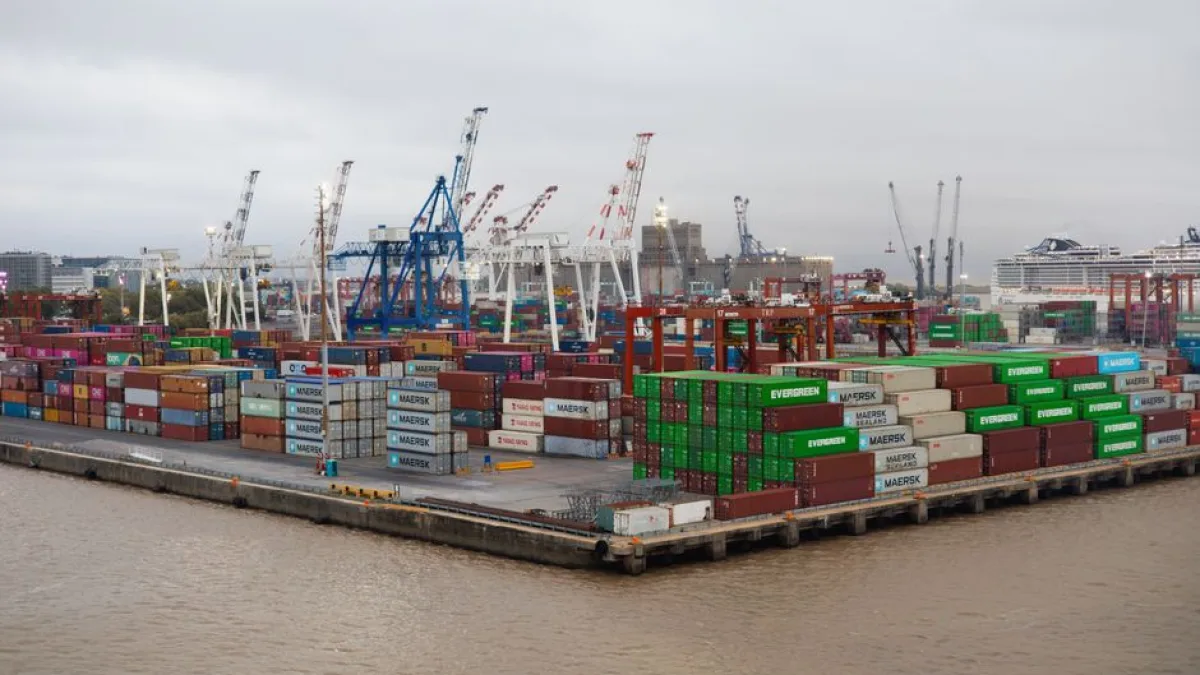
Automation in invoicing significantly reduces the manual labor traditionally required to process high volumes of complex shipment data. By leveraging digital triggers within your platform, you ensure that every service fee is captured and billed promptly to your clients.
- Real time generation: Automatically trigger invoices the moment your team completes a milestone or enters specific data points into the system to minimize delays in your overall revenue cycle.
- Standardized billing templates: Implement consistent document structures that clearly outline charges for air, ocean, and road freight, which helps in reducing customer disputes and speeding up payment approvals.
- Direct digital integration: Connect your forwarding software with accounting tools to ensure data flows seamlessly without the need for repetitive manual entry or risk of human error.
- Automated payment reminders: Configure your system to send gentle notifications to clients as payment deadlines approach, which helps maintain steady cash flow without requiring constant manual oversight.
Adopting an automated approach to invoicing does more than save time for your accounting department. It creates a transparent paper trail that keeps both your internal teams and external clients on the same page regarding outstanding balances. By eliminating the manual inputting of invoices, you free your staff to focus on solving high level logistical challenges that provide greater long term value to your firm.
Streamlining Multi Currency Reconciliation

Managing global shipments requires constant currency conversions that often complicate reconciliation efforts for accounting teams. Modern software allows you to handle international transactions with ease while maintaining accurate reporting across diverse regions and operational subsidiaries daily.
- Automatic exchange tracking: Integrate live market feeds into your platform to ensure that your financial records always reflect accurate currency valuations for international freight forwarding transactions every day.
- Consolidated financial views: View all your global revenue streams in a single base currency through your dashboard to gain a clearer understanding of your total business health.
- Reduced manual mapping: Eliminate the need for messy spreadsheets that track exchange rate variations by using built-in tools designed to normalize currency fluctuations automatically across all invoices.
- Accurate tax compliance: Ensure that every international transaction aligns with local tax regulations and reporting requirements to avoid potential fines or audits during your fiscal year reviews.
Handling multi currency operations manually is a recipe for errors that can hide profit leaks within your balance sheet. By utilizing software to manage these conversions, you gain the confidence that your financial reports are accurate and legally compliant. This level of precision allows your management team to make better data driven decisions regarding regional investments or pricing adjustments based on real market conditions.
Enhancing Accounts Receivable Efficiency

Improving your accounts receivable process is vital for maintaining healthy cash flow in the fast moving logistics industry. A robust platform provides visibility into payment statuses so that you can proactively manage collections before they become overdue liabilities.
- Centralized payment dashboard: Maintain a single view of all outstanding client payments to identify which accounts require immediate attention or follow up from your dedicated finance team members.
- Automated ledger updates: Synchronize your payment receipts with open invoices instantly to ensure that your records are always current without the need for manual batch processing tasks.
- Detailed aging reports: Generate customized reports that highlight late paying clients so you can adjust credit limits or service terms effectively to protect your company from bad debt.
- Secure payment portals: Allow your clients to pay their bills directly through a secure digital interface to accelerate the receipt of funds and reduce your collection cycles.
A proactive accounts receivable strategy is the hallmark of a high performing freight forwarder. When your team can see exactly where money is held up, they can take targeted actions to clear bottlenecks quickly. This level of control reduces the time spent on administrative follow up and strengthens your relationships with clients who appreciate a clean, simple, and transparent billing experience every time.
Leveraging Real Time Financial Analytics

Data is your most valuable asset when it comes to identifying hidden profit margins within your freight operations. Using advanced analytics, you can track the profitability of specific trade lanes or clients to optimize your future service pricing strategies.
- Profitability per lane: Calculate the true margin on every shipment by comparing total costs against revenue to identify your most lucrative routes and improve your overall competitive positioning.
- Expense tracking automation: Categorize operational costs like fuel surcharges and port fees automatically to gain an accurate view of your overheads for better budgeting and cost control.
- Custom KPI reporting: Build personalized reports that focus on the financial metrics most important to your leadership team to monitor your growth targets against actual operational performance.
- Trend forecasting tools: Utilize historical billing data to predict seasonal revenue fluctuations so you can prepare your business for high volume periods with accurate capacity planning and staffing.
Moving from reactive reporting to predictive analytics allows you to guide your business toward higher profitability. When you understand exactly where your costs are coming from, you can make informed decisions about where to invest resources and which clients to prioritize. This strategic oversight is essential for any modern freight forwarder looking to outpace competitors and maintain long term financial stability in global markets.
Conclusion

Transforming your financial operations through modern software is no longer optional for competitive freight forwarders. By automating invoicing, streamlining currency reconciliation, and leveraging deep analytics, you secure a more profitable and stable future. Start evaluating your current billing bottlenecks today and choose a technology partner that helps you scale. Building a foundation of financial efficiency empowers your team to deliver superior logistics services effortlessly.