Optimizing Freight Forwarding Financial Operations for Better Profitability
Friday, October 16 2026

Freight forwarders operate in a high-pressure environment where precision in financial management is just as critical as the movement of goods across borders. Between managing fluctuating carrier costs, handling complex multi-currency invoices, and ensuring timely payments, the manual burden on finance teams often leads to costly errors and operational bottlenecks. Digital transformation within the logistics sector is no longer a luxury but a necessity for firms aiming to maintain healthy cash flows. By adopting integrated cloud-based software, companies can automate billing workflows and gain real-time visibility into their financial health, ensuring sustained growth and competitive performance in global shipping.
Mastering Automated Invoicing Workflows

Modern logistics platforms rely heavily on automated invoicing systems to eliminate manual data entry. By capturing shipment details directly from bookings, teams reduce the risk of human error, accelerate the billing cycle, and ensure that every charge is accounted for accurately.
- Automated billing generation: Software captures shipment milestones to create invoices automatically, reducing the time spent on manual input while ensuring that all accessorial charges are captured without any omissions or delays.
- Standardized fee structures: Implementing pre-defined pricing templates allows finance teams to apply consistent rates across various shipments, minimizing the likelihood of client disputes regarding unexpected or incorrect service fees being charged.
- Real-time data synchronization: Financial records update instantly as operational data changes, providing a single version of truth that prevents discrepancies between departments and speeds up internal financial reporting cycles significantly.
- Electronic document delivery: Digital systems allow for the immediate sending of invoices to clients, which reduces postage costs and ensures that customers receive their documents in a professional, easily accessible format.
Transitioning to automated workflows transforms the finance department from a reactive team into a proactive asset. By reducing the time dedicated to repetitive data entry tasks, staff members can focus on higher value activities like financial analysis and strategic planning. This shift not only lowers the overhead costs associated with billing errors but also fosters stronger relationships with clients through faster and more reliable communication processes.
Reducing Financial Risks with Real-time Visibility
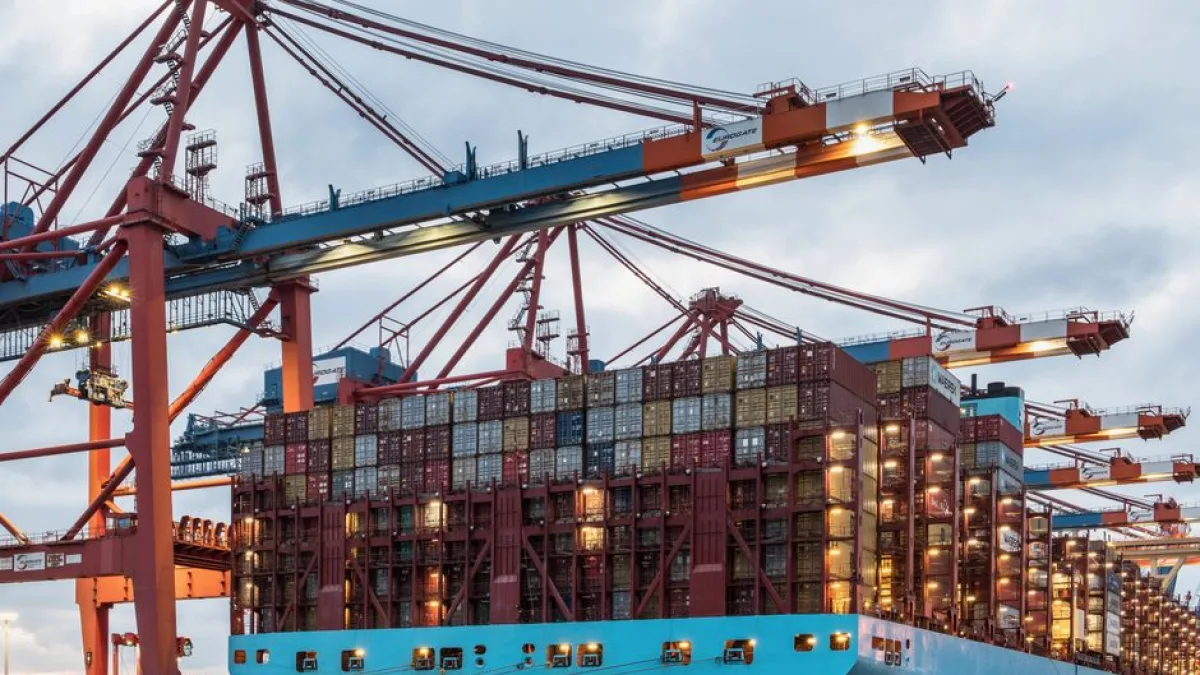
Maintaining oversight of incoming and outgoing capital is vital for risk mitigation. Cloud platforms provide real-time dashboards that allow forwarders to monitor cash flow patterns, identify outstanding payments, and proactively manage credit limits to prevent liquidity issues in shipping.
- Proactive credit management: Systems track customer payment history and credit utilization automatically, sending alerts when a client approaches their limit or has overdue invoices, which helps to mitigate potential bad debts.
- Cash flow forecasting: Analyzing historical payment trends provides managers with accurate projections of future revenue, enabling better decision making regarding company investments and operational expenses during quieter business cycles.
- Currency fluctuation monitoring: Advanced tools help track exchange rates and manage multi-currency transactions efficiently, reducing the impact of market volatility on profit margins when dealing with international trade routes frequently.
- Audit trail transparency: Every transaction, edit, and approval is logged in a secure database, creating an immutable history that simplifies internal and external audits while ensuring full regulatory compliance standards.
Continuous visibility into financial operations empowers management to respond quickly to market changes. Instead of relying on monthly reports that offer limited insight, leaders can leverage live data to make informed decisions that protect the bottom line. This level of control is essential for long-term survival in the volatile freight industry, where even small oversights can lead to significant financial exposure over time.
Simplifying Complex Multi-Currency Transactions

Global trade requires managing various currencies, which often complicates bookkeeping and reconciliation tasks. A modern financial software stack automates currency conversions and maintains precise records of exchange rates applied at the time of each transaction for better accounting.
- Automated rate updates: Software integrates with global financial data feeds to provide current exchange rates automatically, ensuring that invoices and settlements reflect accurate market values at every transaction point.
- Multi-currency ledger support: Systems maintain dual or multi-currency ledgers to track income and expenses clearly, making it easier for finance teams to consolidate reports across different regional branch offices.
- Reduced conversion errors: Manual calculations are prone to mistakes that cost firms money, but automated systems ensure consistent mathematical accuracy, protecting profit margins from small yet cumulative currency discrepancies in operations.
- Seamless reconciliation process: The software automates the matching of bank deposits against invoice totals, streamlining the reconciliation process while ensuring that currency gains and losses are accounted for correctly every time.
Effectively managing foreign currency transactions reduces administrative complexity and minimizes the risk of losing money on exchange rate variances. By providing a clear view of multi-currency assets, freight forwarders can better plan their cash distributions across international locations. This strategic clarity is a significant advantage when operating in a global market, allowing the firm to maintain financial stability regardless of the specific currency used.
Streamlining Carrier and Vendor Settlements

Managing vendor payments is often the most time-consuming financial task in logistics. By automating the reconciliation of carrier invoices against original bookings, companies ensure they pay exactly what is owed, preventing overpayments and maintaining positive carrier partner relationships.
- Automated invoice matching: Software automatically compares incoming carrier invoices against the original booking data to identify any price differences, ensuring that only valid and accurate charges are approved for timely payment.
- Improved partner relationships: Faster payment processing and clear documentation build trust with carriers, which can lead to better service quality and even preferential treatment during periods of high demand or equipment shortage.
- Dispute resolution tools: Integrated platforms provide a clear record of agreed rates, making it simple to highlight discrepancies and resolve billing disputes with carriers quickly without interrupting the flow of cargo.
- Batch payment processing: Digital payment solutions enable the processing of multiple vendor invoices in a single batch, which saves administrative time and reduces the frequency of manual bank wire transfers.
Optimizing the settlement process is key to maintaining a robust logistics supply chain. When carriers are paid on time and with accurate documentation, they are more likely to prioritize a forwarder's shipments. This efficiency is mutually beneficial, reducing administrative friction and allowing all parties to focus on their core competency, which is the reliable and timely transport of goods across the globe.
Conclusion

Modernizing finance and billing operations is a critical step for forwarders seeking to scale in a digital world. By embracing automation, real-time visibility, and streamlined settlement processes, firms can significantly reduce administrative overhead while improving overall profitability. Implementing the right tools allows your team to move beyond manual processes and focus on providing value to customers, ultimately securing a stronger, more resilient future in global freight.