Optimizing Freight Forwarding Operations for Better Profitability
Thursday, July 23 2026

The modern logistics landscape demands unprecedented levels of agility and precision from freight forwarding professionals who operate in highly volatile markets. As global supply chains grow increasingly complex, the reliance on outdated manual processes poses a significant risk to overall operational efficiency and client satisfaction. By integrating cloud-based digital solutions, companies can gain real-time visibility into their shipments while effectively reducing overhead costs. This transformation allows teams to focus on strategic growth rather than getting bogged down by repetitive administrative tasks. Adopting these best practices today is essential for staying competitive in a rapidly evolving international trade environment where speed and accuracy remain the primary drivers of success.
Digital Document Management Systems

Transitioning from paper-based filing to a centralized digital management system significantly reduces the time spent on document retrieval. This streamlined approach minimizes errors associated with manual entry and ensures that all stakeholders have access to the latest versions of critical shipping manifests instantly.
- Automated Data Entry: Implement smart software that automatically captures shipping data to reduce human error while increasing the speed of your documentation process for every single cargo shipment.
- Secure Cloud Storage: Utilize encrypted cloud platforms to keep sensitive client records protected and accessible from anywhere in the world during any phase of international logistics operations.
- Real-time Document Updates: Ensure that all parties involved in the supply chain receive instant notifications when documents are uploaded or modified to avoid costly transit delays.
- Enhanced Search Capabilities: Employ advanced indexing features within your document system to locate specific bills of lading or customs forms in mere seconds instead of hours.
By shifting to an entirely digital workflow, your team will experience a noticeable reduction in administrative friction. This change not only boosts productivity across departments but also creates a reliable audit trail that is necessary for regulatory compliance. Investing in these digital tools now prepares your logistics company to handle larger volumes of cargo without requiring additional headcount or manual labor resources.
Effective Communication Channels

Maintaining clear communication between carriers, agents, and clients is the cornerstone of a successful freight operation. By establishing standardized channels, teams can prevent the misinterpretation of shipping instructions and ensure that every person understands their responsibilities during the transport phase.
- Centralized Messaging Platforms: Use integrated software tools that allow your team to communicate directly within the context of specific shipments for improved tracking and information clarity.
- Standardized Response Protocols: Develop clear guidelines for client inquiries to ensure that every team member provides consistent information regarding status updates or potential transit challenges.
- Automated Status Alerts: Set up triggered notifications to keep your clients updated on cargo progress without the need for manual status reports or constant phone calls.
- Multi-Channel Integration: Combine email, messaging, and portal alerts into a single view so that no client request is ever lost or ignored during busy periods.
Optimized communication reduces the stress associated with unexpected delays and improves overall trust with your global client base. When information flows freely and accurately through your internal systems, you spend less time clarifying details and more time managing high-level logistics strategy. This focus on clear interactions distinguishes your services from competitors who still rely on fragmented and slow communication methods for updates.
Strategic Vendor Relationship Management
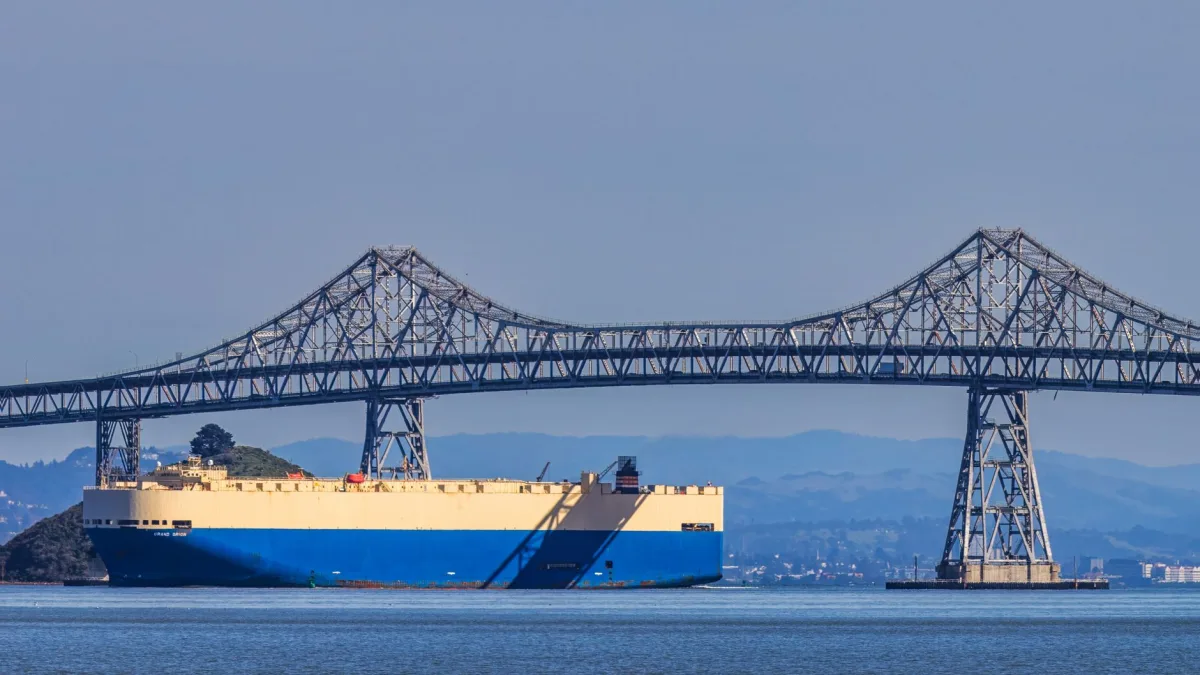
Building strong partnerships with reliable carriers and international agents provides a buffer against market volatility. By vetting partners rigorously and maintaining transparent performance records, you can ensure that your clients receive high-quality service regardless of external pressure or global capacity constraints.
- Performance Tracking Metrics: Evaluate your service partners based on timely delivery and communication accuracy to identify which vendors truly support your long-term business growth objectives effectively.
- Regular Partnership Reviews: Conduct quarterly meetings with key logistics providers to discuss service levels, pricing structures, and potential improvements to your collaborative shipping operations and strategies.
- Conflict Resolution Frameworks: Establish clear protocols for addressing disputes with vendors to maintain professional relationships while ensuring your clients interests are always protected during problems.
- Diverse Carrier Portfolios: Maintain relationships with multiple carriers across various regions to ensure you have consistent capacity even during seasonal peaks or unforeseen supply chain disruptions.
Strong vendor relationships are an invaluable asset when global shipping routes face unexpected challenges. By treating carriers as partners rather than just service providers, you gain better access to capacity and more favorable terms during periods of high demand. Focus your efforts on cultivating long-term agreements that benefit all parties involved, ensuring your logistics network remains resilient against any future industry turbulence.
Data Analytics for Better Decisions

Leveraging data allows freight forwarders to move beyond reactive habits and embrace predictive operational strategies. By examining historical shipping patterns and cost trends, management can make informed decisions that optimize margins and lead to more consistent service delivery across various trade lanes.
- Custom Reporting Tools: Generate automated reports that highlight your most profitable trade lanes and identifying areas where operational costs are currently exceeding your established budget targets.
- Predictive Capacity Planning: Analyze past shipment volumes to forecast future needs, allowing you to secure necessary space well in advance of peak season demand cycles.
- Cost Analysis Features: Audit your current spend on freight and services to discover hidden inefficiencies that are impacting your bottom line and overall client pricing models.
- Client Behavior Insights: Use data to understand your clients shipping habits, enabling you to offer proactive logistics solutions that solve their needs before they even arise.
Data-driven decision making provides a distinct competitive advantage in the fast-paced world of global freight. By continuously monitoring your operational metrics, you gain the ability to adjust your strategies quickly in response to market changes. Use these insights to refine your internal processes, ultimately creating a more lean and profitable business model that excels at meeting client demands consistently every day.
Conclusion

Mastering these operational best practices is a vital step toward achieving long-term sustainability and success as a freight forwarder. By modernizing your documentation, improving communication, managing vendor networks, and utilizing data, you position your firm for growth in a changing market. Start implementing these strategies within your daily workflows to streamline your business and provide superior value to your global clients today.