Optimizing Freight Forwarding Operations with Cloud Software
Saturday, August 8 2026
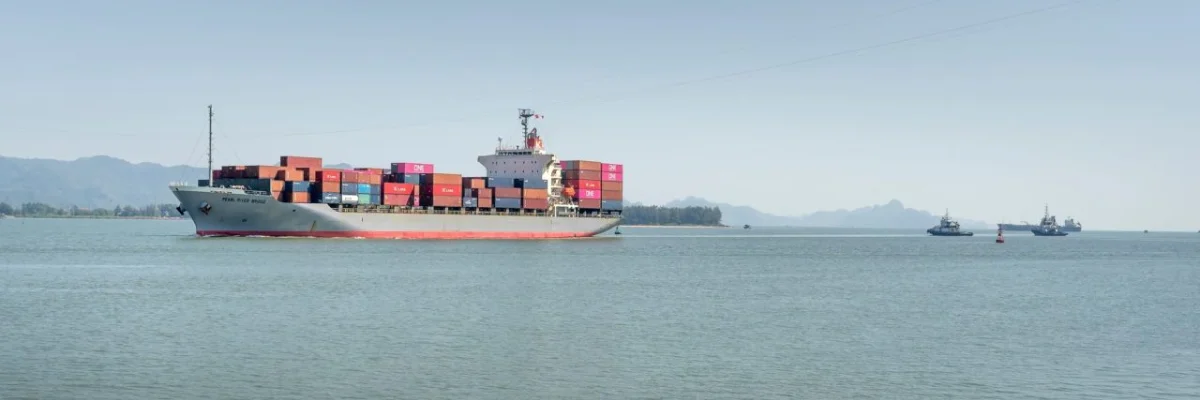
Modern freight forwarding requires agility and precision in an increasingly complex global market. As businesses face pressure to deliver faster while managing rising costs, traditional manual processes often become bottlenecks that hinder growth. By transitioning to cloud-based platforms, forwarders gain unprecedented visibility into their supply chains and internal workflows. This shift allows for seamless communication between stakeholders, reduced documentation errors, and enhanced data security. Embracing digital transformation is no longer a luxury for industry leaders but a fundamental necessity. Implementing smart software solutions empowers teams to focus on strategic client relationships instead of repetitive data entry tasks, driving sustainable long-term success.
Automating Your Documentation Process

Automating paperwork is the fastest way to improve efficiency in your daily operations. By removing the manual burden of creating bills of lading and invoices, your team can eliminate costly human errors and accelerate the entire shipment lifecycle significantly.
- Reduce manual entry: Implementing automated data capture tools minimizes repetitive keyboard work and drastically lowers the risk of typos that often lead to customs delays or heavy financial penalties.
- Standardized document templates: Using pre-built templates ensures that every shipment file meets international regulatory requirements while maintaining a professional appearance that builds trust with your international shipping partners.
- Instant cloud syncing: Centralized document storage allows your entire remote team to access critical shipment files simultaneously from any location, ensuring that everyone stays updated on project status.
- Enhanced compliance tracking: Built-in software features automatically flag missing information or outdated compliance documents, preventing shipments from being held at borders due to simple administrative oversights or lapses.
- Paperless storage systems: Transitioning to digital record keeping reduces physical office clutter and makes historical shipment data searchable in seconds, which saves valuable time during complex future audits.
Adopting digital documentation standards transforms how your agency interacts with customs authorities and global partners. By relying on automated verification, you ensure that every manifest and airway bill is accurate before it leaves your dashboard. This proactive approach saves hundreds of hours annually, allowing your staff to pivot toward growth strategies rather than getting trapped in a cycle of endless administrative revisions and updates.
Enhancing Real-Time Shipment Visibility

Providing clients with live updates is critical for maintaining high service levels in a competitive market. Advanced visibility tools allow forwarders to track containers in real time, providing transparency that clients demand and fostering long-term loyalty and trust.
- Live tracking integration: Connecting your software directly to carrier APIs enables you to display accurate shipment locations and arrival estimates to your clients on a simple dashboard interface.
- Proactive status alerts: Automated notification systems send emails or texts to customers the moment a delay occurs, helping them plan ahead and reducing support requests to teams.
- Detailed event logs: Recording every milestone of the shipping process creates a transparent trail that is invaluable for analyzing performance and identifying common recurring operational bottleneck issues.
- Improved cargo monitoring: Modern tracking tools often include temperature or humidity sensors that alert forwarders to cargo condition changes, which is essential for transporting high value sensitive goods.
- Client portal access: Offering a dedicated login portal gives your customers the autonomy to check their own shipments, which significantly decreases time spent answering basic status queries.
Transparency is the bedrock of modern logistics excellence. When your clients can see exactly where their cargo sits in real time, they feel more secure in their partnership with you. This visibility reduces stress for everyone involved and demonstrates your commitment to technological innovation. By providing clear and reliable data, you effectively differentiate your services from competitors who still rely on manual tracking.
Streamlining Communication Between Stakeholders

Effective communication is the glue that holds global supply chains together despite vast geographic distances. Utilizing a centralized platform ensures that agents, carriers, and shippers are always aligned, preventing information silos and resolving issues with greater speed and efficiency.
- Unified message threads: Linking all communications to specific shipment files prevents important information from being buried in personal inboxes, making collaboration much faster and more transparent for managers.
- Instant internal alerts: Software notifications ensure that relevant team members are informed immediately when tasks are updated, which prevents critical steps from being skipped or delayed unintentionally.
- Shared partner dashboards: Granting your vendors and agents access to specific data views encourages them to update their own statuses directly, saving your team from manual follow-ups.
- Faster resolution cycles: Centralizing communication means that disputes or discrepancies are documented clearly, allowing management to review issues quickly and implement solutions before shipments are negatively affected.
- Language translation tools: Integrated translation features bridge the gap between international offices and partners, ensuring that complex logistics instructions are understood perfectly by everyone involved in the chain.
Clear communication prevents the most common failures in freight forwarding. When information flows seamlessly through a single platform, team members can collaborate on complex shipments without constant back and forth emails. This organized approach creates a reliable environment where problems are identified early and resolved fast. Your partners will appreciate the professional consistency, leading to stronger relationships and more reliable logistics service outcomes.
Analyzing Performance with Data Insights
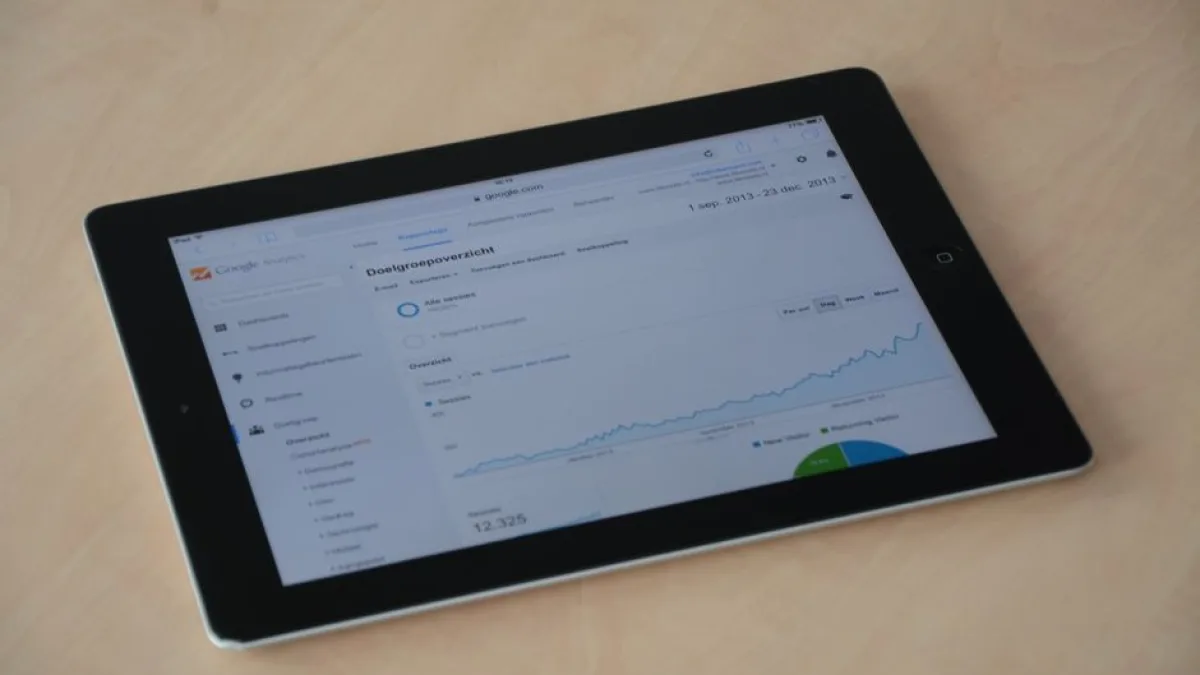
Data is a powerful asset when used correctly to guide your business decisions. By reviewing performance metrics from your software, you can identify hidden areas for cost reduction and improve your overall profit margins across all shipping trade lanes.
- Trade lane analysis: Reviewing historical shipping data helps you determine which routes are most profitable and which require adjustments to overcome low volumes or high carrier costs.
- Carrier performance metrics: Tracking carrier reliability scores allows you to identify top performers and avoid those who consistently miss schedules, ensuring a better experience for your customers.
- Financial reporting tools: Automating profit and loss statements for every individual shipment gives you clear visibility into your actual margins, which helps prevent revenue leakage errors.
- Demand forecasting models: Using historical shipment data allows you to predict seasonal volume fluctuations, helping your team prepare resources effectively and handle increased work loads during peaks.
- Custom report generation: Creating tailored analytics reports for your clients highlights the value your agency provides, which helps you win renewals and secure larger long-term contracts.
Data driven decision making turns your freight forwarding agency into a lean operation. By regularly auditing your shipping performance, you uncover valuable trends that are otherwise invisible in daily operations. These insights guide your investment choices and help you refine your service offerings. When you understand your metrics, you move from reacting to industry challenges to actively shaping your firm for future growth.
Conclusion

The future of freight forwarding depends on the integration of smart cloud technology to streamline complex operations. By automating documentation, enhancing shipment visibility, and leveraging data analytics, you build a resilient business that can scale with ease. Start exploring your digital options today to improve efficiency and drive long term growth. Your partners and clients will notice the professional difference in your service.