Optimizing Freight Forwarding Operations for Better Logistics Efficiency
Tuesday, August 18 2026

Freight forwarding professionals face constant pressure to manage complex supply chains while maintaining profitability in a volatile global market. As digital transformation reshapes the industry, forwarders must adapt by adopting cloud-based solutions to streamline documentation, improve visibility, and enhance client communication. Efficiency is no longer just a competitive advantage but a necessity for survival in modern logistics. By standardizing workflows and leveraging data-driven insights, businesses can reduce manual errors and focus on high-value tasks. This article explores essential strategies and best practices to help you modernize your operations and achieve operational excellence within your freight forwarding organization today.
Embracing Digital Documentation

Moving away from paper-based processes is the first step toward achieving operational agility. Digital documentation reduces processing times, eliminates physical storage costs, and ensures that critical paperwork is accessible to all stakeholders in real time for improved transparency.
- Automated Data Entry: Implement smart systems that automatically extract information from shipping documents to minimize human error and accelerate the processing of complex customs filings for your logistics team.
- Cloud-Based Storage: Utilize secure cloud environments to store bills of lading and invoices, ensuring that your team can access vital documents from anywhere in the global network.
- Electronic Signatures: Adopt legal digital signature platforms to drastically reduce turnaround times for contract approvals and expedite the movement of cargo across various international border checkpoints effectively.
- Document Version Control: Maintain a centralized system where updates are tracked in real time to prevent communication gaps or confusion regarding the latest versions of shipment files.
- Compliance Tracking Tools: Integrate automated alerts that flag missing information or regulatory changes, helping your staff remain compliant with international standards without requiring constant manual oversight and reviews.
Adopting a paperless workflow empowers your team to handle larger shipment volumes without increasing headcount. By digitizing documents, you create a scalable foundation that supports business growth while minimizing operational overhead. This shift not only improves internal productivity but also enhances the overall customer experience by providing faster service delivery. Start small by automating one key document type before expanding to other areas.
Enhancing Real-Time Visibility
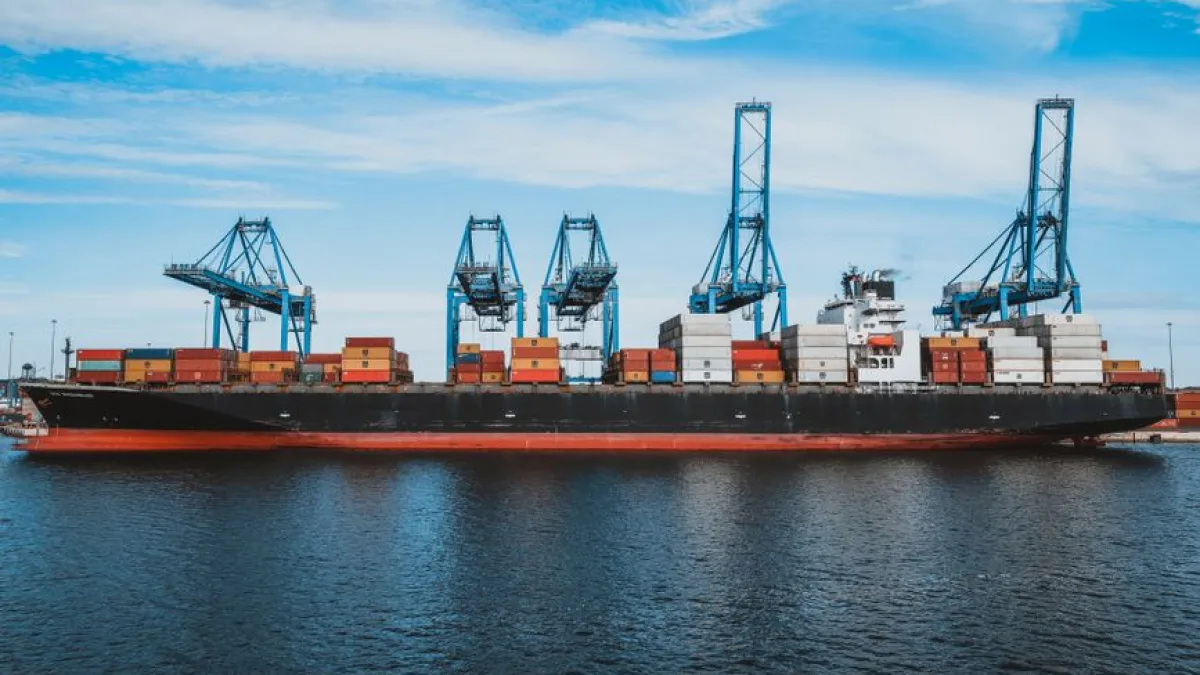
Visibility is the backbone of modern freight forwarding, allowing companies to anticipate delays and provide accurate updates to clients. Investing in tracking technology ensures that every movement is monitored, keeping customers informed and your logistics team in control.
- Live Shipment Tracking: Leverage API integrations with carriers to provide clients with accurate, real-time updates regarding their cargo location throughout the entire international transportation journey each day.
- Proactive Delay Alerts: Configure automated notifications that warn your team about potential port congestion or weather disruptions, enabling you to suggest alternative routes to your clients immediately.
- Centralized Client Portal: Provide a dedicated portal where customers can view their shipment status independently, reducing the volume of manual inquiry calls handled by your support staff.
- GPS Data Integration: Connect your management platform to satellite and GPS data feeds for granular insights into the exact movement of trucks and vessels globally at once.
- Exception Management Systems: Utilize logic-based workflows that prioritize shipment exceptions, allowing your staff to focus on high-risk issues rather than tracking routine movements across the network.
Real-time visibility creates trust and loyalty among your client base by providing total transparency. When customers can see where their cargo is at any moment, anxiety decreases and satisfaction scores rise significantly. Furthermore, proactive management of exceptions allows your company to solve problems before they escalate into costly failures, ultimately cementing your reputation as a reliable and professional logistics partner in this sector.
Streamlining Carrier Communication

Effective communication with carriers and partners is essential to prevent bottlenecks and ensure smooth transit. By centralizing your interactions, you avoid information silos and ensure that every party involved in the supply chain remains perfectly aligned on expectations.
- Unified Messaging Platforms: Move all carrier communications into a single interface to prevent important emails or messages from getting lost in individual employee inboxes during busy periods.
- Standardized Request Templates: Create uniform request forms for quotes and bookings to ensure that carriers provide consistent information, which simplifies the process of comparing different freight rates.
- Automated Status Updates: Use system-triggered emails to update carriers and partners on cargo readiness, ensuring that pickup schedules remain optimized and reducing wait times at warehouses.
- Shared Operational Dashboards: Provide select carriers access to specific shipment data through a dashboard to facilitate faster collaboration and resolution of common scheduling conflicts and errors.
- Performance Review Logs: Keep detailed records of carrier communication and performance metrics to identify which partners consistently meet deadlines and which ones require additional management or review.
Streamlined communication reduces the friction that often characterizes international shipping logistics. When your team spends less time hunting for information and more time collaborating, the speed of your entire operation increases. Centralization also aids in training new employees, as the history of every shipment interaction is stored in one accessible place, leading to a much more efficient and professional workplace environment.
Leveraging Advanced Data Analytics

Data is a powerful asset that can reveal hidden trends and opportunities for cost savings. By analyzing historical shipment data, your firm can make informed decisions regarding carrier selection, route planning, and overall capacity management strategies for future success.
- Freight Spend Analysis: Identify patterns in your shipping expenses to pinpoint where costs can be reduced through better contract negotiations or more efficient routing of your cargo.
- Carrier Performance Scoring: Use historical data to rank your carriers based on reliability and speed, allowing you to choose the best partner for every unique shipping requirement.
- Market Trend Forecasting: Analyze seasonal shipping volumes to predict future capacity needs, helping you secure space on vessels in advance during peak periods of the business cycle.
- Customized Reporting Tools: Generate automated monthly reports that highlight key performance indicators for your clients, demonstrating the value your company provides through regular and detailed data.
- Operational Bottleneck Discovery: Use heat maps or data visualizations to spot recurring delays in specific transit legs, allowing you to optimize your processes for faster delivery times.
Data analytics transforms raw numbers into actionable business intelligence that keeps you ahead of competitors. By regularly reviewing performance metrics, you can refine your strategies to improve margins and service quality. This ongoing process of refinement ensures that your freight forwarding business remains resilient and adaptable in an ever-changing global trade environment, providing you with a clear path toward sustainable long-term growth.
Conclusion
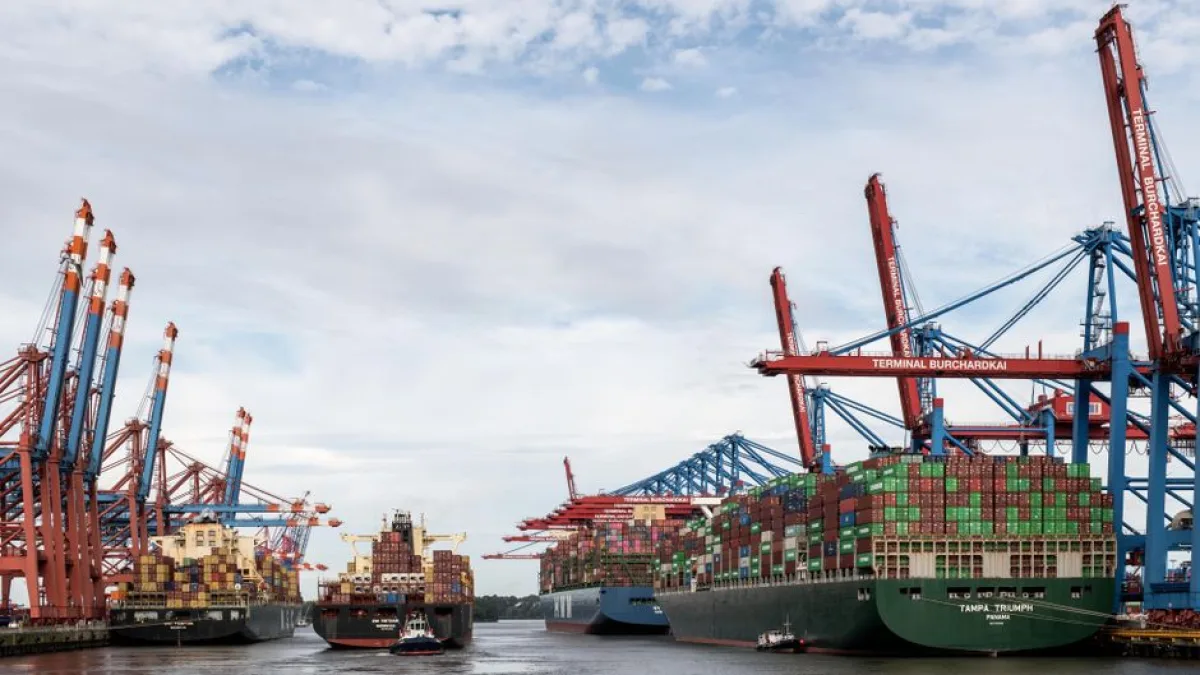
Optimizing your freight forwarding operations requires a commitment to digital tools, transparency, and data-driven decision-making. By implementing these best practices, you can effectively reduce administrative burdens and focus on what matters most, which is delivering excellent service to your clients. Start your journey toward a more efficient, technology-led future today and watch your business thrive in the evolving landscape of global logistics.