Optimizing Freight Forwarding Operations for Modern Global Trade
Friday, September 18 2026
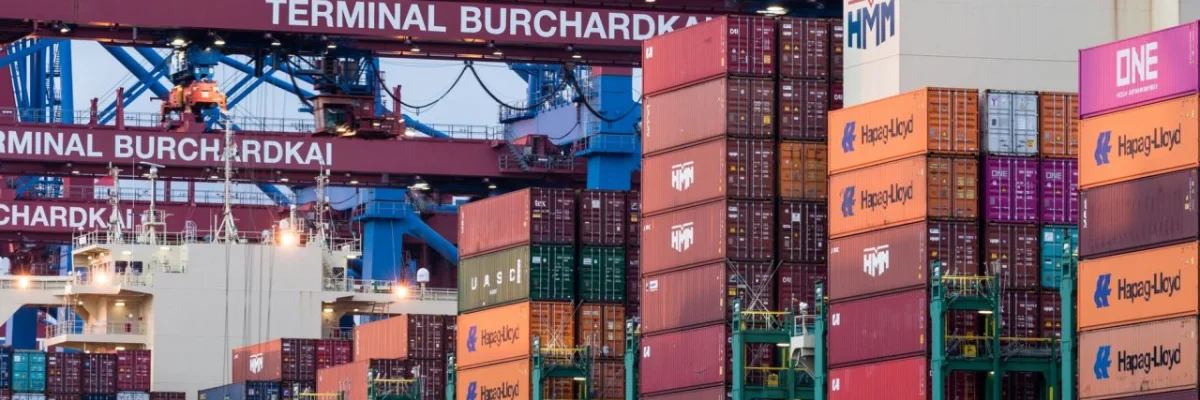
The global logistics landscape is undergoing a massive transformation driven by digital integration and rising consumer expectations. Freight forwarders today face unprecedented pressure to provide real-time visibility, cost efficiency, and seamless border clearances. Legacy processes that rely on manual documentation and siloed communication are rapidly becoming liabilities in a fast-paced market. To remain competitive, professionals must embrace cloud-based automation and data-driven decision making. By refining internal workflows and adopting scalable technological frameworks, forwarders can enhance their operational agility. This guide explores essential strategies for modernizing your logistics practice and ensuring long-term success in an increasingly complex and interconnected shipping environment.
Leveraging Advanced Automation Tools
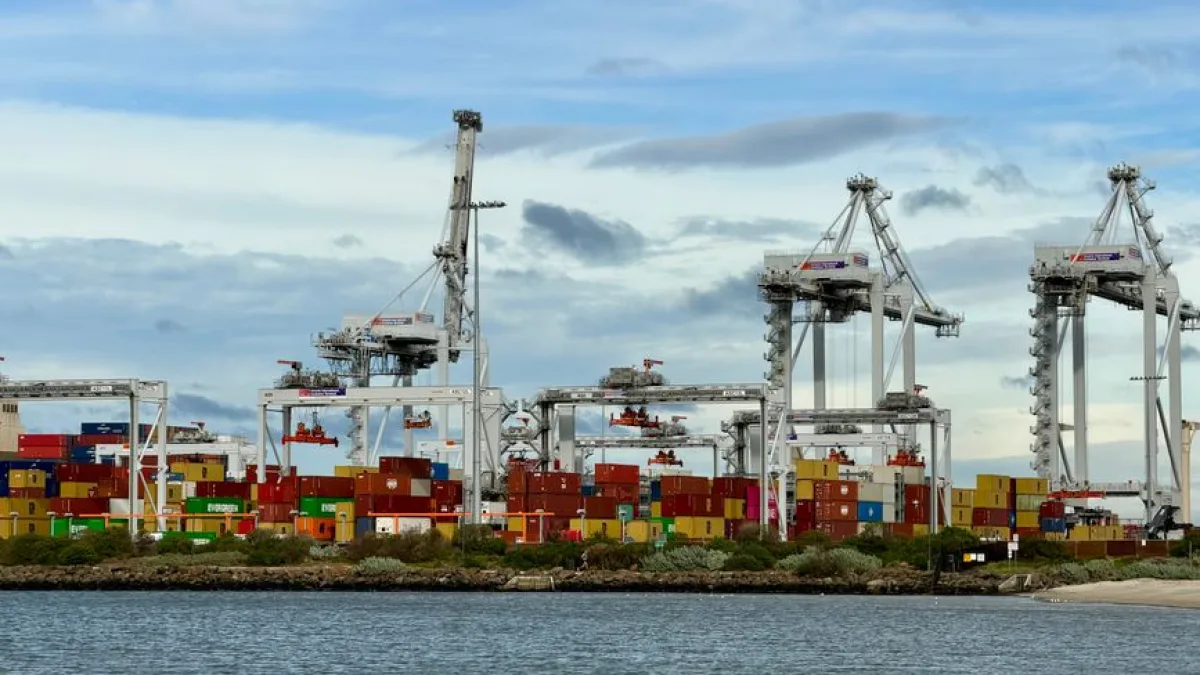
Modern automation software eliminates manual errors by centralizing complex data streams into one accessible platform for your entire team. This transition reduces administrative burdens significantly while improving accuracy in every shipment record you process during daily operations.
- Eliminate manual data: Reducing manual input minimizes the risk of human error during critical documentation phases which often leads to costly delays for both your business and your clients.
- Streamline billing cycles: Automating invoice generation ensures that your financial records remain accurate and up-to-date while accelerating payment collection cycles for better cash flow management throughout the year.
- Integrate carrier APIs: Connecting directly with carrier systems allows for instant rate retrieval and booking confirmation, removing the need for fragmented email threads and disconnected manual search efforts.
- Standardize workflow templates: Utilizing pre-defined shipment templates ensures that your team maintains consistency in every logistical process, making it easier to onboard new staff and train them efficiently.
Adopting these technological improvements allows your staff to focus on strategic client relations rather than repetitive clerical work. When routine tasks are handled by intelligent software, the operational speed of your firm increases dramatically. You will find that internal morale improves as workers spend less time chasing paperwork and more time delivering high-value solutions that grow your reputation in the competitive shipping industry.
Enhancing Real-Time Cargo Visibility

Providing customers with live updates regarding their freight location has become the primary standard for service excellence in logistics. Transparent tracking keeps stakeholders informed and builds deep trust throughout every stage of the international supply chain journey.
- Implement live tracking: Offering clients portal access to view their cargo movement in real-time builds significant trust and reduces the volume of repetitive status update inquiries received.
- Automated milestone alerts: Configure your software to send proactive notifications to customers whenever their shipment hits a specific milestone, ensuring that they remain informed without needing manual intervention.
- Predictive delay management: Utilizing data analytics allows you to identify potential port bottlenecks early, enabling you to inform customers of delays before they impact their business plans.
- Improve client retention: Customers are more likely to stay with a forwarder that provides consistent visibility, as reliable information reduces stress and allows for better inventory planning.
Visibility is no longer a luxury but a fundamental necessity for every freight forwarding firm. By integrating tracking tools into your customer-facing portal, you empower clients to make informed decisions without constant phone calls. This reduction in communication overhead allows your team to manage larger volumes of shipments while maintaining a high level of customer satisfaction and overall service quality.
Optimizing Warehouse and Inventory Management

Effective warehouse management ensures that your physical operations align perfectly with your digital logistical planning. High efficiency in these spaces prevents bottlenecks and keeps the supply chain moving smoothly toward its final destination on schedule.
- Optimize space utilization: Proper storage layout design improves picking efficiency, allowing your staff to locate and process cargo much faster than in cluttered or poorly managed storage areas.
- Real-time stock tracking: Implementing digital inventory systems ensures that you always know exactly what is on hand, reducing the likelihood of overselling or misplacing essential client cargo.
- Streamline loading zones: Organizing loading docks according to route priority helps your team clear out shipments faster, effectively reducing turnaround times for drivers arriving at your facility.
- Enhance safety compliance: Digital monitoring helps you track equipment maintenance schedules, ensuring that your warehouse remains a safe and compliant working environment for all your logistical personnel.
A well-managed warehouse is the heartbeat of your freight operations. When you prioritize structural organization and digital oversight, you minimize wasted time and maximize total throughput capacity. Investing time in these backend physical processes will pay dividends as your shipment volumes grow. You will experience fewer inventory mistakes and faster processing speeds that directly contribute to your bottom line and profitability.
Strengthening Data Security Protocols

Protecting client information and shipment data is a non-negotiable responsibility in an era where digital threats are frequent. Implementing robust security measures protects your company from breaches and solidifies your brand as a secure partner in global trade.
- Enforce user permissions: Restricting access levels ensures that employees only see the data necessary for their specific roles, which protects sensitive commercial information from potential unauthorized internal access.
- Regular system backups: Maintaining encrypted cloud backups prevents catastrophic data loss, ensuring that your business can recover quickly from any technical failures or malicious software attacks encountered.
- Update security software: Frequently patching and updating your digital systems guards against emerging cyber threats, keeping your proprietary data and customer information safe from external hacking attempts.
- Train your staff: Regular security awareness training empowers your employees to spot phishing attempts and follow safe digital practices, effectively closing one of the most common security gaps.
Security is a shared responsibility that demands constant vigilance from every member of your team. By building a culture of digital safety, you protect your clients and your own competitive advantage in the market. Taking these proactive steps ensures that your firm remains resilient against modern threats while maintaining the trust of your valued partners throughout the global logistics network.
Conclusion

Mastering the complexities of global freight forwarding requires a commitment to continuous improvement and technological adoption. By focusing on automation, visibility, warehouse efficiency, and data security, your firm will be well-positioned to handle future industry demands. Implement these best practices today to streamline your operations and ensure that your business thrives in a competitive and rapidly changing global trade environment.