Optimizing Freight Forwarding Operations with Modern Digital Tools
Saturday, September 19 2026

The global logistics landscape is evolving at an unprecedented pace, demanding higher levels of efficiency and transparency from freight forwarders. Professionals today must balance complex regulatory requirements with the rising expectations of shippers who demand real time visibility into their supply chains. Transitioning from legacy manual processes to cloud based software platforms allows teams to automate repetitive tasks and reduce human error significantly. By centralizing operations, firms can improve collaboration, decrease communication silos, and focus on delivering superior value to their global clients. This shift is no longer just a competitive advantage, but a necessity for long term growth.
Embracing Automated Documentation

Digital transformation begins by eliminating paper based workflows that slow down your processing speed. Automating document generation minimizes entry errors and keeps your team compliant with international customs regulations while ensuring that every shipment moves through the transit pipeline without delay.
- Reduce data redundancy: Automatically pull client information from your existing database to populate shipping manifests and bills of lading to avoid retyping the same repetitive details for every single shipment.
- Standardized digital templates: Implement unified document templates across your entire firm to ensure that all generated paperwork meets local customs requirements and professional company standards for every global transaction.
- Real time validation: Utilize automated systems to verify the accuracy of shipping data against carrier specifications before submission, which helps prevent costly penalties and lengthy customs clearance delays.
- Instant document sharing: Enable your partners and clients to access finalized shipping documents through a secure cloud portal immediately, replacing slow email chains with instant professional digital delivery.
Adopting these automated tools allows your staff to focus on strategic client needs rather than tedious administrative chores. When documentation becomes a seamless background task, the risk of human error drops significantly. This efficiency boost directly translates into faster turnaround times and improved client trust, allowing your business to scale operations effectively without the need for proportional increases in administrative staff or manual overhead.
Enhancing Real Time Visibility
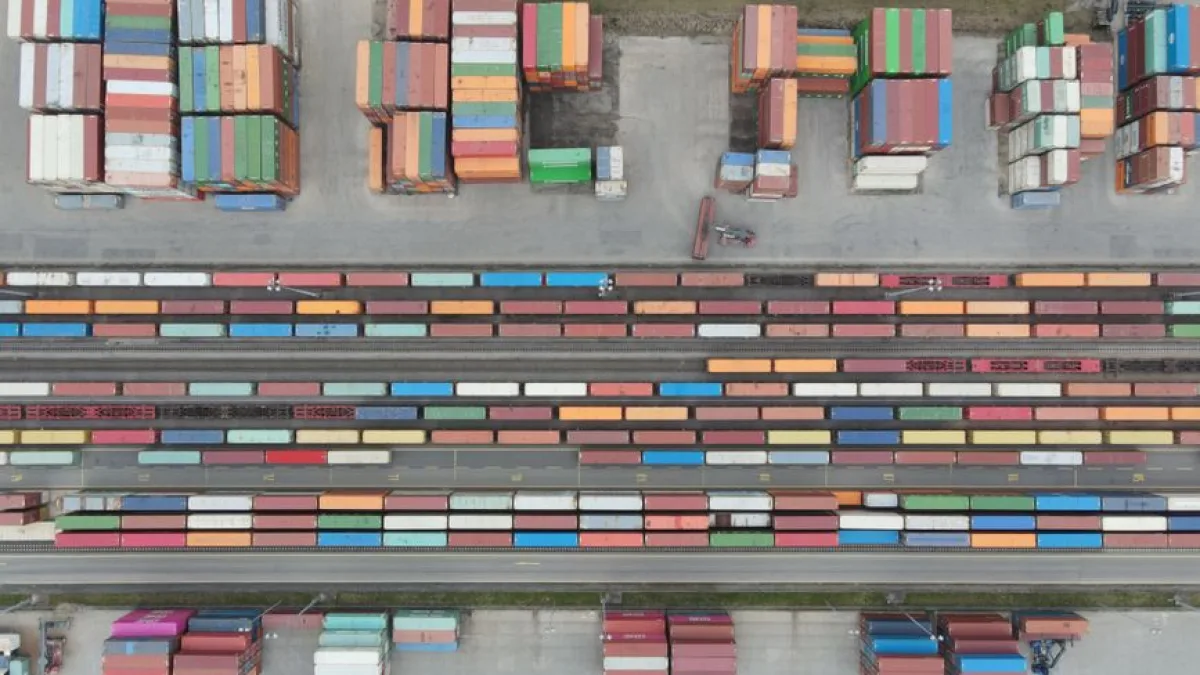
Shippers today demand granular visibility throughout the entire movement of their freight from origin to destination. Modern tracking platforms provide the precise data needed to keep clients informed, proactive, and satisfied during every critical step of the transit process.
- Integrated carrier tracking: Sync your software directly with major ocean and air carrier APIs to pull live status updates into your dashboard for immediate visibility on every shipment.
- Automated status notifications: Configure custom triggers that send proactive email or text alerts to your clients whenever a shipment reaches a milestone or encounters a unexpected delay.
- Interactive client portals: Provide a branded interface where customers can login to view their active shipments, access historical data, and monitor real time progress without contacting support.
- Predictive delay analytics: Analyze historical carrier performance data to identify bottlenecks early, allowing you to suggest alternative routing options before a minor issue becomes a major problem.
Providing exceptional transparency builds long term relationships with your customer base. When clients have the power to monitor their own freight movements, your support team spends less time answering basic status queries and more time managing exceptions. This proactive stance on visibility reduces anxiety for all stakeholders and positions your freight forwarding firm as a reliable, high tech partner in their supply chain.
Strengthening Carrier Relationship Management

Strong partnerships with carriers remain essential for securing space and competitive rates during volatile market periods. A robust digital strategy helps you maintain clear communication channels and manage performance metrics to ensure you receive the service your clients require.
- Centralized rate management: Store all carrier contracts and spot quotes in one searchable database to ensure your team always finds the best possible pricing for every booking.
- Performance tracking tools: Use internal reporting modules to track on time performance and billing accuracy, enabling you to hold your carrier partners accountable for service level agreements.
- Efficient booking workflows: Streamline the process of requesting space and confirming shipments through automated messaging protocols that reduce manual interaction time with your carrier representatives every day.
- Collaborative communication logs: Keep detailed notes and message histories linked directly to specific shipments so that every team member knows the current status of carrier interactions instantly.
Effective management of your carrier network relies on accurate data and consistent outreach. By documenting these interactions within a shared platform, you ensure that no critical information is lost during personnel changes or shifts in strategy. Maintaining healthy, transparent relationships with your providers ultimately guarantees better service reliability, which allows you to offer more competitive and dependable shipping solutions to your valued customers.
Scaling Through Cloud Integration

Moving your operations to the cloud empowers your team to work from anywhere while keeping data secure and accessible. Integrated software environments create a single source of truth that simplifies reporting, accounting, and decision making for freight forwarding business owners.
- Unified data access: Ensure that all staff members across different global offices can access the same up to date information regarding shipments, invoices, and client contact details.
- Robust security protocols: Protect sensitive commercial information with enterprise grade encryption and regular data backups that secure your infrastructure against cyber threats and unexpected system failures daily.
- Customizable dashboard reporting: Generate visual reports on profitability and operational volume with just a few clicks to help your management team make data driven decisions every month.
- Seamless software connectivity: Link your freight platform with existing accounting and CRM tools to eliminate manual data entry gaps and keep your financial records accurate and timely.
Cloud integration is the backbone of any modern, agile freight forwarding enterprise. By unifying your systems, you foster a culture of data driven success where insights are available instantly. This technical foundation allows you to adapt to market fluctuations with confidence. As your business grows, these scalable systems ensure that your operational processes remain stable, efficient, and profitable for years to come.
Conclusion
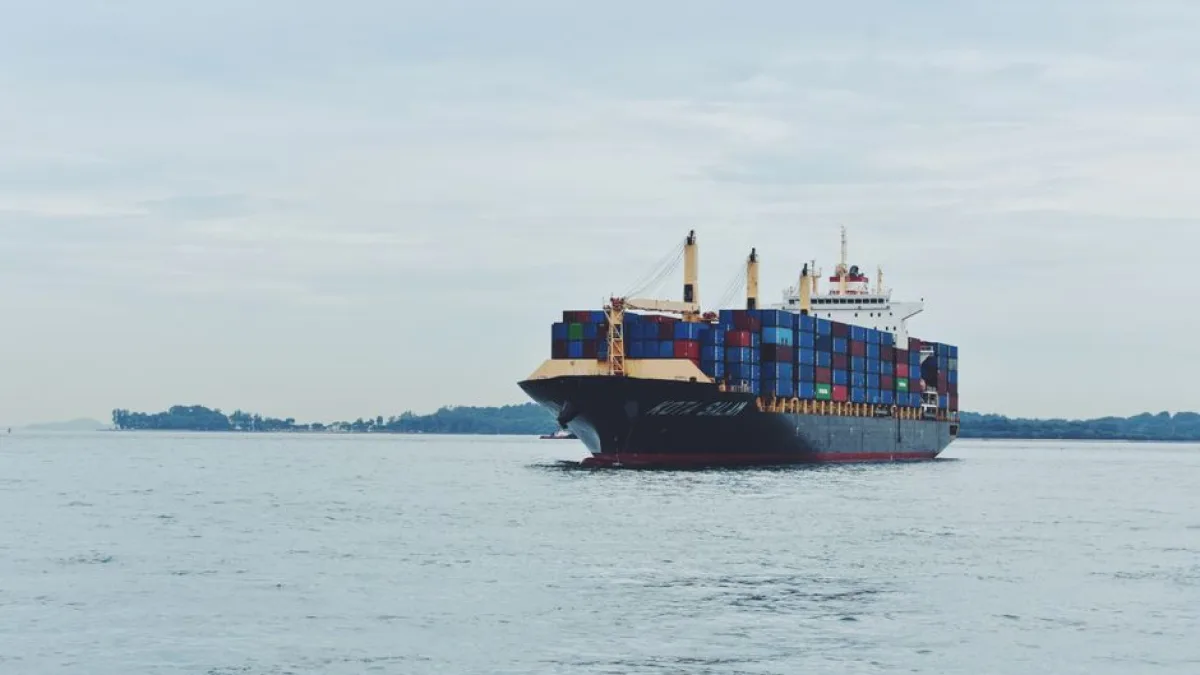
Mastering modern freight forwarding requires a commitment to digital tools that enhance visibility and streamline complex daily operations. By implementing automated workflows and leveraging cloud technology, your team can exceed client expectations while reducing operational costs significantly. Focus on building strong carrier relationships and utilizing real time data to drive smarter business decisions, ensuring your firm stays ahead of the rapidly changing global market.