Optimizing Freight Forwarding Operations for Scalability
Tuesday, September 29 2026
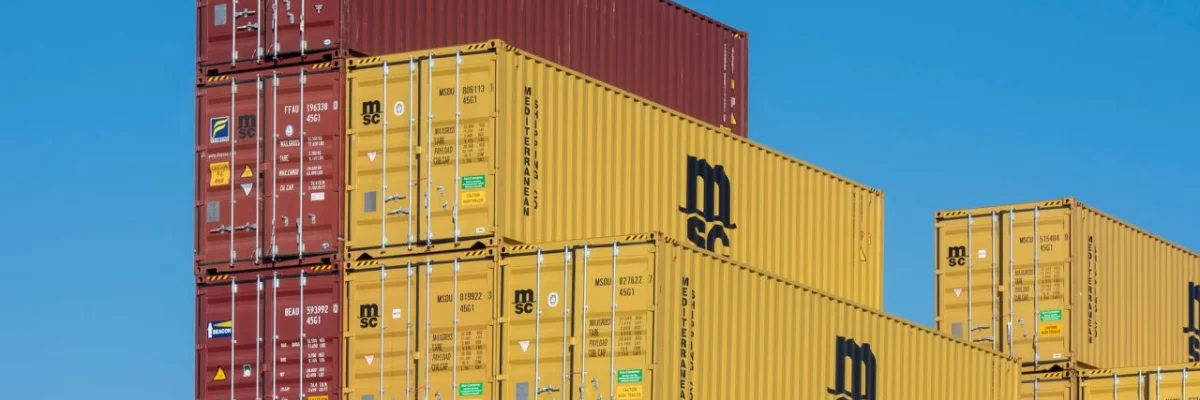
The global logistics landscape is changing at an unprecedented pace, demanding that modern freight forwarders move beyond manual processes and legacy systems. As shipment volumes grow and client expectations for real-time visibility intensify, the shift toward cloud-based technology is no longer optional for those aiming to maintain a competitive edge. Adopting a unified platform allows your team to automate tedious administrative tasks, reduce human error, and focus on delivering exceptional value to your partners. By leveraging data-driven insights and integrated digital tools, your logistics firm can unlock operational efficiency, enhance customer loyalty, and ultimately scale your business growth across international markets.
Streamlining Your Digital Workflow

Transitioning from spreadsheets to a digital freight management platform transforms your daily workflow by centralizing fragmented communications. This shift creates a single source of truth for your team, allowing for seamless coordination between agents, shippers, and carriers in every shipment cycle.
- Centralized shipment tracking: Consolidate every tracking update into one intuitive dashboard so that your operations team spends less time manually inputting data and more time resolving critical transit delays.
- Automated document handling: Utilize automated systems to generate essential bills of lading and commercial invoices, ensuring that your paperwork remains accurate, compliant, and ready for rapid customs clearance.
- Cloud based access: Enable your team members to securely access vital shipment data from anywhere in the world, which fosters collaboration and improves response times for international partners.
- Integrated communication channels: Connect with customers through a dedicated portal to minimize endless email threads, ensuring that all shipment messages are logged accurately and remain accessible for future review.
By removing the friction of manual data entry, your staff can finally dedicate their energy to proactive problem solving rather than administrative firefighting. This digital transition effectively standardizes your internal processes, which serves as a foundation for sustainable growth. When systems operate without constant manual intervention, your entire organization gains the ability to handle larger volumes while maintaining a high level of operational precision.
Mastering Real Time Visibility
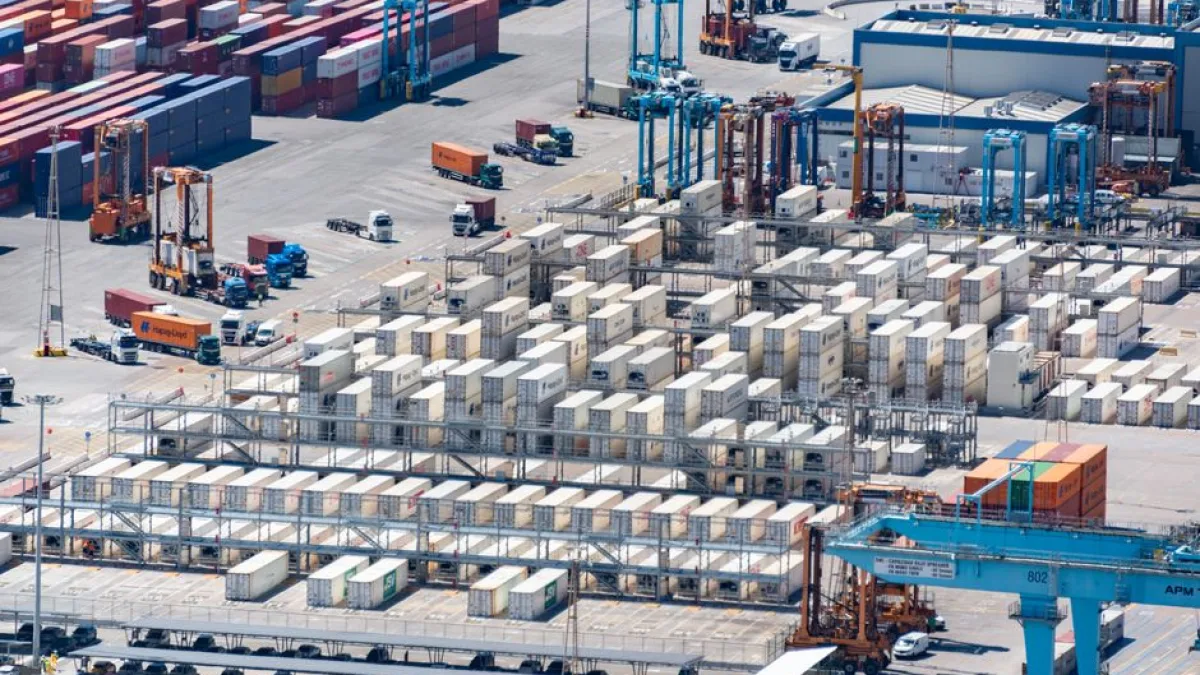
Providing clients with live updates on their cargo location is now the standard requirement in the logistics industry. Utilizing advanced tracking technology builds immense trust with your customers by offering them total transparency throughout the complicated international shipping journey.
- Live tracking updates: Integrate your software with global carrier networks to provide your clients with accurate status updates that refresh automatically as goods move through the supply chain.
- Proactive delay alerts: Set up automated notifications for your customers the moment a potential transit delay occurs, allowing them to manage their own inventories with much greater confidence.
- Enhanced client portals: Grant your shippers exclusive access to a professional portal where they can monitor their own cargo status, which reduces unnecessary inquiries directed to your team.
- Data driven reporting: Analyze historical performance metrics using your platform to identify recurring bottlenecks, empowering you to suggest optimized routes that save your clients both time and money.
Superior visibility transforms a standard shipping service into a premium logistics experience that customers are willing to pay for. When clients can see exactly where their freight is located at any moment, they feel empowered and informed. This transparent approach significantly reduces the pressure on your support staff, allowing them to focus on high-level strategic tasks instead of answering repetitive shipment inquiries.
Ensuring Financial Accuracy

Maintaining precise financial records is the backbone of a successful freight forwarding business. Automating your billing processes helps you avoid costly errors and ensures that every invoice you send is accurate, professional, and delivered to your clients on time.
- Automated invoice generation: Create and send professional invoices immediately upon shipment completion, which improves your cash flow and reduces the time your team spends on manual accounting.
- Integrated currency management: Handle multiple international currencies within your software to prevent calculation errors and ensure that your financial reporting stays consistent across all your global operations.
- Real time auditing: Review financial transactions as they happen within the platform, making it much easier to catch discrepancies early and maintain a healthy profit margin consistently.
- Customizable payment terms: Set up specific payment structures for each of your unique clients to ensure your accounts receivable processes remain efficient and tailored to each individual agreement.
Accurate billing cycles are essential for maintaining a positive relationship with your partners and ensuring your company remains profitable. By utilizing software that links shipment milestones directly to financial records, you eliminate the risk of missed charges or billing oversights. This level of financial rigor allows you to forecast your revenue more effectively and invest in future improvements for your expanding logistics company.
Building Strong Carrier Partnerships

Your success as a forwarder depends heavily on the strength of your carrier network. Building solid relationships requires reliable coordination and a digital platform that makes it easy for carriers to work with your organization on a consistent basis.
- Digital booking portals: Allow your preferred carriers to submit schedules and booking requests through a simple interface, which significantly reduces the administrative burden on your internal staff members.
- Performance tracking tools: Monitor carrier performance metrics including transit times and reliability, which helps you choose the right partners for specific lanes based on actual historical data.
- Simplified document exchange: Share necessary documents with carriers digitally to ensure that every partner in your supply chain is always synchronized and using the most current version.
- Automated payment processing: Streamline your carrier settlement processes to ensure that your partners are paid promptly, which encourages long term loyalty and helps you secure better rates.
Strong carrier relations provide your firm with increased flexibility and better capacity management, especially during periods of high market volatility. By using a digital platform to simplify coordination, you become a partner of choice for leading carriers in the industry. Investing in these digital relationships creates a resilient network that can withstand global disruptions while providing your clients with reliable and cost effective shipping options.
Conclusion

Scaling a freight forwarding business requires a combination of technology and clear operational focus. By automating your daily tasks, providing total visibility to clients, and fostering strong carrier partnerships, your firm can thrive in a crowded market. Start your transformation today by evaluating how your current systems support your long term growth goals. Better logistics starts with better tools for your team.