Optimizing Freight Forwarding Operations for Scalability
Wednesday, September 30 2026

The modern logistics landscape demands unprecedented levels of agility and digital integration to remain competitive. Freight forwarders are increasingly tasked with managing complex supply chain disruptions while simultaneously driving operational cost reductions. By adopting cloud based platforms, logistics professionals can centralize fragmented data streams and achieve real time visibility across global networks. This evolution is not merely a technological upgrade but a fundamental shift in business strategy. Emphasizing automation, data driven decision making, and seamless communication allows forwarders to move beyond manual processes. Ultimately, these practices establish a robust foundation for sustainable growth, improved client satisfaction, and long term industry dominance.
Leveraging Automated Workflow Solutions

Automating repetitive administrative tasks allows your team to redirect their focus toward high value activities. When routine document processing is managed by intelligent software, the frequency of human error decreases while speed and operational throughput increase significantly across your entire department.
- Eliminate manual entry: Implementing software that automatically captures data from bills of lading minimizes mistakes and drastically reduces the time spent on repetitive typing and verification tasks daily.
- Standardize documentation processes: Creating uniform digital templates ensures that every shipment file follows the same rigorous format, which simplifies compliance audits and improves internal team collaboration results.
- Trigger automated notifications: Set up event based alerts to inform customers automatically about status changes, reducing the volume of inbound status inquiries your team handles weekly.
- Integrate carrier APIs: Connecting directly to carrier systems allows for instantaneous booking confirmations and real time tracking updates, removing the need for manual status checks altogether.
- Sync accounting software: Linking your freight management platform with financial tools ensures that invoices are generated accurately as soon as cargo arrives at destination points.
By shifting to automated workflows, you create a scalable environment where your staff can handle increased shipment volumes without expanding headcount. This efficiency gain is critical for maintaining healthy profit margins in a volatile market. As technology matures, the ability to automate routine operations becomes a baseline expectation for clients, positioning your forwarder as a reliable and professional choice for their global logistics needs.
Enhancing Real Time Supply Chain Visibility
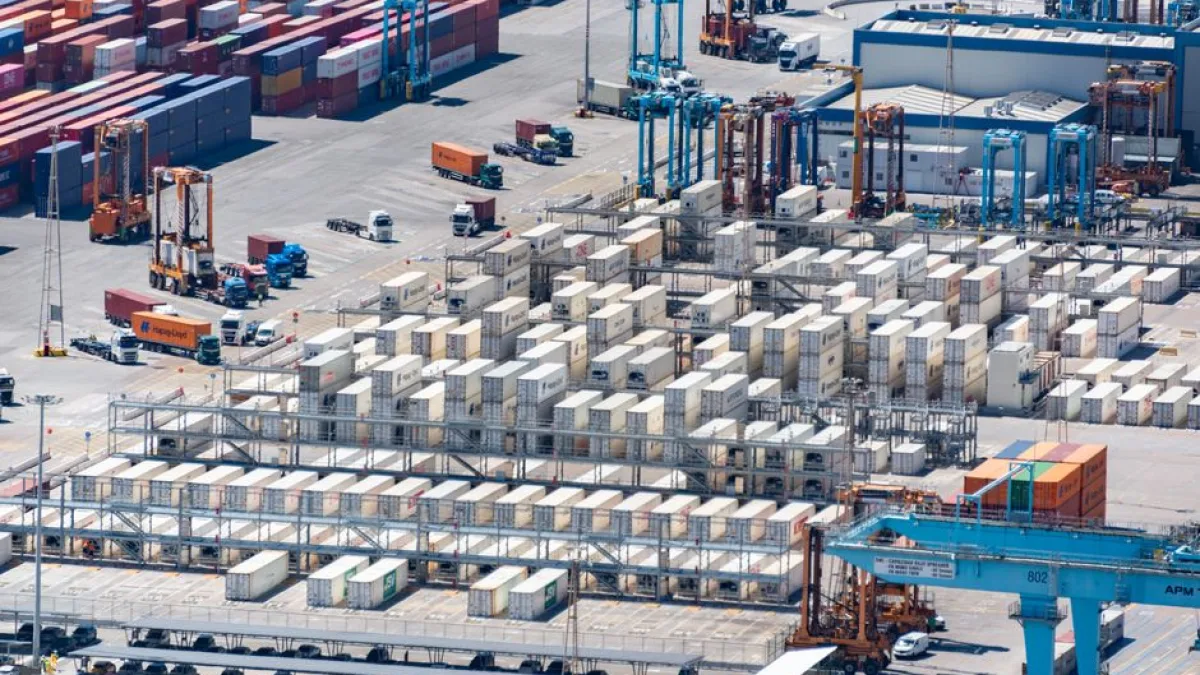
Providing clients with live tracking capabilities builds immense trust and transparency. Today's shippers expect instant updates regarding their cargo status, and meeting this demand requires a reliable cloud system that feeds information from multiple international carrier partners directly into one dashboard.
- Centralize tracking data: Consolidate updates from sea, air, and road partners into a single interface to provide clients with a comprehensive view of their active shipments.
- Proactive exception management: Use real time alerts to identify delays immediately, allowing your team to communicate solutions to clients before they even realize a problem exists.
- Improve partner collaboration: Share secure links with local agents and transporters, ensuring that everyone involved in the chain has access to the same updated information.
- Visual map tracking: Utilize digital mapping tools that show the exact location of vessels or trucks, helping clients plan their inventory arrivals with much greater precision.
- Historical data analysis: Archive tracking logs to evaluate carrier performance over time, which supports better decision making when selecting partners for future shipping requirements.
Visibility is no longer a luxury but a core service offering that distinguishes leaders from laggards. When you empower clients with a self service portal, you improve transparency and reduce the administrative burden on your customer service representatives. This proactive approach to data transparency fosters stronger, long lasting relationships with shippers who value reliability and clear communication in their logistics provider partnerships.
Strengthening Data Security and Compliance

Protecting sensitive client information is essential in the digital age. As freight forwarding transitions toward cloud based storage, maintaining strict security protocols ensures that proprietary data and trade documents remain safe from unauthorized access while staying fully compliant with international regulations.
- Enable role permissions: Configure granular access settings so that employees only view documents necessary for their specific job functions, enhancing internal control and data safety.
- Implement encryption standards: Ensure your cloud platform uses modern encryption for data at rest and in transit, which prevents potential leaks during the digital transmission process.
- Regular system backups: Maintain redundant cloud backups to ensure that all critical shipment data remains recoverable in the event of hardware failures or cyber threats.
- Automate compliance checks: Utilize software that verifies trade documents against current international trade sanctions and regulations to prevent legal issues during complex cross border shipments.
- Document audit trails: Keep detailed records of every user action within the software, providing a clear history that proves accountability and enhances internal security governance protocols.
Prioritizing data security shields your business from costly liability and reputation damage. By investing in a secure infrastructure, you provide peace of mind to your clients and partners alike. Furthermore, rigorous compliance processes streamline the customs clearance experience, helping your shipments move through borders without unnecessary scrutiny or delays. Secure data management is a key pillar of modern digital logistics operations.
Cultivating Collaborative Partner Networks

The success of any freight forwarder depends on the strength of their global network. Digital collaboration tools bridge the gap between regional offices and local agents, fostering a unified team environment that functions efficiently despite being spread across different time zones and continents worldwide.
- Shared digital workspaces: Use cloud based project rooms where your team and agents can upload documents, chat about specific shipments, and resolve issues in real time.
- Unified communication logs: Keep all correspondence related to a single container or shipment in one place, ensuring everyone has context during staff turnover or handovers.
- Standardized performance metrics: Evaluate the performance of your overseas agents using objective data from your platform, which encourages high quality service across your entire partner network.
- Efficient rate sharing: Distribute new pricing and service capacity updates instantly through the platform, ensuring your team always has the most accurate information for quoting.
- Joint resolution workflows: Implement workflows where agents can submit support tickets for urgent cargo issues, ensuring those problems reach your office for immediate managerial attention.
Effective collaboration turns your global network into a cohesive unit that provides seamless service to every client. When communication is centralized and documented, the risk of misinterpretation vanishes, leading to smoother handoffs and fewer operational hiccups. Investing in tools that unite your global team will yield significant rewards in terms of operational speed, service consistency, and overall partner network reliability and productivity.
Conclusion

Adopting advanced digital tools and refined operational practices is essential for the modern freight forwarder. By focusing on automation, visibility, security, and global collaboration, you can overcome industry challenges while setting your business up for sustainable growth. Start evaluating your current processes today to identify which manual tasks can be moved to the cloud. MakeCargo is here to help you lead the future of logistics.