Optimizing Freight Forwarding Operations for Modern Global Trade
Saturday, October 3 2026

The global logistics landscape is undergoing a massive transformation driven by rapid digitization and shifting trade demands. Freight forwarders today face the challenge of managing complex supply chains while maintaining profitability amidst fluctuating market rates and tighter delivery windows. To remain competitive, professionals must transition from manual, paper-heavy workflows to integrated cloud-based systems. By centralizing operations and leveraging real-time data, companies can enhance visibility, reduce costly human errors, and provide superior service to their clients. Embracing these technological shifts is no longer a luxury but a fundamental requirement for forwarders aiming to thrive in the modern era.
Streamlining Documentation Workflows

Digitizing your documentation process is the first step toward achieving operational excellence. By moving away from manual data entry and disjointed email chains, your team can accelerate processing times and drastically reduce the risk of critical errors occurring during customs clearance.
- Centralized Document Storage: Utilize cloud platforms to keep all shipping documents in a single location, allowing team members to access vital information from anywhere without wasting time searching through archives.
- Automated Data Capture: Implement intelligent systems that automatically pull information from invoices and packing lists to populate your core management software, ensuring consistent data accuracy across all shipments.
- Standardized Filing Systems: Establish uniform naming conventions and folder structures across your organization to ensure that every shipment file remains organized, searchable, and compliant with international record keeping standards.
- Secure Cloud Sharing: Replace insecure email attachments with secure client portals that facilitate real-time document sharing while maintaining strict access controls to protect sensitive cargo and client data.
Adopting a robust digital document strategy allows your agency to move faster than your competitors. When data flows seamlessly between departments, you eliminate the bottlenecks that typically stall international shipments. This transition reduces administrative labor hours by a significant margin, enabling your staff to focus on high-value tasks like customer relationship building, which ultimately improves your bottom line and strengthens your service delivery reputation.
Leveraging Real-Time Cargo Tracking
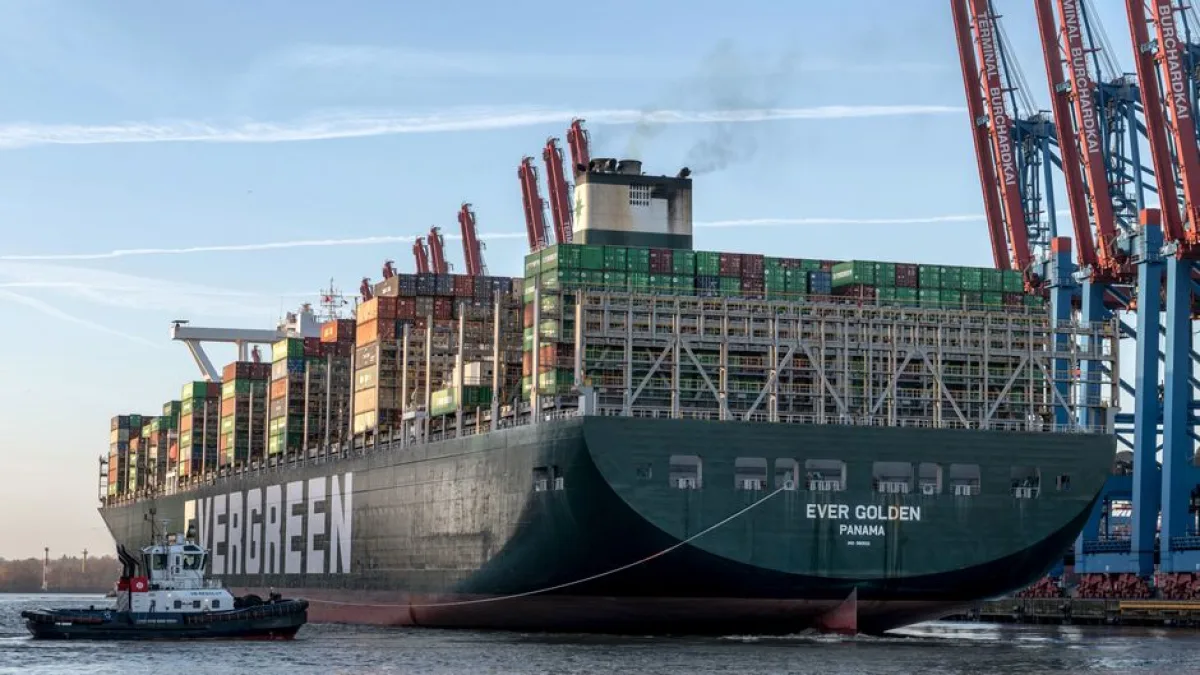
Modern customers demand complete transparency regarding their cargo location and status throughout the transport lifecycle. Providing real-time tracking updates helps build long-term trust, reduces manual inquiry volumes, and allows you to proactively manage potential disruptions before they impact your clients.
- Automated Milestone Notifications: Configure your software to send automatic updates to customers whenever a shipment reaches a major transit point, keeping them informed without requiring constant manual outreach efforts.
- Integrated Carrier Feeds: Connect your management platform directly with major shipping lines and airlines to pull live status updates, eliminating the need to check multiple carrier websites daily.
- Proactive Issue Resolution: Utilize dashboard alerts to identify delayed vessels or customs holds immediately, allowing your operations team to contact clients and offer alternative solutions before problems escalate.
- Interactive Client Portals: Give your customers 24/7 access to their shipment dashboard, reducing the high volume of routine status inquiries that distract your staff from core operational duties.
Empowering your clients with visibility tools transforms their perception of your freight forwarding service. When customers can see exactly where their goods are at any moment, your team spends less time answering status emails and more time managing exceptions. This shift improves overall customer satisfaction while drastically reducing the operational overhead associated with managing repetitive inquiries in a busy logistics environment.
Enhancing Financial Control Accuracy

Precise financial management is the backbone of any successful freight forwarding firm. By integrating your billing and accounting modules with your operational software, you ensure that every service rendered is captured correctly, preventing revenue leakage and maintaining healthy cash flow for your business.
- Automated Invoice Generation: Link your operational shipments directly to your accounting module to generate accurate invoices instantly, ensuring that all surcharges and fees are correctly calculated every time.
- Real-Time Profit Analysis: Monitor the profitability of every shipment or client account through dynamic reporting tools that track actual expenses against quoted rates in your system dashboard.
- Streamlined Expense Tracking: Simplify the process of recording vendor costs and carrier invoices by using digital matching tools that verify charges against original quotes to prevent overbilling.
- Comprehensive Financial Reporting: Generate detailed monthly reports to identify high margin trade lanes or profitable clients, allowing you to make data-driven decisions that grow your company revenue.
Financial clarity provides the insights needed to navigate the volatile pricing environment of global logistics. When your billing is tightly integrated with your operational data, you avoid the common trap of missing costs or delayed invoicing. Maintaining this level of precision ensures you stay profitable while offering transparent pricing to your customers, effectively turning your financial operations into a true competitive advantage.
Building Stronger Carrier Partnerships
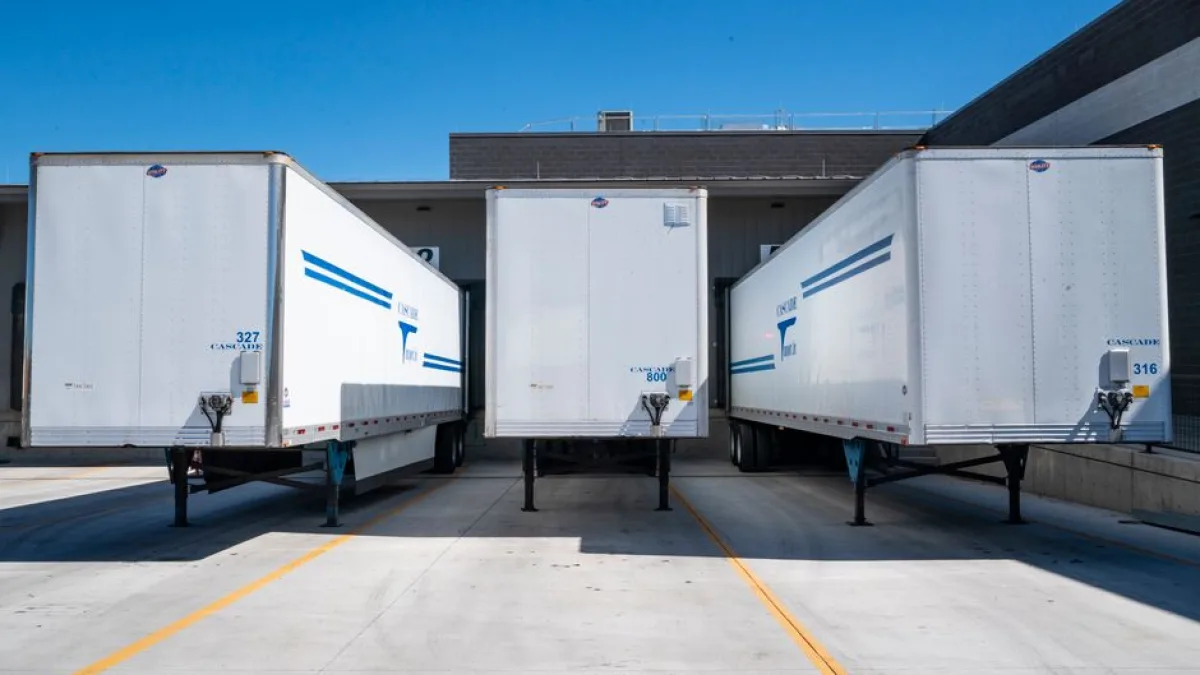
Strong relationships with carriers ensure that you maintain capacity during peak seasons and secure the best possible rates for your clients. By using technology to manage these partnerships, you become a more reliable partner, which in turn leads to better service levels and prioritized cargo handling for your customers.
- Structured Rate Management: Use digital tools to upload and organize carrier contracts, making it easy for your team to quickly compare rates and choose the best route.
- Performance Benchmarking Tools: Track carrier performance metrics such as transit time and reliability, enabling your team to select the best vendors for specific trade lanes or clients.
- Efficient Communication Channels: Utilize centralized communication logs to keep track of all interactions with carriers, ensuring that important agreements or changes in shipping schedules are never forgotten.
- Collaborative Planning Efforts: Share shipment volume projections with your key carriers to help them allocate space efficiently, which encourages them to prioritize your freight during periods of capacity crunch.
Cultivating deep partnerships with carriers creates a resilient supply chain that benefits all parties involved. When you communicate clearly and manage your data professionally, carriers see you as an essential business partner rather than just another customer. This relationship-first approach results in more stable shipping rates and better overall service, helping you maintain a consistent quality of service for your end-clients.
Conclusion

Refining your freight forwarding operations requires a commitment to digital tools and process efficiency. By streamlining documentation, providing transparent tracking, managing finances with precision, and fostering carrier relationships, you build a sustainable foundation for growth. Start implementing these best practices today to simplify your complex logistics tasks, reduce operational friction, and deliver superior results that will keep your customers returning to your business.