Optimizing Freight Forwarding Operations for Scalability
Tuesday, October 6 2026
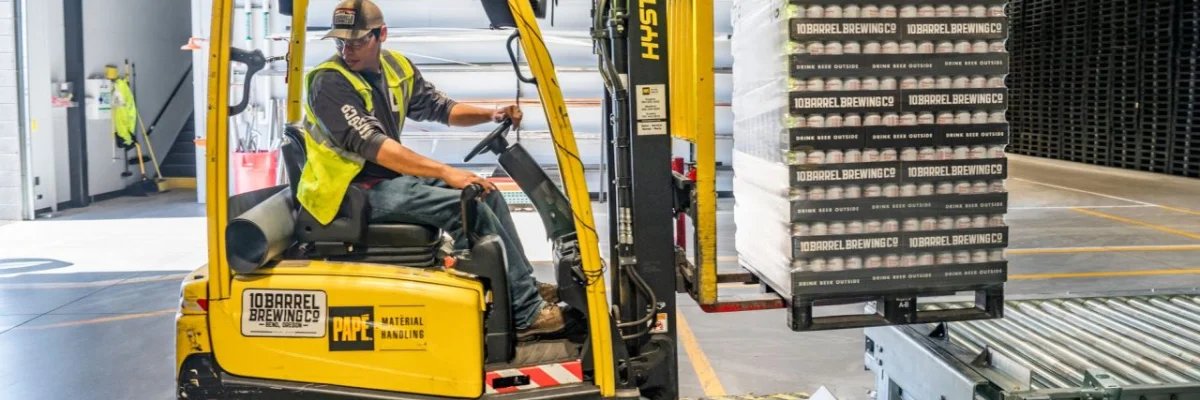
The global logistics landscape is undergoing a massive transformation driven by rapid digitization and heightened client expectations. As freight forwarders manage increasingly complex supply chains, the ability to maintain operational agility becomes a competitive advantage. Professionals who embrace modern cloud-based tools can significantly reduce manual errors and overhead costs while enhancing overall visibility. By focusing on streamlined workflows and robust communication, forwarders can successfully navigate market fluctuations. This article explores essential strategies designed to help your freight forwarding business scale effectively, improve service quality, and ensure long-term profitability in a challenging, fast-paced international market environment.
Streamlining Documentation Workflows

Effective document management remains the backbone of successful freight operations. By automating the capture and processing of shipping documents, teams can eliminate redundant manual data entry, reduce the risk of human error, and accelerate the entire clearance cycle for global shipments.
- Automate data entry: Utilize advanced OCR technology to scan and extract critical information directly from bills of lading or invoices, saving your team hours of manual processing time weekly.
- Centralized document repository: Store all shipping documentation in a secure cloud environment to ensure that every team member has real-time access to the latest files without delay.
- Standardized digital templates: Implement uniform document templates across all departments to ensure consistency and compliance with international trade regulations, effectively minimizing potential delays at customs checkpoints worldwide.
- Automated status notifications: Trigger automatic alerts for clients whenever a document is uploaded or updated, fostering transparency and trust through proactive communication about their cargo shipping progress.
Optimizing your documentation workflow is not just about speed, it is about creating a reliable system that empowers your team. When data flows seamlessly between systems, your staff can focus on high-value tasks like client relationships and strategic problem solving. Investing in these digital efficiencies reduces operational bottlenecks and creates a solid foundation for handling higher shipment volumes as your business continues to grow steadily.
Enhancing Real-time Shipment Visibility

Providing clients with live updates is no longer a luxury but a fundamental necessity. Advanced tracking dashboards offer deep insights into cargo movement, helping you manage expectations and resolve potential delays before they escalate into significant issues for your global customers.
- Live tracking integration: Connect your software directly with carrier APIs to provide clients with accurate, up-to-the-minute updates regarding the exact location of their shipments during transit.
- Proactive exception management: Set up automated triggers that notify your operations team immediately if a shipment encounters an unexpected delay, allowing for rapid intervention and resolution.
- Customer self-service portal: Provide your clients with a dedicated login area where they can view shipment statuses and download reports independently, which reduces incoming email inquiries significantly.
- Customizable reporting tools: Generate comprehensive reports for your high-volume clients to show them carrier performance metrics and delivery times, helping them optimize their own internal inventory management.
True visibility builds stronger partnerships by proving your commitment to accountability. When you share accurate information, you become a trusted consultant rather than just a service provider. These tools allow you to manage complex logistics networks with confidence while ensuring your clients stay informed. Embracing these technological advancements will differentiate your brand from competitors who still rely on slow, outdated manual tracking processes.
Optimizing Carrier Selection Strategies
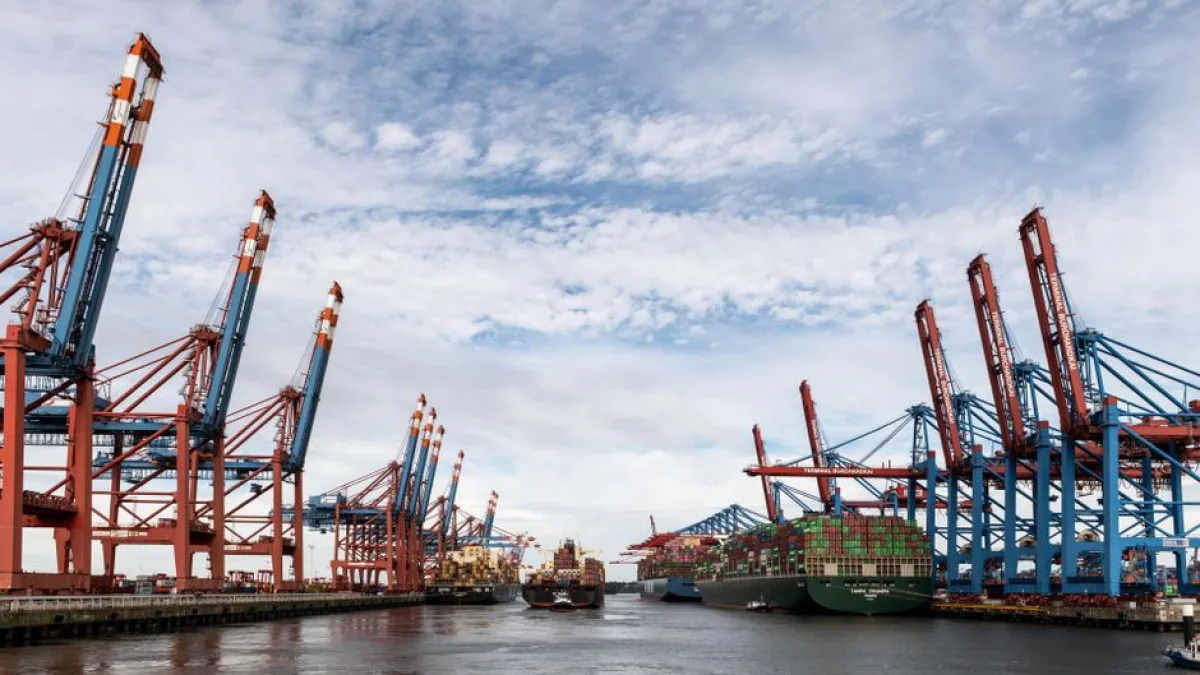
Selecting the right carriers requires a perfect balance between cost, speed, and reliability. By leveraging data analytics, freight forwarders can make smarter procurement decisions that align with client requirements while simultaneously maximizing profit margins on every single transport lane they manage daily.
- Analyze performance metrics: Review historical data on carrier transit times and reliability to identify which partners consistently meet deadlines and avoid those that frequently cause shipment delays.
- Dynamic rate comparison: Use integrated software tools to compare real-time freight quotes across multiple carriers, ensuring that you always select the most cost-effective option for clients.
- Strengthen partner relationships: Utilize your performance data to negotiate better rates and service level agreements with your top-performing carriers, creating a mutually beneficial partnership for long-term growth.
- Maintain diverse networks: Build a robust network of secondary carriers to ensure you have reliable backups during peak seasons or when primary shipping lanes face sudden disruptions.
Strategic carrier management is essential for maintaining healthy profit margins while delivering top-tier service. When you base your decisions on factual performance data rather than intuition, you reduce risk and improve your overall operational consistency. A data-driven approach to procurement allows you to navigate volatile market conditions with ease, ensuring your clients receive the best value for their international freight logistics investment.
Improving Internal Communication Efficiency

Clear internal communication prevents costly misunderstandings and ensures that every department stays aligned on critical project milestones. Leveraging modern collaboration tools keeps your staff connected, regardless of their location, fostering a culture of teamwork and shared responsibility for client success.
- Unified communication platform: Transition away from scattered email chains by using a centralized task management system where teams can discuss specific shipment updates in one place.
- Clear task assignment: Assign specific responsibilities within your freight software to ensure that every team member understands their role in the shipment lifecycle to avoid confusion.
- Shared internal notes: Maintain internal logs for each shipment to capture important conversations or special client requests, ensuring that information is never lost during shift changes.
- Regular performance feedback: Use internal analytics to review team productivity and identify areas for improvement, helping staff members develop their skills and refine their daily workflows.
Effective collaboration is the secret ingredient to a smoothly run freight forwarding operation. By breaking down communication silos, you enable your team to react faster to market changes and client requests. A unified digital workspace not only boosts morale but also improves the quality of output, ultimately leading to higher client retention rates and a more streamlined, productive, and highly profitable business model.
Conclusion

Achieving excellence in freight forwarding requires a relentless focus on process improvement and the intelligent application of modern technology. By streamlining documentation, enhancing visibility, choosing carriers wisely, and fostering collaboration, you build a resilient business ready to scale. Implement these best practices today to simplify your operations, improve client satisfaction, and secure a dominant position in the evolving global logistics market landscape.