Optimizing Freight Forwarding Operations for Scalable Growth
Saturday, October 10 2026
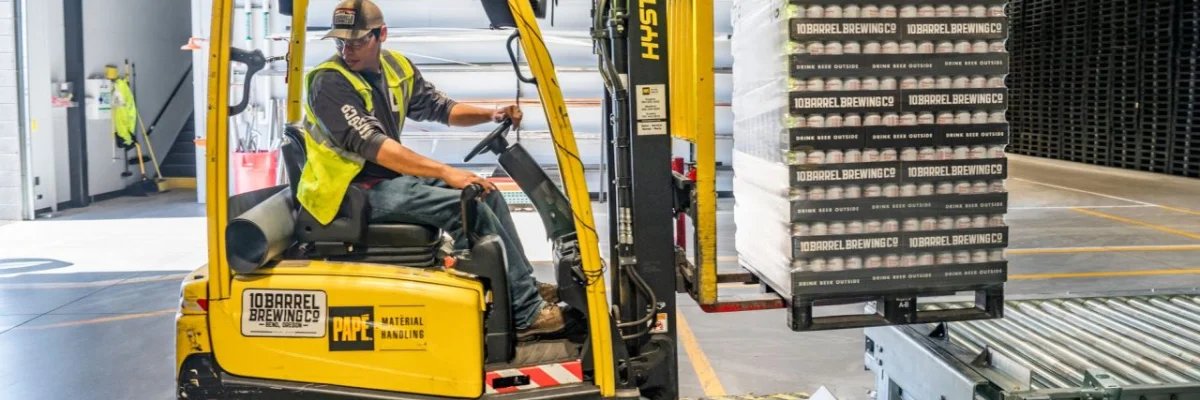
In the modern logistics landscape, freight forwarders face unprecedented pressure to increase transparency while maintaining thin margins. Manual data entry and disconnected communication channels often lead to costly delays and errors that hinder long-term growth. By leveraging cloud-based platforms, professionals can unify their operations and focus on delivering high-quality service to shippers. Success requires a commitment to digital transformation and the adoption of modern tools that automate repetitive tasks. This guide outlines essential strategies to streamline your workflow and enhance operational efficiency, ensuring your business stays competitive as global demand for fast, reliable freight forwarding continues to climb.
Mastering Digital Workflow Automation

Automation technology transforms how forwarders handle routine shipping tasks by eliminating repetitive manual data entry processes. By integrating smart software solutions, teams can reduce human errors and redirect valuable human capital toward complex problem solving and client relationship management strategies.
- Automated Documentation Generation: Speed up your billing and customs processes by automatically populating documents using existing shipment data, ensuring accuracy while reducing the time spent on tedious administrative paperwork tasks daily.
- Real-time Tracking Updates: Provide your customers with instant status notifications by automating communication flows, which effectively removes the need for time-consuming manual check-ins and frequent phone calls or emails.
- Smart Workflow Routing: Utilize intelligent routing systems that automatically assign shipment tasks to the right team members based on their expertise, current workload capacity, and specific regional operational requirements.
- Error Detection Algorithms: Implement automated validation checks to identify discrepancies in shipment details early in the process, allowing your team to resolve issues before they result in costly service failures.
Adopting these automated workflows is essential for scaling your business without adding excessive headcount. By reducing the reliance on manual inputs, your staff can focus on the strategic decisions that drive long-term revenue growth. This transition to digital-first operations creates a foundation for consistency, helping your team deliver reliable services while minimizing operational costs that previously impacted your company's overall bottom line profitability.
Enhancing Global Supply Chain Visibility
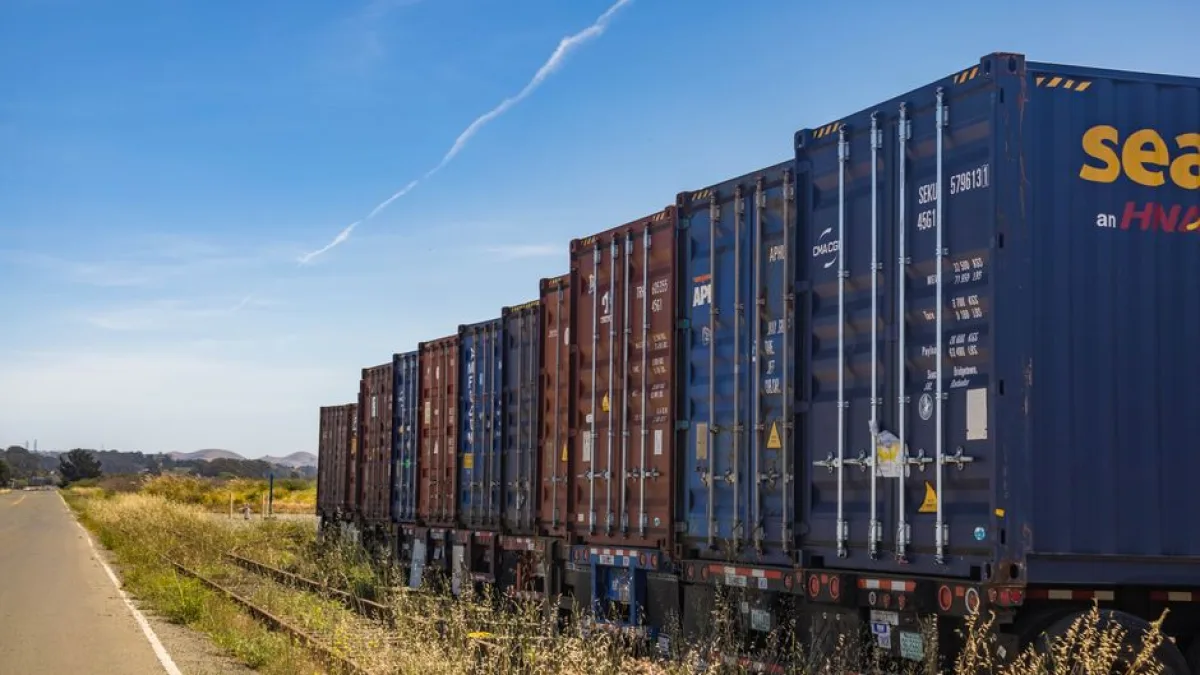
Real-time visibility acts as the backbone of modern freight forwarding, allowing companies to proactively manage disruptions before they impact end clients. Accessing precise location data enables teams to provide reliable timelines and maintain trust throughout the entire shipment lifecycle.
- Predictive Milestone Alerts: Receive proactive notifications regarding potential port congestion or carrier delays, giving your team sufficient lead time to adjust routing strategies and keep cargo moving efficiently forward.
- Integrated Carrier Data: Connect your platform with multiple carrier APIs to centralize tracking information into one accessible dashboard, providing a single source of truth for all stakeholders involved.
- Customized Client Dashboards: Empower your customers by granting them secure portal access to view their shipment progress, which significantly lowers the volume of status inquiries hitting your desk.
- Data-Driven Performance Insights: Analyze carrier reliability metrics over extended periods to identify the most efficient routes and partners, ensuring your business always selects the best logistical options available.
Improving visibility is not just about keeping clients informed, but also about building resilience into your operational strategy. When you have access to clear, accurate, and timely data, you make better decisions that protect your cargo from unforeseen external threats. This level of transparency differentiates your services in a crowded market and builds lasting relationships with shippers who value reliability above all else.
Optimizing Financial and Billing Processes

Effective financial management is critical to maintaining healthy cash flow in the fast-paced freight industry. Modern software platforms simplify complex billing cycles, ensuring that every shipment is accounted for and invoiced accurately to avoid revenue leakage and billing disputes.
- Automated Invoice Audits: Cross-reference carrier invoices against initial quotes automatically to detect overcharges or hidden fees, allowing your finance team to resolve discrepancies before finalizing any customer payments.
- Dynamic Currency Conversion: Handle international shipments with confidence by using built-in currency management tools that ensure accurate cost reporting regardless of the origins or destinations involved in trade.
- Centralized Payment Tracking: Consolidate all financial interactions into one platform to gain a clear view of your outstanding receivables, helping you manage cash flow more effectively and predictably.
- Integrated Accounting Modules: Synchronize your logistics platform with external accounting software to eliminate duplicate entries and ensure financial statements always reflect the latest operational realities of your business.
Streamlining the billing process reduces the time between service delivery and final payment, which is vital for maintaining healthy operations. By automating these financial tasks, you remove the risk of human oversight and ensure that your company remains profitable even during periods of heavy volume. Precise financial management allows your team to reinvest capital into growth areas rather than chasing down missed payments.
Fostering Strong Carrier Relationships

Building strong, reliable partnerships with global carriers is essential for securing space during peak seasons. Effective collaboration tools ensure that communication remains clear and consistent, which helps forwarders negotiate better rates and obtain priority service for their high-value shipping clients.
- Centralized Carrier Communication: Use unified messaging systems to keep all correspondence regarding specific shipments in one location, ensuring that no important details are ever lost across multiple platforms.
- Performance Reporting Loops: Share constructive performance data with your carrier partners to encourage service improvements, which fosters a culture of mutual accountability and leads to more reliable outcomes.
- Collaborative Dispute Resolution: Utilize shared platforms to resolve billing or operational disagreements quickly, preventing minor issues from escalating into major problems that could jeopardize your business partnerships.
- Streamlined Booking Requests: Send standardized booking requests through an integrated digital portal to save time and reduce the likelihood of miscommunication regarding shipment specifications or service requirements.
Strong carrier relationships serve as a competitive advantage that can protect your business during periods of global capacity shortages. When you position yourself as an easy-to-work-with partner, carriers are more likely to support your needs, granting you better access to space and equipment. This collaborative approach turns simple vendor transactions into long-term strategic assets that contribute to your ongoing operational success.
Conclusion

Implementing these best practices will elevate your freight forwarding operations, allowing for greater efficiency and improved profitability. By embracing automation, visibility, financial precision, and strong partnerships, you create a robust foundation for sustainable success. Start optimizing your workflows today with the right technology to ensure your team remains agile and competitive in a dynamic global market. Focus on continuous improvement to lead the industry.