Optimizing Freight Forwarding Operations for Modern Logistics Efficiency
Thursday, October 15 2026
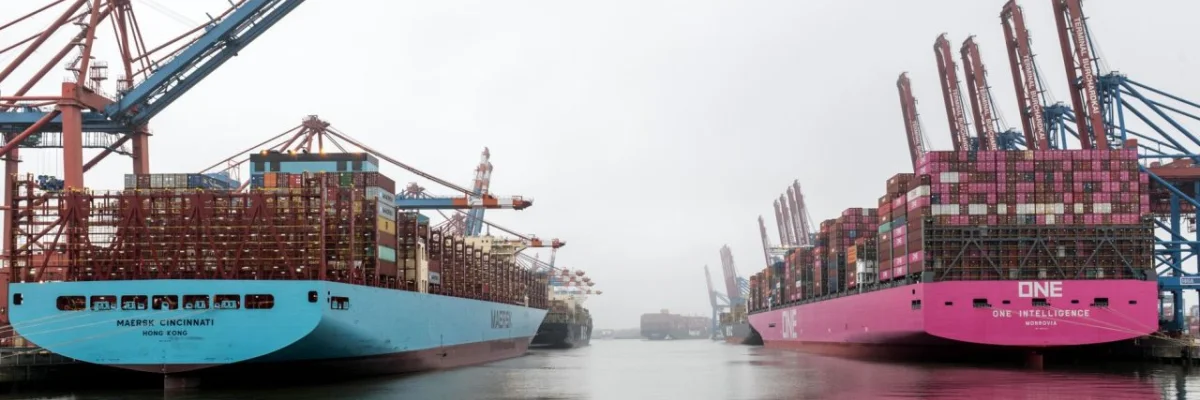
The modern logistics landscape demands unprecedented levels of precision and speed from freight forwarders who wish to remain competitive. As global supply chains grow more complex, manual processes often become a bottleneck that inhibits growth and reduces overall profit margins. By leveraging cloud-based software solutions, forwarders can gain real-time visibility into their shipments while simultaneously automating repetitive administrative tasks. This digital transformation is not merely an optional upgrade but a fundamental requirement for those aiming to scale operations efficiently. Adopting these advanced tools empowers logistics professionals to focus on strategic client relationships rather than getting lost in endless paper trails and data entry.
Digital Document Management Strategies

The transition from paper-based filing systems to digital management environments creates a more organized workplace. By digitizing documents, teams can instantly retrieve vital shipping manifests, invoices, and customs declarations from anywhere in the world without searching through cluttered physical file cabinets.
- Centralized Cloud Storage: Storing every single shipping document in one secure cloud location ensures that your global team members access the most current versions of critical files immediately.
- Automated Data Capture: Utilizing OCR technology allows your team to extract information from scanned documents automatically which minimizes manual entry errors and significantly speeds up processing times.
- Version Control Systems: Implementing strict versioning protocols prevents confusion by ensuring that all stakeholders are viewing the latest approved documents instead of outdated or incorrect file drafts.
- Secure Access Controls: Setting granular permissions for users ensures that sensitive cargo information remains protected while allowing authorized personnel to perform their daily duties without any delays.
- Audit Trail Tracking: Maintaining a comprehensive log of every document change provides complete accountability and transparency throughout the entire lifecycle of a complex international freight forwarding transaction.
Adopting a robust digital document management strategy transforms how your office handles daily operations. When information is readily accessible and accurate, the entire team experiences fewer delays and reduced stress levels. Investing time into structured organization today will pay massive dividends as your business grows and handles higher shipment volumes, ultimately leading to a more seamless experience for both your staff and your clients.
Automating Shipment Status Tracking

Real-time visibility is the cornerstone of trust in the logistics industry. Providing clients with accurate updates regarding their cargo status requires automated systems that pull data directly from carriers and port authorities to ensure that information remains consistently reliable and timely.
- Real Time Notifications: Sending automated alerts to clients whenever their cargo hits a major milestone keeps them informed throughout the journey without requiring manual status update emails.
- Integrated Carrier Portals: Connecting your software platform directly to carrier APIs pulls tracking status updates automatically into your dashboard to eliminate the need for manual status checks.
- Exception Management Alerts: Setting up automated warnings for shipment delays or customs holds allows your operations team to proactively resolve problems before clients notice any significant issues.
- Interactive Client Dashboards: Providing a dedicated portal for clients to view their own shipment status reduces the volume of status update requests your team handles daily.
- Customized Reporting Tools: Generating automated status reports on a weekly or monthly basis provides clients with valuable insights into their shipping performance and supply chain reliability.
Automation in tracking significantly elevates the level of service you provide to your customers. By removing the guesswork from shipment monitoring, you establish your business as a reliable and transparent partner. This proactive approach to communication reduces administrative labor for your team and builds lasting loyalty with clients who value timely and accurate information regarding their critical global freight movements every day.
Optimizing Customs Compliance Workflows

Navigating the intricate maze of international customs regulations is a major challenge for any freight forwarder. Developing standardized workflows that incorporate compliance checks ensures that every shipment meets regulatory requirements, thereby avoiding costly penalties, unexpected detention fees, or dangerous shipment seizures.
- Regulatory Update Integration: Automatically updating your system with the latest tariff codes and compliance rules ensures that your documentation remains accurate regardless of changing international trade policies.
- Pre-filing Validation Checks: Running automated checks against customs requirements before submitting filings helps identify missing information or incorrect declarations that could otherwise lead to expensive shipping delays.
- Standardized Filing Templates: Using pre-configured templates for common commodity types reduces the time spent on repetitive customs entry tasks and minimizes risks associated with human manual errors.
- Compliance Audit Logs: Recording every compliance action taken by your team provides a solid defense during regulatory inspections and confirms that all procedures follow official trade guidelines.
- Electronic Submission Tools: Utilizing direct links to customs authorities for electronic document submission speeds up the clearance process and ensures that data moves securely between parties.
Managing customs compliance through automated workflows significantly mitigates risk for your logistics business. When your processes are consistent and verifiable, your team can handle complex international shipments with total confidence. Focusing on these high-level compliance standards allows you to avoid disruptive fines and maintain a clean reputation with authorities, which is essential for scaling your operations successfully in the global marketplace.
Enhancing Communication With Partners

Clear communication is the bridge that connects forwarders, carriers, and shippers. Moving away from scattered email chains and moving toward collaborative platforms creates a single source of truth for all project stakeholders, which prevents costly misunderstandings and ensures everyone stays aligned on goals.
- Collaborative Messaging Hubs: Using a built-in communication tool within your logistics software keeps all shipment-related discussions organized and accessible for anyone working on that specific client account.
- Shared Task Management: Assigning specific duties to team members or external partners through a shared platform ensures that no critical shipping task is ever overlooked or forgotten.
- Automated Status Updates: Configuring your system to send triggered messages to partners upon task completion keeps everyone updated without the burden of constant manual follow-up emails.
- Centralized Partner Profiles: Storing all contact details and preferred communication channels in a searchable database ensures your team reaches the correct person for every urgent issue.
- Feedback Loop Mechanisms: Implementing tools that allow for immediate partner feedback helps refine your operations and highlights areas where your logistics processes might need further improvement.
Effective communication strategies act as the backbone of every successful freight forwarding operation. By centralizing interactions and utilizing collaborative software, you create a professional environment that minimizes friction and maximizes efficiency. Strengthening these professional connections ensures that all parties work toward the same success, which ultimately improves service delivery times and increases your overall capacity for handling high-volume international shipping projects.
Conclusion
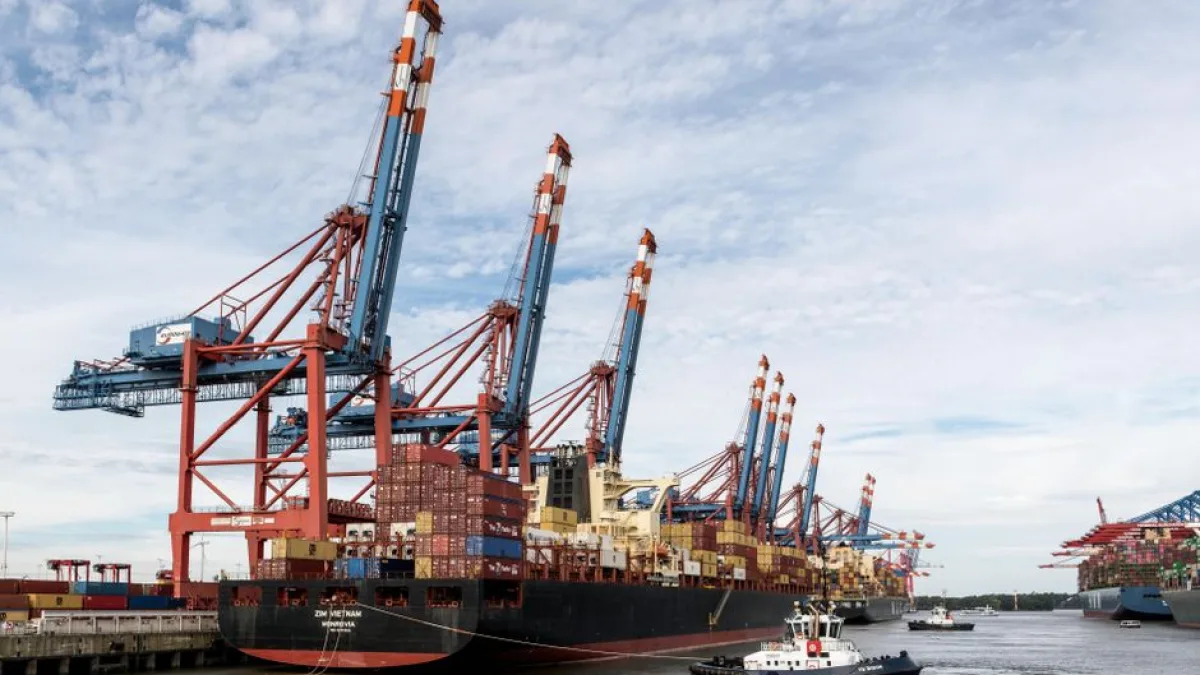
Refining your freight forwarding operations requires a blend of smart technology adoption and disciplined process management. By focusing on digital documentation, automated tracking, customs compliance, and streamlined communication, you set your business on a path toward sustained growth. Implementing these best practices will help you reduce manual labor costs and improve service quality, ensuring your firm stays ahead in an increasingly competitive logistics market.