Optimizing Freight Forwarding Operations for Modern Logistics
Monday, October 26 2026
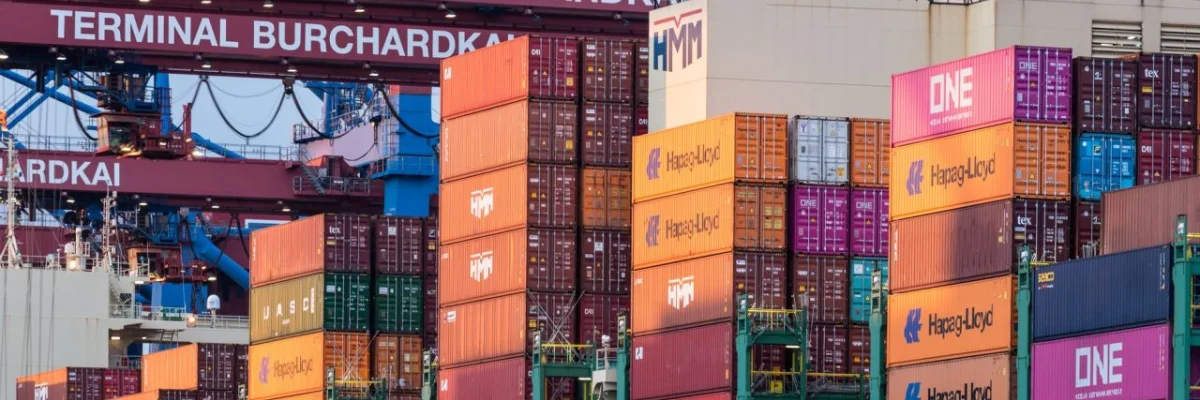
The global logistics landscape is changing rapidly as freight forwarders face increasing pressure to balance efficiency with client transparency. Modern shipping demands require more than traditional manual processes can offer, often leading to bottlenecks and communication errors that frustrate partners. By integrating advanced digital solutions, forwarders can reclaim lost hours and focus on strategic growth rather than repetitive administrative tasks. This guide outlines actionable strategies to modernize your freight forwarding workflows, ensuring your business stays competitive and responsive to the volatile nature of international supply chains. Implementing these refined practices will yield significant improvements in operational speed and overall client satisfaction scores.
Leveraging Automated Documentation

Automated documentation transforms how teams handle complex bills of lading and customs declarations, removing the risks associated with manual data entry. Digitizing these essential tasks ensures that information is standardized, accessible, and error-free throughout the entire shipping lifecycle for everyone involved.
- Eliminate manual entry: Use intelligent character recognition to extract data from incoming invoices, which significantly reduces human error and speeds up the verification process for your busy back-office teams.
- Centralize digital files: Maintain a secure cloud repository where all shipping documents reside in one location, ensuring your staff members access the most current versions without constant email threads.
- Automated compliance checks: Implement software that automatically flags missing fields or invalid customs codes before submission, preventing costly delays at border crossings and maintaining your good standing record.
- Standardize document templates: Create uniform templates for recurring shipments to ensure consistency across your network, which helps professionalize your documentation output and saves valuable time for your logistics coordinators.
Adopting automated document management shifts your operational focus from tedious typing to high-level decision making. By removing the friction associated with traditional paper trails, your team gains the capacity to handle increased shipment volumes without expanding headcount. This digital transition effectively builds a robust foundation for long-term scalability and operational excellence in a fast-paced environment where every second counts toward meeting critical delivery deadlines.
Enhancing Real-Time Visibility
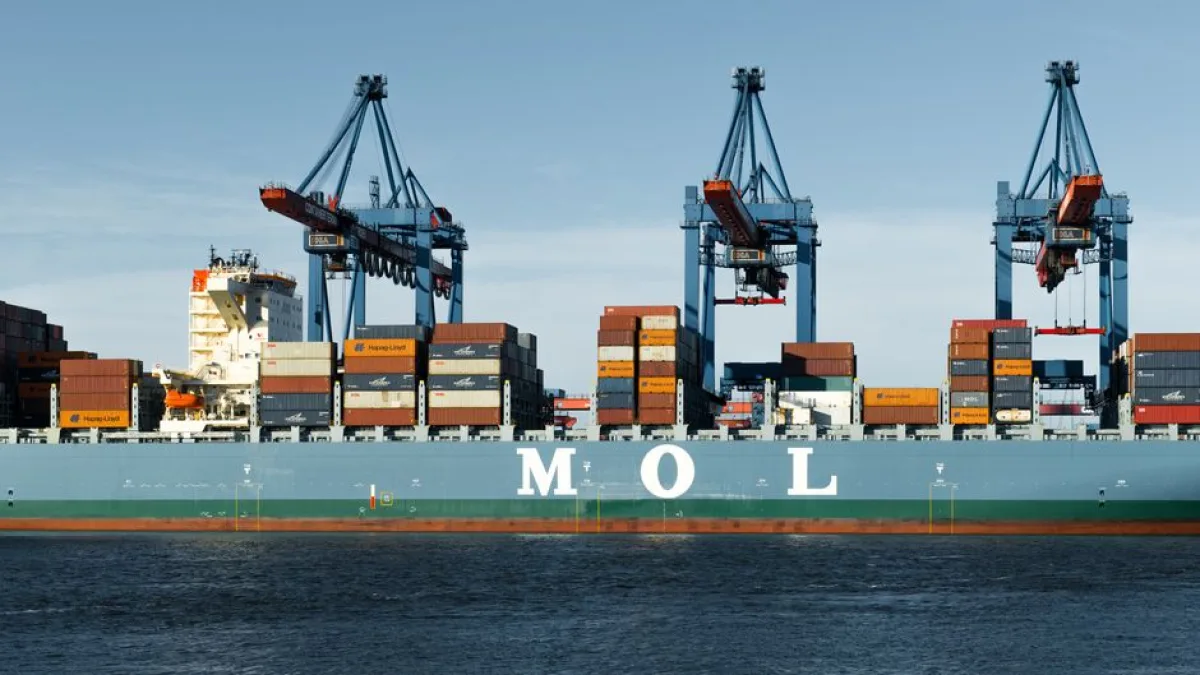
Transparency acts as the cornerstone of trust in the freight forwarding sector, requiring immediate access to accurate shipment status data. Clients today expect proactive updates rather than reactive inquiry responses, making real-time visibility tools essential for maintaining strong and long-lasting commercial partnerships.
- Provide live tracking: Offer your clients a branded portal where they monitor their own cargo status, which cuts down on status inquiry emails and empowers customers with data.
- Proactive delay alerts: Configure automated notifications to update clients when shipments face unexpected route changes or port delays, showing them you are on top of potential issues.
- GPS integration benefits: Connect your platform with carrier GPS data to provide precise location updates, which improves the accuracy of arrival time predictions for all stakeholders involved.
- Shared visibility portals: Grant secure access to agents and carriers within your network to ensure everyone is viewing the same real-time data to prevent costly miscommunications.
Delivering consistent visibility distinguishes your brand in a crowded market and improves client retention rates significantly. When you provide stakeholders with the ability to track their freight independently, you foster a sense of reliability and transparency. This strategic approach minimizes customer support overhead and positions your forwarding business as a modern partner capable of navigating today complex global trade requirements with ease and precision.
Streamlining Communication Channels

Effective communication remains the lifeblood of successful freight forwarding operations, as it connects diverse stakeholders across different time zones. Consolidating fragmented messaging platforms into a unified interface prevents critical information from falling through the cracks during the busy international transit process.
- Centralize all messaging: Move away from siloed email chains by using integrated communication tools that link specific conversations directly to individual shipment files for easier tracking later.
- Define clear protocols: Establish standardized internal communication procedures for handling urgent requests, ensuring that every team member knows exactly how to escalate issues before they become problems.
- Automate status updates: Use system-triggered notifications to keep your clients informed at every major milestone, which effectively reduces the total volume of routine check-in emails daily.
- Improve partner collaboration: Use shared workspaces for internal discussions about shipment routing, which allows your remote teams to coordinate efforts without relying on slow or outdated communication.
Refining your communication strategy reduces internal noise and sharpens your team focus on solving genuine logistical challenges. By creating a transparent environment where information flows freely and accurately, you eliminate the confusion that often causes delays in global transit. Efficient connectivity ensures that your staff remains agile, productive, and well-prepared to address client inquiries with confidence, speed, and deep operational expertise.
Optimizing Freight Cost Management

Managing costs effectively requires a granular view of every expense line item associated with a shipment, from carrier rates to port handling fees. Utilizing data analytics tools allows forwarders to identify cost-saving opportunities and maintain healthy profit margins while staying competitive in the shipping market.
- Automate rate comparisons: Utilize software that compares multiple carrier quotes instantly, allowing your team to select the most cost-effective routing options for each individual customer shipment requirement.
- Track vendor performance: Monitor the pricing consistency of your carrier partners to identify trends or deviations, which gives you leverage during future rate negotiations for shipping lanes.
- Audit expense invoices: Automatically verify carrier invoices against quoted rates to ensure you are never overpaying for services, which helps protect your company margins and bottom line.
- Analyze profit margins: Review shipment profitability reports regularly to understand which routes or cargo types yield the best returns, enabling smarter strategic planning for your entire organization.
Mastering cost management provides the financial stability needed to invest in further innovation and growth. By taking a data-driven approach to your expenses, you turn the complex task of financial reporting into a clear roadmap for improved profitability. Consistent monitoring of your cost structures ensures that your business remains resilient against market fluctuations and capable of delivering sustainable value to your clients.
Conclusion
Modernizing your freight forwarding operations is essential for staying relevant in an increasingly digital industry. By implementing automation, enhancing real-time visibility, streamlining communications, and mastering cost management, you create a robust framework for success. Start transforming your business processes today to achieve higher efficiency and client trust. MakeCargo provides the tools necessary to bridge the gap between traditional operations and future-ready logistics success.