Optimizing Freight Forwarding Operations for Better Profitability
Tuesday, October 27 2026
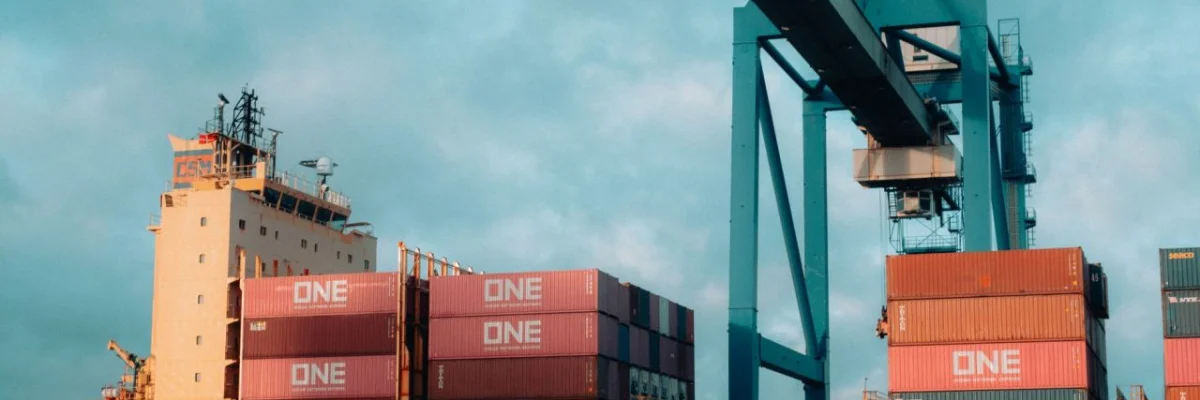
The global logistics landscape is undergoing a massive transformation as modern freight forwarders face increasing pressure to balance efficiency with cost control. Managing complex supply chains requires more than just manual spreadsheets or outdated legacy systems. By integrating cloud-based digital solutions, professionals can gain real-time visibility into every shipment while minimizing errors that lead to costly delays. Focusing on data-driven decision making and streamlined communication is the most effective way to improve your bottom line. This article explores essential strategies for forwarders aiming to scale their operations successfully in an increasingly competitive and fast-paced international trade environment today.
Mastering Digital Documentation Workflows

Moving away from paper-heavy processes is the first step toward achieving operational excellence. Digitizing your documentation workflow reduces physical storage needs and significantly speeds up the transit of critical paperwork between carriers, shippers, and customs authorities during the shipping process.
- Cloud document storage: Centralize all your shipping documents in a secure cloud environment to ensure that every team member can access updated files from any location across the world.
- Automated data entry: Utilize optical character recognition software to extract information from invoices and packing lists automatically, which helps eliminate human errors during the manual data entry phase.
- Standardized digital templates: Create uniform templates for bills of lading and commercial invoices to maintain consistent professional quality across all communications with your international freight shipping partners.
- Instant file sharing: Securely share documents with verified clients through your portal, reducing the reliance on email chains that often result in security gaps or outdated information versions.
Adopting a digital-first approach does more than just clean up your office desk. It creates a robust audit trail that is essential for compliance and transparency. By reducing the time spent on manual administrative tasks, your staff can shift their focus toward solving complex logistics problems. This transition results in faster billing cycles and improved customer satisfaction for your global client base.
Enhancing Real-time Shipment Visibility
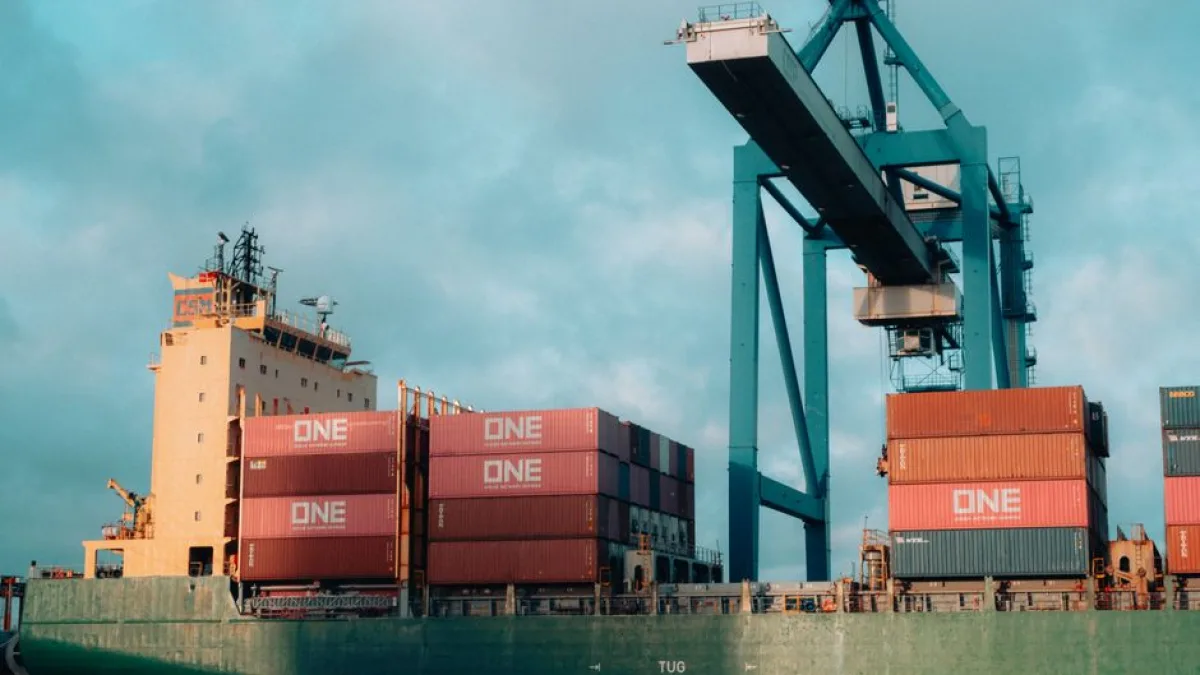
Providing clients with accurate, real-time tracking updates is a major competitive advantage in logistics. Leveraging live data feeds from ocean and air carriers allows you to proactively manage exceptions before they escalate into expensive delays for the customer.
- Integrated tracking APIs: Connect your software directly to carrier systems to receive automatic updates on vessel positions and cargo statuses without needing to visit multiple shipping portals.
- Proactive exception management: Set up automated alerts for delays or route changes so your team can notify customers immediately and provide alternative solutions to mitigate negative impacts.
- Interactive customer dashboards: Give your clients a dedicated portal where they can monitor their own shipments independently, reducing the volume of status inquiries hitting your support team.
- Historical performance metrics: Analyze historical tracking data to identify recurring bottlenecks with specific ports or carriers, allowing you to make smarter decisions for future cargo bookings.
Real-time visibility transforms the relationship you have with your shippers from transactional to strategic. When you can pinpoint exact shipment locations at any given moment, you demonstrate a level of professionalism that builds long-term trust. This transparency prevents the uncertainty that leads to panic. Ultimately, satisfied clients remain loyal because they feel informed and confident throughout the entire complex transportation lifecycle.
Strategic Carrier Relationship Management

Building strong partnerships with carriers is vital for securing space and favorable rates during peak seasons. Effective communication and transparent performance reporting turn carrier relationships into a powerful lever for your business growth and overall service stability.
- Regular performance reviews: Schedule quarterly meetings to discuss service levels, billing accuracy, and communication standards, ensuring that both parties are aligned on their goals and performance expectations.
- Centralized communication logs: Keep detailed records of every negotiation and agreement in your platform to avoid misunderstandings during disputes regarding surcharges or service failures over the long term.
- Collaborative rate negotiations: Share your volume forecasts early so that carriers can plan accordingly, which often leads to better space guarantees and more competitive spot market pricing.
- Carrier portal access: Invite your key partners to utilize a simplified portal for submitting updates, which reduces the back-and-forth email volume and improves overall coordination accuracy.
Strong carrier partnerships provide a buffer during market volatility. By investing time into these professional relationships, you gain access to priority space when capacity is tight. These deeper connections lead to faster resolution of claims and disputes, saving your company significant time and money. Investing in your carrier network is essentially an investment in the reliability and future success of your company.
Streamlining Financial and Billing Processes

Financial health depends on accurate and timely billing. Integrating your freight management platform with accounting software ensures that costs are captured immediately and invoices are sent to customers without the common delays associated with manual processing steps.
- Automated invoice generation: Trigger the creation of customer invoices as soon as milestones are reached, ensuring your cash flow remains positive throughout the duration of every single shipment.
- Multi-currency handling: Ensure your billing system can manage different currencies automatically, which reduces the complexity of international transactions and prevents errors related to fluctuating daily exchange rates.
- Cost and profit tracking: Monitor margins on every individual shipment in real time to understand which routes and services are truly profitable for your forwarding business today.
- Seamless software integration: Link your operational platform with your existing accounting suite to eliminate the need for double entry of data, thereby ensuring absolute financial data integrity.
Automating your financial processes reduces the risk of revenue leakage and payment disputes. When invoices are generated promptly and contain all necessary backup documentation, customers pay their balances much faster. This improved cash flow allows you to reinvest in your business and take advantage of new growth opportunities. Efficient billing is the backbone of a financially stable and highly sustainable freight forwarding enterprise.
Conclusion

Transforming your freight forwarding business requires a dedication to both technological adoption and process optimization. By digitizing workflows, improving shipment visibility, managing carrier relationships, and automating financial tasks, you position your company for long-term growth. Start implementing these best practices today to simplify your operations, reduce overhead costs, and deliver superior service to your clients. A more efficient future begins with modernizing your digital foundation.