Optimizing Freight Forwarding Operations for Better Profitability
Saturday, October 31 2026
The modern logistics landscape demands unparalleled precision and agility from freight forwarders who aim to stay competitive. As global supply chains grow increasingly complex, relying on outdated manual processes often leads to costly errors and operational bottlenecks. Digital transformation is no longer a luxury but a necessity for firms seeking to scale their operations effectively. By integrating advanced software solutions, logistics professionals can automate routine tasks, enhance communication across the global supply chain, and provide superior transparency to their clients. Embracing a data-driven approach allows for smarter decision making while ensuring that every shipment moves with maximum efficiency and reliability.
Mastering Digital Workflow Automation

Transitioning from manual data entry to automated workflows significantly reduces the risk of human error in your logistics operations. By adopting cloud-based platforms, teams can centralize information, ensuring that every stakeholder accesses real-time data to maintain consistent performance standards throughout the shipping lifecycle.
- Eliminate manual data: Reducing manual inputs saves hours of staff time each week, allowing your team to focus on high-value client relationships rather than repetitive administrative chores and document processing tasks.
- Centralize document storage: Keeping all shipping documents in one secure cloud portal prevents information silos and ensures that your remote teams can retrieve critical files quickly during busy shifts.
- Automate billing cycles: Integrated invoicing tools ensure that charges are captured correctly at every stage of the shipment, reducing delays in payment collection and improving your company cash flow.
- Sync carrier updates: Automated status triggers provide instant notifications to clients whenever cargo milestones occur, maintaining a high level of trust through proactive and consistent communication channels.
Adopting these automated workflows requires a commitment to staff training and system integration, yet the long-term benefits are substantial. When team members spend less time fixing data errors or chasing updates, they become more productive and responsive to client needs. A streamlined digital foundation transforms your daily operations, providing a scalable framework that supports growth and enhances service quality in a competitive market.
Enhancing Real-Time Shipment Visibility
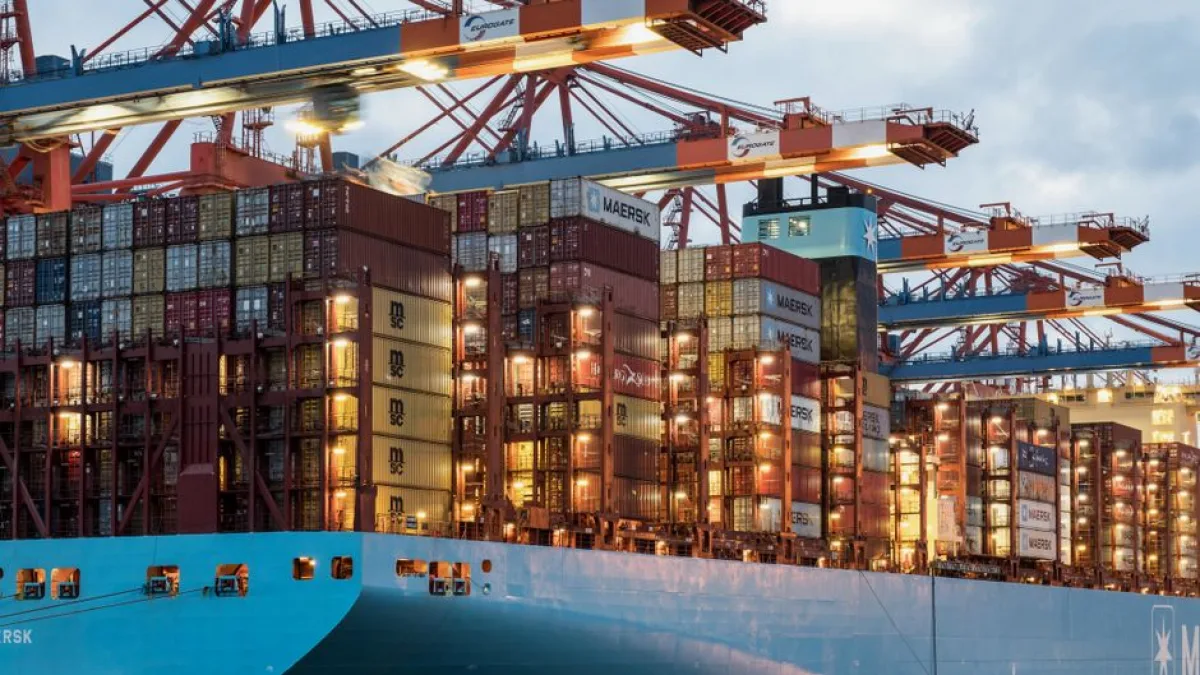
Visibility serves as the backbone of modern freight forwarding, allowing companies to track shipments across various modes of transport. Providing clients with accurate, live updates reduces anxiety and creates a professional reputation built on transparency and dependable logistics execution every single day.
- Live tracking integration: Connecting your platform with real-time carrier data ensures that shipment locations remain visible to your clients, which significantly reduces the need for manual status queries.
- Proactive delay alerts: Receiving instant notifications about weather or port congestion enables your team to suggest alternative routes before significant issues impact the final customer delivery schedule.
- Improved partner transparency: Sharing granular shipment details with agents and trucking partners minimizes communication gaps and ensures that every party works from the same set of facts.
- Client portal access: Offering a self-service dashboard empowers customers to check their own shipment status, which frees up your account managers for more complex logistical problem solving.
Visibility is more than just knowing a location because it involves understanding the status of every critical shipment milestone. By offering deep transparency, you differentiate your services from competitors who still rely on fragmented communication methods. Consistent data sharing builds stronger professional partnerships and increases client retention, ensuring that your firm remains the preferred choice for reliable, information-rich logistics support and management.
Streamlining Communication with Global Partners

Effective collaboration with overseas agents and local trucking partners remains vital for maintaining smooth supply chain flows. When communication channels are fragmented, the risk of delays and misunderstanding grows exponentially, which is why integrated messaging tools are essential for modern global freight forwarders.
- Unified messaging platforms: Using a single communication hub for all project-related updates prevents important instructions from getting buried in personal email inboxes or disconnected external messaging applications.
- Standardized data exchange: Establishing clear protocols for information sharing ensures that international agents understand your reporting requirements, which leads to fewer errors in final shipping documentation packages.
- Collaborative task management: Assigning specific milestones to local agents within your software ensures accountability and keeps your projects moving according to the original agreed upon transit schedule.
- Document sharing security: Encrypted file transfer tools protect sensitive trade documents while making them instantly available to the necessary personnel in distant time zones across the world.
Global collaboration succeeds when every partner understands their specific role and the tools used to report progress. By standardizing how you communicate, you bridge the distance between your office and international ground operations. This unified approach fosters trust and professional reliability, turning your global partner network into a seamless extension of your internal team, ultimately resulting in faster transit times for clients.
Ensuring Financial Accuracy and Compliance

Financial health depends on accurate billing, precise cost management, and strict regulatory compliance during the entire logistics process. Freight forwarders who prioritize financial clarity avoid margin erosion and maintain strong relationships with their vendors, while simultaneously reducing the risk of costly legal or regulatory penalties.
- Automated rate management: Utilizing a database to store and manage complex carrier tariffs prevents undercharging clients and ensures that your profit margins remain protected on every shipment.
- Real-time expense tracking: Logging costs immediately as they occur prevents missed charges and simplifies the monthly reconciliation process for your finance department during busy peak fiscal periods.
- Compliance document auditing: Automated checks for customs declarations and legal requirements protect your firm from potential fines while speeding up the cargo clearance process at international borders today.
- Customized financial reports: Generating detailed performance analytics helps you identify which shipping lanes or clients provide the highest profit, guiding your future business development and strategy efforts.
Financial management requires consistent vigilance and the right technology to prevent costly oversights in a high-volume environment. By focusing on automated rate accuracy and proactive compliance, you protect the bottom line of your firm from unnecessary leaks. Investing in these practices creates a sustainable business model that empowers your team to grow profitably while delivering exceptional value to all your global customers.
Conclusion
Success in freight forwarding stems from the perfect blend of modern technology and refined operational strategies. By automating workflows, improving visibility, fostering global collaboration, and maintaining financial discipline, you can scale your operations with confidence. Implementing these best practices positions your firm as a leader in the industry, ready to meet the evolving demands of the global logistics market with efficiency and precision.