Optimizing Freight Forwarding Operations for Growth
Sunday, August 9 2026
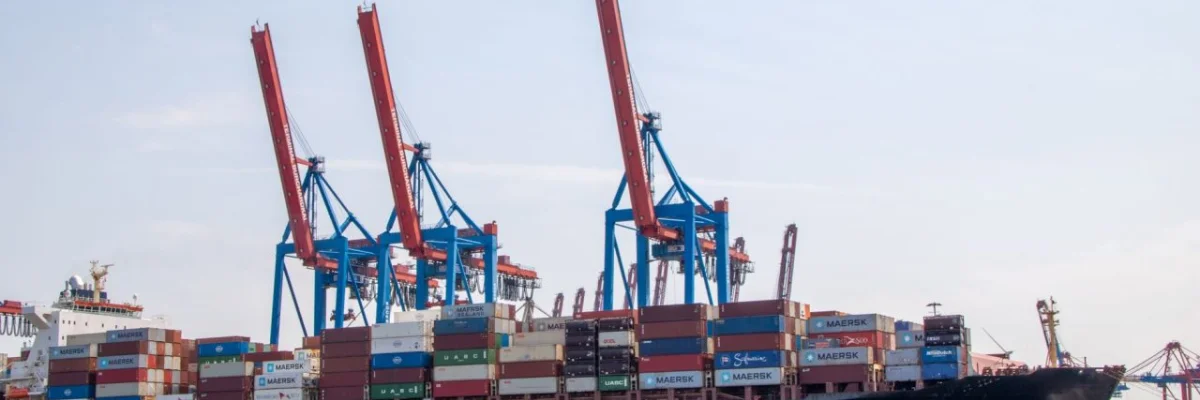
The global logistics landscape demands unprecedented levels of agility and precision from modern freight forwarders. As supply chains grow more complex, manual processes often lead to bottlenecks, communication delays, and lost revenue opportunities. By transitioning to digital-first strategies, professionals can reclaim their time and focus on building stronger client relationships. This guide explores the essential best practices to streamline your daily operations, leverage automation effectively, and scale your business in a competitive market. Embracing cloud-based technology is no longer just an optional upgrade for forwarders, but a fundamental necessity for achieving sustainable operational excellence and long-term industry success.
Mastering Digital Documentation

Transitioning from paper-based workflows to digital documentation is the single most effective way to eliminate human error. By digitizing invoices and bills of lading, forwarders ensure that critical information is accessible, secure, and searchable for all involved stakeholders at any time.
- Automated Data Entry: Replace manual typing with automated software solutions that extract information directly from documents to eliminate entry mistakes and significantly reduce the time spent on repetitive administrative tasks.
- Centralized Cloud Storage: Maintain a single source of truth by storing all shipping documents in a secure cloud environment that allows team members to access vital files instantly.
- Version Control Systems: Use specialized software to track changes made to shipping documents so your team always references the latest version without confusion or conflicting information during transit.
- Encrypted File Sharing: Protect sensitive client data by utilizing encrypted platforms for sharing documents instead of relying on unsecured email attachments that pose risks to your firm and clients.
Digital transformation provides a robust foundation for your logistics operations. When documents are centralized and automated, your team stops chasing paperwork and starts focusing on high-value logistics management tasks. Implementing these standards creates a seamless flow of information between parties, which prevents costly delays at customs borders. Consistent digitization practices directly improve your internal productivity, ensuring that every shipment moves through the supply chain without friction.
Enhancing Real-Time Visibility
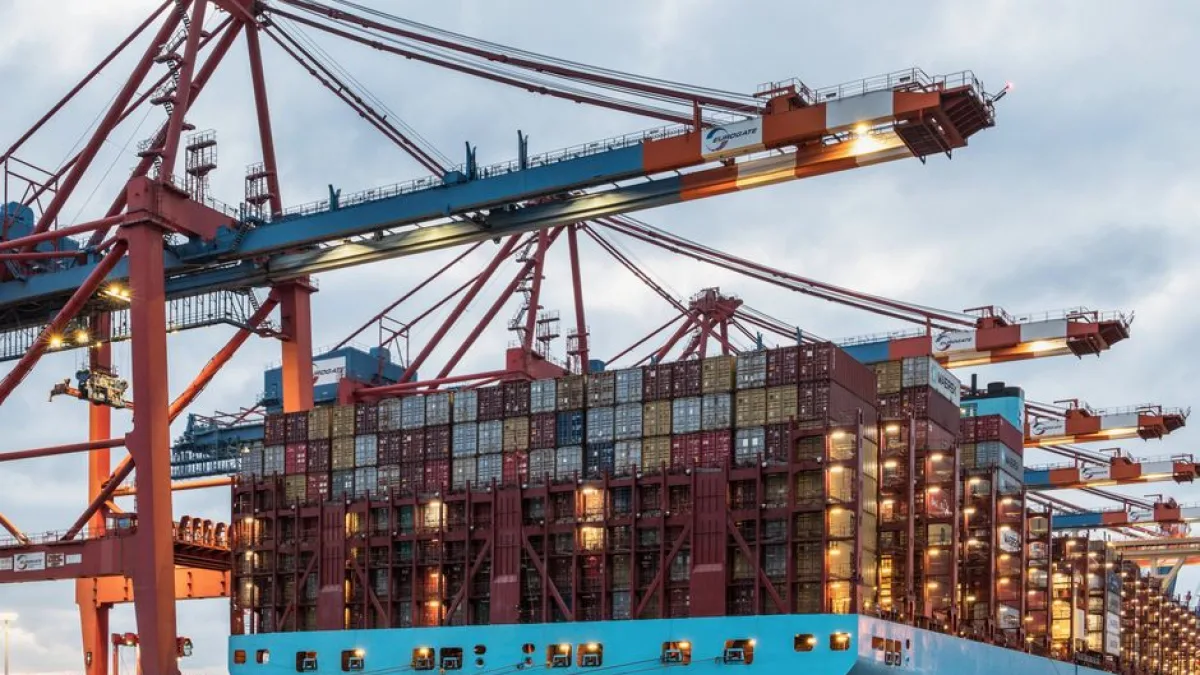
Real-time visibility allows you to provide accurate updates to clients while proactively managing disruptions before they escalate. Modern technology enables forwarders to monitor cargo status from origin to final delivery, ensuring total transparency throughout the entire international shipping journey.
- Live Tracking Integration: Connect your internal software with carrier portals to receive automated status updates that keep your clients informed without needing manual check-ins throughout the business day.
- Proactive Exception Management: Utilize automated alerts that trigger when a shipment faces a delay so your team can intervene immediately to resolve problems before they affect your clients.
- Customized Client Dashboards: Provide your customers with private portals where they can view shipment statuses, download invoices, and track their freight journey independently without calling your support staff.
- Unified Communication Channels: Consolidate updates from multiple carriers into a single feed that allows your staff to manage various shipments efficiently from one intuitive interface in the software.
Visibility serves as the backbone of superior customer service in the freight forwarding sector. Clients expect instant information regarding their cargo, and offering this transparency builds deep trust and long-term loyalty. By providing reliable data points, you position your firm as an indispensable partner in their supply chain. This transparency reduces inbound inquiries and allows your team to focus on strategic shipment planning.
Optimizing Workflow Automation

Workflow automation removes repetitive bottlenecks, allowing your logistics staff to manage higher volumes of shipments with greater accuracy. By automating routine tasks like scheduling and invoicing, your company creates a scalable model that grows alongside your customer base requirements.
- Automatic Rate Calculations: Utilize software to pull current carrier rates, calculate margins, and generate quotes in seconds rather than spending hours researching pricing manually for every individual shipment.
- Automated Booking Confirmations: Send instant booking notifications to carriers and clients immediately after a shipment is confirmed to ensure that all parties have the correct information on file.
- Scheduled Milestone Alerts: Configure automated emails to update stakeholders at specific milestones, which keeps communication consistent without requiring your team to draft every single message manually today.
- Integrated Accounting Flows: Link your freight software with accounting systems to generate invoices automatically upon shipment completion, which improves cash flow and reduces the time spent on collections.
Automation empowers your employees to move beyond simple data management toward more complex decision making. When software handles the mundane scheduling or repetitive billing, your team gains the bandwidth to solve real logistics challenges. This shift not only increases your overall operational capacity but also boosts employee morale by removing tedious manual labor. Investing in these automated processes ensures your agency stays profitable and efficient.
Building Resilient Partner Networks

Building strong relationships with reliable carriers and local agents is vital for maintaining a resilient supply chain. A well-vetted network ensures that you have the capacity and expertise required to navigate complex shipping routes during peak seasons or unexpected global market shifts.
- Performance Rating Systems: Implement a formal system to score your partners based on their punctuality, communication, and cost effectiveness to ensure you always work with the best providers.
- Standardized Partner Onboarding: Create a consistent process for adding new agents to your network, which ensures that everyone understands your operational expectations, security protocols, and documentation requirements clearly.
- Collaborative Planning Sessions: Schedule regular calls with key partners to discuss upcoming capacity trends and seasonal requirements, allowing both sides to prepare for demand changes well in advance.
- Dispute Resolution Policies: Establish clear guidelines for handling common issues like damage claims or billing discrepancies so that both parties can resolve friction points quickly and professionally always.
Strong networks provide the stability necessary to handle unexpected disruptions in the freight market. By vetting your partners rigorously and maintaining open communication, you ensure that your cargo remains secure and on schedule regardless of external pressures. These professional relationships ultimately reflect your commitment to quality. Nurturing these connections ensures that your firm thrives even when industry conditions become difficult or increasingly unpredictable.
Conclusion
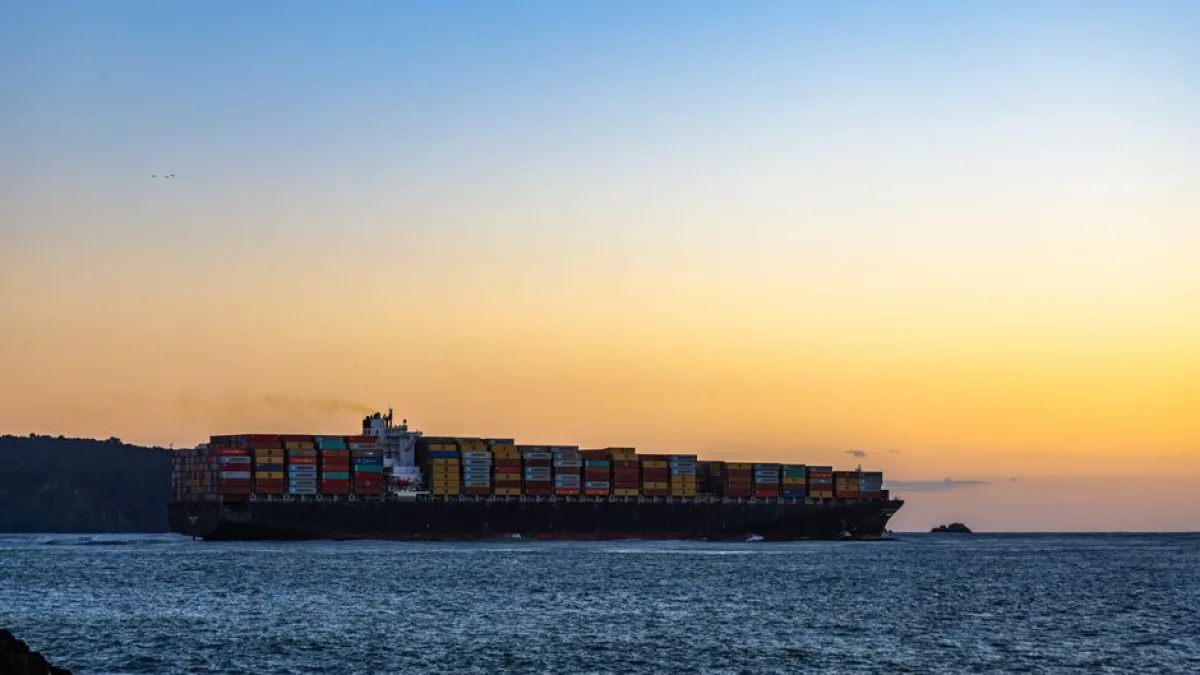
Optimizing your freight forwarding business requires a combination of smart technology adoption and disciplined operational standards. By focusing on documentation, visibility, automation, and strong partnerships, you can significantly enhance your service levels and profitability. Take the next step by auditing your current workflows and identifying where automation can offer the most value. Success in logistics is earned through consistent improvement and efficient digital management.