Optimizing Freight Forwarding Operations for Scalability
Monday, August 24 2026

Modern freight forwarding requires a delicate balance between rapid execution and meticulous documentation. As global trade lanes evolve, the pressure to maintain profitability while meeting client demands has intensified. Industry leaders are pivoting away from manual spreadsheets to integrated cloud-based platforms to regain control over their supply chains. By standardizing digital workflows, forwarders can minimize human error and accelerate communication cycles. This transition represents more than a mere technical upgrade. It is a strategic necessity for businesses aiming to remain competitive in a volatile market while delivering consistent value to stakeholders who expect real time visibility.
Mastering Digital Documentation

Digital documentation serves as the backbone of every shipment, ensuring that all regulatory requirements are met without unnecessary delays. Moving toward a paperless environment reduces the risk of misplaced files and streamlines the verification process for customs clearance and border security.
- Automated Data Entry: Implement systems that automatically extract information from commercial invoices to reduce manual typing errors and ensure that high volume documentation remains accurate across every single shipment.
- Centralized Cloud Storage: Keep all important shipping documents in a single digital location so your entire team can access real time updates from anywhere in the world instantly.
- Standardized Filing Protocols: Create uniform naming conventions for all digital files to make searching for specific manifests or bills of lading quick and effortless for your employees.
- Encrypted Security Layers: Protect sensitive client data and financial records by using cloud platforms that offer robust encryption and regular backups against cyber threats or data loss.
- Seamless Document Sharing: Enable secure links for partners and clients to view specific documents, which eliminates the need for endless email threads and large file attachments.
Adopting these digital practices allows your team to focus on complex logistical challenges instead of hunting for paper files. By creating a searchable and secure document environment, you ensure that every part of your operation adheres to global compliance standards. This efficiency not only saves valuable time but also enhances your reputation as a reliable and professional partner in the complex global logistics arena.
Enhancing Real Time Visibility

Real time visibility provides the clarity needed to manage expectations and solve problems before they escalate into costly delays. Tracking cargo location and status updates empowers forwarders to act proactively rather than reacting to failures after they have already happened.
- Integrated Tracking Tools: Connect your software directly with carrier APIs to provide your clients with live tracking updates for their ocean and air shipments without manual checks.
- Proactive Exception Alerts: Configure automated notifications that warn your operations team immediately when a vessel is delayed or a port experiences unexpected congestion during transit times.
- Client Visibility Portals: Give your customers direct access to a dedicated dashboard where they can monitor their shipments and download reports whenever they need quick answers.
- Mobile Access Capabilities: Allow your logistics coordinators to check cargo status and manage transit exceptions from mobile devices, ensuring constant oversight even when away from desks.
- Advanced Analytics Reporting: Use historical tracking data to analyze transit performance trends, helping you select the most efficient routes and carriers for future client shipments.
Providing constant visibility turns potential friction into a competitive advantage. When clients can see exactly where their freight is located, trust increases significantly and your administrative burden decreases. Investing in these transparency tools is essential for modern freight forwarders who want to build long term relationships and ensure that every delivery meets the specific needs of their diverse customer base.
Standardizing Communication Channels

Effective communication reduces misunderstandings that often plague the freight industry. By moving away from fragmented email chains and phone calls, you create a structured environment where every message is logged and linked to a specific shipment ID number.
- Centralized Communication Hubs: Link all emails and internal notes directly to specific cargo files so that any team member can pick up a conversation at anytime.
- Defined Response Timeframes: Set internal goals for answering client queries to ensure that your support team remains responsive and professional during high pressure global shipping cycles.
- Automated Status Updates: Use software to trigger automatic emails to customers when a shipment reaches a milestone, which significantly lowers the volume of simple inquiries.
- Structured Collaboration Tools: Use internal messaging features within your logistics platform to discuss shipment issues, keeping all relevant project context preserved for future reference and review.
- Feedback Loop Integration: Regularly solicit feedback from carriers and customers to refine your communication approach and resolve recurring bottlenecks that hurt your service quality levels.
Establishing clear rules for communication ensures that information flows efficiently between shippers, carriers, and agents. When your staff uses a standardized platform, they waste less time repeating details and can resolve transit issues with greater speed. This clarity reduces stress across the team and creates a seamless experience for your clients, who ultimately reward consistent and reliable communication with repeat business.
Optimizing Carrier Management
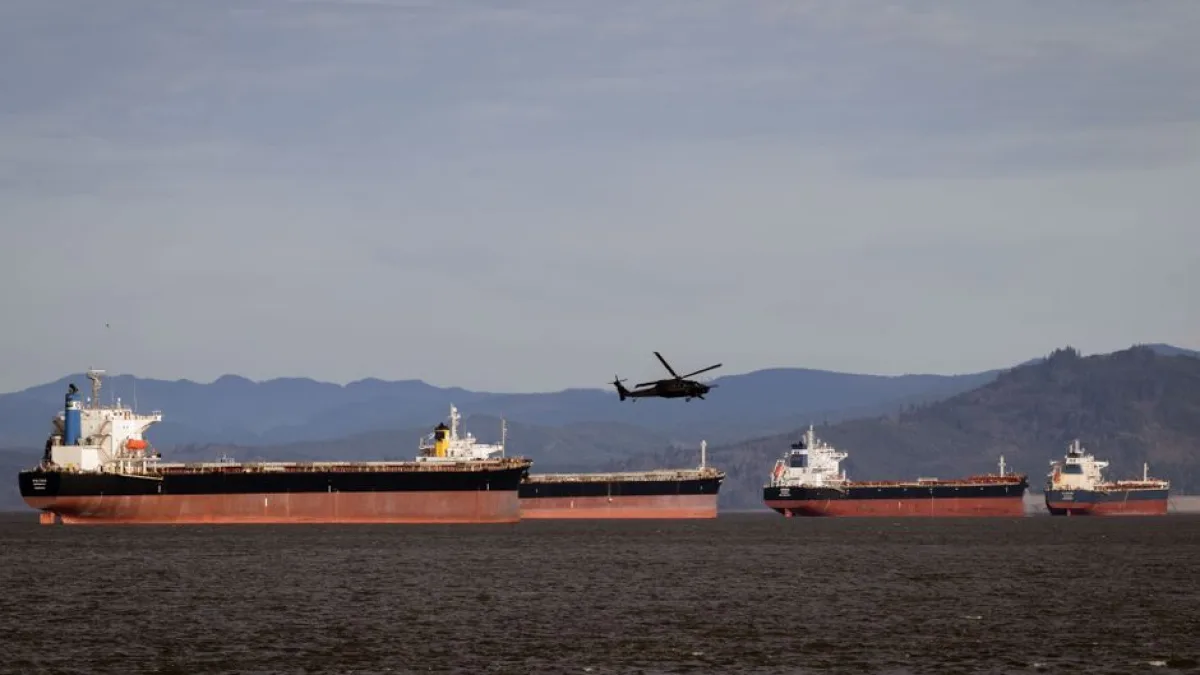
Managing carrier relationships effectively is critical for securing capacity and competitive pricing. A digital approach allows you to evaluate carrier performance based on actual data rather than just simple intuition, leading to better operational decisions and more reliable service.
- Performance Scorecard Metrics: Track carrier reliability, including on time delivery rates and communication speeds, to help you make informed decisions when choosing partners for future urgent shipments.
- Dynamic Rate Management: Keep all your carrier rates organized in one digital database so you can quickly compare pricing and find the most cost effective options.
- Simplified Contract Renewals: Monitor expiration dates for all carrier agreements and service contracts to avoid service gaps that could disrupt your clients shipping schedules during peak.
- Capacity Planning Software: Use historical volume data to predict your seasonal capacity needs, allowing you to negotiate better rates with carriers before the market becomes tight.
- Carrier Relationship Portals: Create a digital space where your carriers can upload their own invoices and manifest data, reducing your internal administrative work and increasing accuracy.
Data driven carrier management transforms your logistics department into a more strategic asset. By focusing on partners who consistently provide high quality service, you reduce risk and improve your overall profitability for every project. A structured approach ensures that you always have reliable capacity and competitive pricing, giving your business the stability needed to grow even during challenging market conditions.
Conclusion

Successfully scaling a freight forwarding business requires a combination of technology and consistent best practices. By focusing on digital documentation, real time visibility, efficient communication, and strategic carrier management, you build a foundation for long term success. Implementing these changes will help you reduce errors and increase client satisfaction. Start optimizing your operations with MakeCargo today to stay ahead in this competitive industry.