Optimizing Freight Forwarding Operations Through Advanced Technology Integrations
Tuesday, October 6 2026
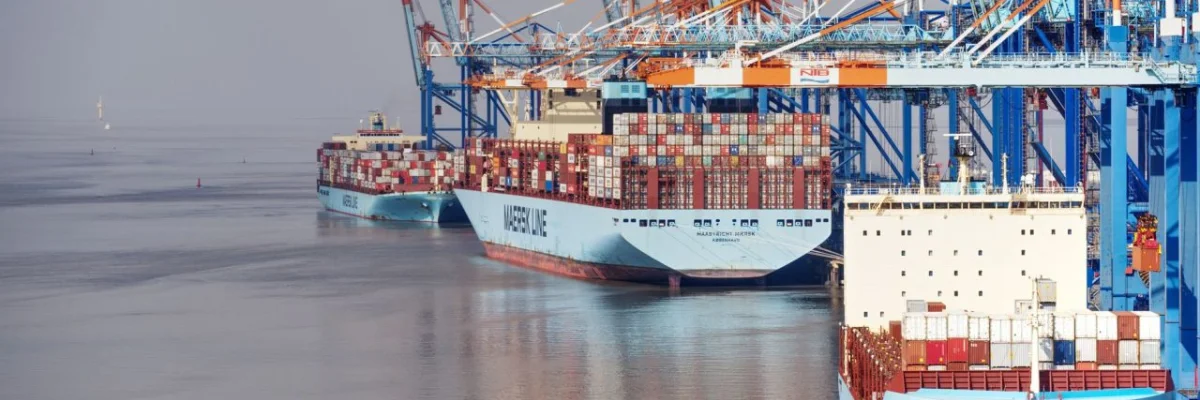
The global logistics landscape is undergoing a digital transformation as freight forwarders transition from manual processes to cloud-based management systems. Modern businesses now rely on sophisticated software to bridge the gap between disparate shipping partners, carriers, and customs authorities. By integrating advanced platforms like MakeCargo, forwarders can synchronize their operations, eliminate data silos, and significantly improve service delivery speed. This shift not only reduces human error but also empowers logistics companies to offer transparent tracking and real-time visibility to their clients. Embracing these technological advancements is no longer a luxury but a fundamental necessity for staying competitive in the volatile international freight market.
API-Driven Data Connectivity
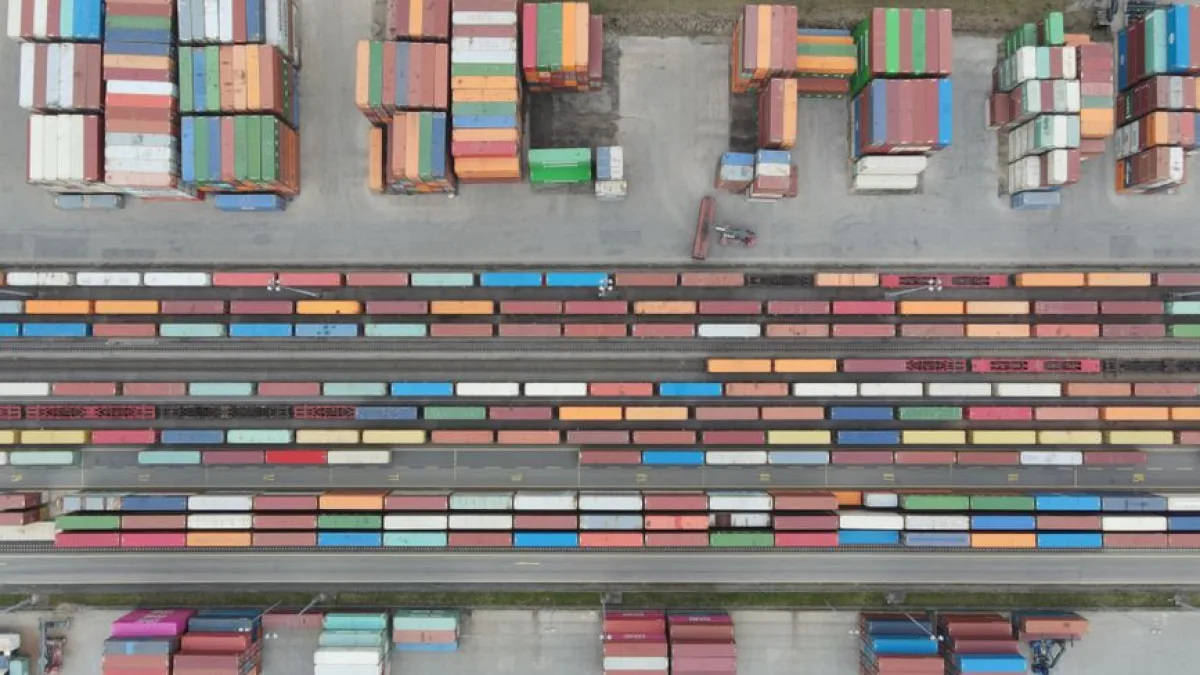
Seamless API connections allow disparate systems to communicate in real time, removing the need for manual data entry between platforms. This connectivity acts as the backbone for modern digital freight operations, ensuring that information flows accurately and instantly across your entire supply chain network.
- Automated Data Syncing: Automated synchronization removes the risk of manual input errors, ensuring that carrier updates and manifest details remain consistent across your platform throughout the entire shipping process.
- Real-time Status Updates: API integrations push instant status updates to your dashboard, allowing your team to provide proactive customer service instead of reacting to delays after they have already occurred.
- Faster Booking Cycles: By linking directly to carrier systems, you can secure space and generate bookings in seconds, drastically reducing the administrative workload on your operational teams every single day.
- Enhanced System Interoperability: Modern cloud platforms support multi-system communication, which allows your existing accounting or CRM software to talk to your logistics management system without requiring expensive custom development work.
By leveraging robust API architecture, freight forwarders can transform how they handle daily bookings and tracking requests. This level of technical maturity reduces the time spent on repetitive tasks, allowing staff members to focus on complex logistics challenges that require human expertise. Adopting these connected workflows is essential for scaling your business efficiently while maintaining a high level of operational accuracy for every shipment.
Cloud-Based Document Management

Centralizing documentation within a secure cloud environment eliminates the confusion of physical filing or disorganized email threads. Digital repositories keep essential shipping records accessible, compliant, and ready for immediate retrieval during any customs audit or client inquiry that might arise.
- Instant Document Access: Authorized team members can retrieve bills of lading, commercial invoices, or packing lists from anywhere in the world, ensuring that remote work is supported and highly efficient.
- Secure Version Control: Cloud platforms maintain strict version history for every document, preventing team members from using outdated files and ensuring that the most current information is always utilized.
- Automated Compliance Checks: Smart document systems automatically flag missing information or regulatory errors, which significantly reduces the likelihood of customs holds or costly documentation delays at critical border points.
- Streamlined Approval Workflows: Digital platforms enable automated signing and approval processes, cutting down the wait times typically associated with getting documents authorized by management or external shipping partners daily.
Centralized document management solves the common problem of scattered files that slow down the shipping process. By housing all project-related assets in one platform, teams can collaborate effectively and respond to client requests faster than before. This digital infrastructure creates a reliable foundation for auditing and transparency, which builds long-term trust with your shippers and international partners during every single transaction.
Automated Financial Workflows

Automating your financial processes ensures that invoicing and carrier reconciliation happen in perfect harmony with your physical shipping operations. This technology reduces the cash flow gap by accelerating payment cycles and eliminating the complex manual calculations that frequently cause errors.
- Integrated Invoice Generation: Software automatically generates invoices based on verified shipment data, ensuring that charges are always accurate and sent to clients immediately after the delivery process is finished.
- Carrier Reconciliation Tools: Automated matching of carrier bills against expected costs identifies discrepancies early, allowing you to dispute overcharges before they hit your balance sheet and affect your bottom line.
- Faster Payment Processing: Digital payment portals allow clients to settle balances instantly, which improves your company cash flow and reduces the overhead associated with traditional check processing methods.
- Real-time Profit Tracking: You gain immediate visibility into the profit margin of every individual shipment, helping your team make better pricing decisions based on current market rates and costs.
Optimizing financial workflows provides freight forwarders with the financial clarity they need to grow their operations effectively. When accounting tasks are automated, the margin for error shrinks significantly, protecting your company from revenue leakage. These technology tools allow owners to see the financial health of their organization at a glance, enabling them to make smarter business investments and plan for long-term scalability.
Advanced Analytics and Reporting

Utilizing data analytics transforms raw operational information into actionable insights that drive smarter business strategies. These tools visualize complex metrics, enabling leaders to identify bottlenecks, measure carrier performance, and anticipate market trends before they impact your overall shipping volume or profitability margins.
- Performance Trend Analysis: Advanced reporting tools identify recurring bottlenecks in specific trade lanes, allowing you to optimize your routing strategies and improve total transit times for your valued clients.
- Carrier Performance Metrics: Data dashboards track the reliability of different carriers, helping your procurement team negotiate better rates and choose partners who consistently meet your high performance service standards.
- Predictive Volume Planning: By analyzing historical shipping data, your management team can forecast seasonal capacity needs, ensuring you are prepared for high demand periods without incurring unexpected premium costs.
- Customized Executive Reporting: Automated reports provide high-level summaries for leadership, saving your managers hours of time manually compiling data into spreadsheets for weekly or monthly business reviews.
Moving toward data-driven decision making allows freight forwarding businesses to remain agile in a fast-paced global economy. Instead of relying on guesswork, your team can use verified metrics to adjust strategies and capitalize on new opportunities. This analytical approach keeps your company ahead of the competition and demonstrates to your clients that you are a modern partner capable of navigating complex shipping challenges.
Conclusion

Adopting integrated cloud software is the most effective way to modernize your freight forwarding business and improve efficiency. By automating manual processes and connecting your data streams, you create a scalable platform that supports growth. Start evaluating your current technology stack today to identify areas for improvement. Embracing these digital solutions will empower your team to deliver superior service and maintain long-term industry success.