Optimizing Freight Forwarding Operations Through Advanced Digital Integration
Sunday, August 23 2026

The global logistics landscape is undergoing a massive transformation driven by rapid digitization and the need for greater transparency across supply chains. Freight forwarders are increasingly tasked with managing complex shipments while providing real-time data to customers who demand instant visibility. Manual processes, paper-heavy documentation, and siloed communication tools are quickly becoming obsolete in this high-speed environment. By embracing cloud-based software and strategic API integrations, forwarders can automate tedious tasks and focus on delivering high-value logistics services. This shift not only improves operational efficiency but also builds the foundation for long-term scalability and competitive advantage in a volatile global market.
The Power of Centralized Data

Centralizing your operational data is the first step toward true digital transformation in freight forwarding. When all shipment information exists in one unified platform, teams can access critical files instantly, reducing errors and saving precious time during daily processing cycles.
- Eliminate Data Silos: By moving all documentation into a singular cloud interface, your team avoids the frustration of searching through fragmented email chains or disconnected spreadsheets for vital cargo details.
- Unified Team Collaboration: A centralized platform allows every department to view shipment progress simultaneously, ensuring that sales, operations, and accounting are always aligned on every single client order.
- Enhanced Document Security: Cloud-based systems provide robust encryption and automated backups, protecting your sensitive client information against the risks associated with local storage or physical paper filing systems.
- Real-time Information Access: Empower your staff with the ability to retrieve accurate shipment updates from anywhere in the world, which accelerates decision-making and enhances overall service responsiveness.
Transitioning to a centralized digital ecosystem significantly reduces the administrative burden on your logistics team. By removing the need to navigate multiple disjointed applications, your staff gains the clarity required to manage complex international movements with ease. This streamlined approach fosters a culture of accuracy and reliability, ultimately enabling your agency to handle higher shipment volumes without sacrificing the quality of your customer service.
Automating Routine Documentation

Manual entry of bills of lading and commercial invoices is prone to human error. Automated documentation tools leverage advanced technology to populate fields instantly, ensuring that compliance requirements are met while drastically shortening the lead time for processing various export documents.
- Intelligent Field Extraction: Modern software utilizes smart scanning to capture data directly from incoming documents, which removes the need for tedious manual typing and reduces costly data entry errors.
- Standardized Template Creation: Utilize customizable templates to generate shipping documents rapidly, ensuring that your branding remains consistent and professional across all client communications and external shipping manifests.
- Automated Compliance Checks: Integrated systems automatically validate shipment data against international customs requirements, helping to avoid penalties and ensuring that your cargo moves through borders without unnecessary delays.
- Instant Digital Distribution: Once a document is finalized, the system can automatically distribute copies to partners, carriers, and clients, eliminating the wait times associated with traditional mailing or manual emailing.
Automating routine documentation transforms your back-office operations from a bottleneck into a growth driver. By reducing the reliance on repetitive manual labor, your team can pivot toward more strategic tasks such as carrier negotiations and account management. This digital evolution ensures that your business remains compliant with changing international regulations while maintaining the speed required to keep modern global trade moving forward efficiently.
Seamless Carrier Connectivity
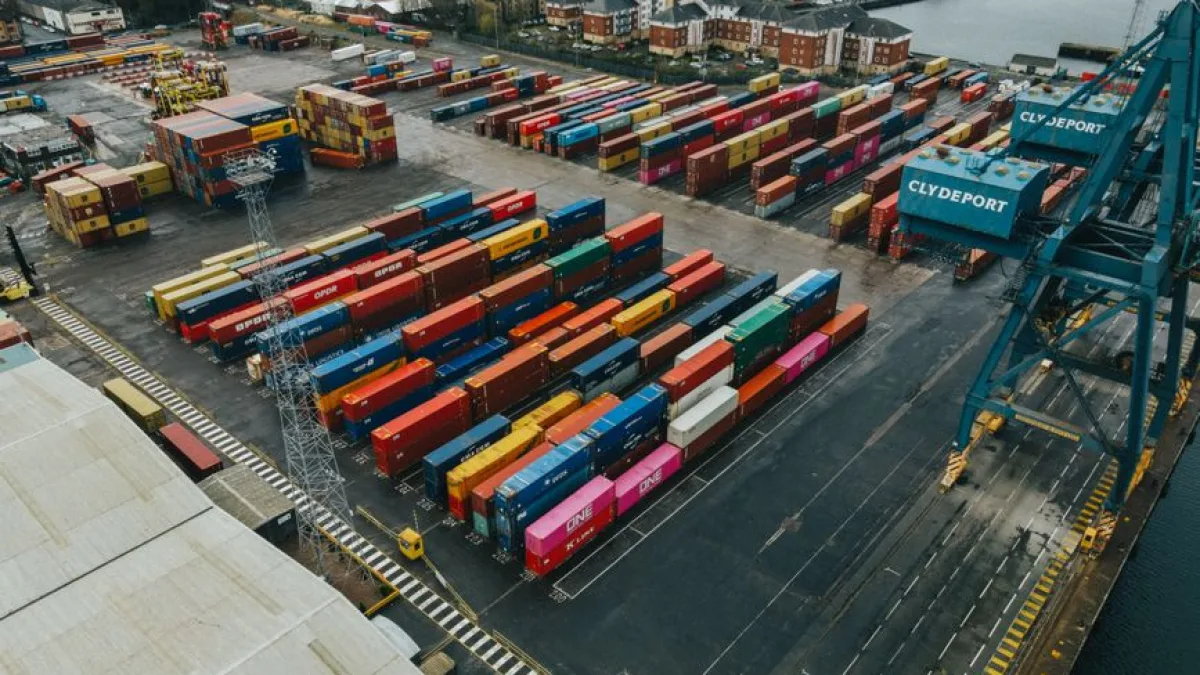
Connecting your platform directly with carriers via API is essential for modern freight forwarders. This connectivity provides automated status updates and capacity availability, allowing you to secure space and update your clients instantly without manual check-ins via telephone or email.
- Direct System Integration: Link your operations platform directly to ocean and air carriers to pull live status updates, which eliminates the guesswork and latency inherent in traditional tracking methods.
- Faster Booking Cycles: API integrations allow your team to request rates and secure bookings within seconds, ensuring you can react to market changes faster than your competitors can.
- Automated Tracking Updates: Proactive notifications are sent automatically as cargo moves between checkpoints, giving your clients complete visibility without requiring them to contact your office for basic information.
- Streamlined Communication Loops: Remove the friction of constant email exchanges with carrier agents by synchronizing your internal system with their booking portals for a more fluid logistical workflow.
Integrating your freight forwarding software with carrier networks creates a powerful advantage by providing unparalleled transparency. When your platform talks directly to the systems used by shipping lines and airlines, you gain an edge in speed and accuracy. This connectivity reduces the volume of status inquiries and helps your team maintain a professional image by providing precise, automated updates every single step.
Scalable Cloud Infrastructure

Cloud infrastructure provides the flexibility needed to scale your operations as your business grows. Unlike legacy on-premise systems, cloud solutions allow you to increase capacity, add new users, and update features without the need for significant hardware investments or downtime.
- Flexible User Scaling: Add new team members or branch offices to your logistics platform instantly, ensuring that your software environment grows in tandem with your expanding business operations.
- Lower Overhead Costs: Eliminating the need for on-site servers reduces IT maintenance costs, allowing you to invest those resources into business development and expanding your global service portfolio.
- Automatic Software Upgrades: Enjoy the latest industry features and security patches automatically without manual installation, keeping your platform current with the newest logistics trends and regulations.
- Remote Access Capability: The cloud empowers your team to manage logistics from anywhere, providing the mobility necessary for today's remote-friendly work environments while maintaining secure system access.
Investing in cloud infrastructure is a strategic move that secures the future of your freight forwarding agency. By choosing a flexible system that evolves alongside technological advancements, you ensure that your business remains agile and prepared for future market shifts. This level of operational maturity allows you to focus on building long-term client relationships rather than worrying about managing outdated and unreliable software.
Conclusion
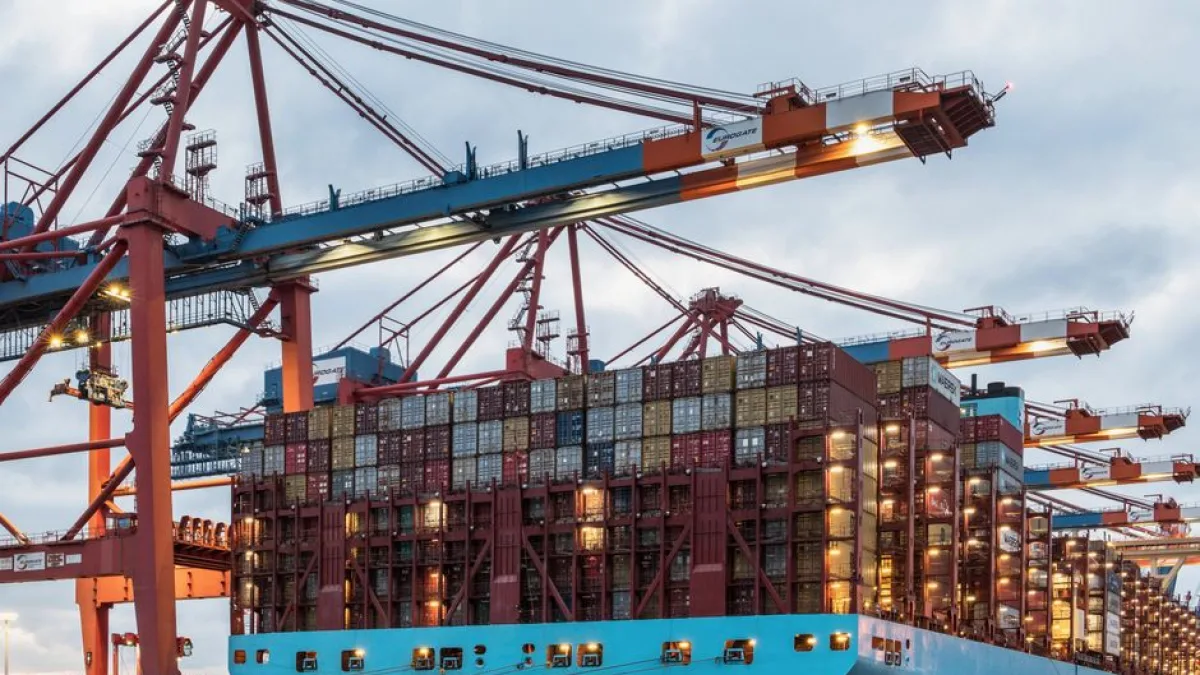
Embracing technology and integration is no longer optional for freight forwarders aiming to thrive in a digital economy. By centralizing data, automating documentation, connecting with carriers, and utilizing cloud infrastructure, you create a robust foundation for success. Start your digital transition today to improve your operational efficiency, satisfy modern customer demands, and position your agency for sustainable growth in the global freight market.