Optimizing Freight Forwarding Operations Through Advanced Technology Integrations
Friday, September 18 2026

Modern logistics environments demand unprecedented levels of agility and precision to maintain a competitive advantage in a volatile global market. Freight forwarders are increasingly pivoting away from legacy manual processes, choosing instead to embrace digital transformation through cloud-based platforms. By integrating disparate systems into a unified digital ecosystem, organizations can effectively eliminate data silos that historically hampered communication and operational speed. This technological shift does not merely simplify daily tasks but fundamentally redefines the capacity for global trade management, ensuring that every stakeholder remains informed, compliant, and prepared for the rapid fluctuations inherent in modern supply chain logistics management systems today.
Automated Data Synchronization

Digital platforms utilize sophisticated synchronization tools to bridge the gap between different departments, allowing real-time information flow across the entire organization. This connectivity ensures that all stakeholders access the exact same shipment data simultaneously from any location on the planet.
- Enhanced Data Accuracy: Automated systems eliminate the risks associated with manual data entry errors by pulling information directly from carrier portals into your centralized forwarding software platform architecture.
- Real-time Visibility: Instant updates provide comprehensive oversight of cargo movements across multiple modes of transport, allowing teams to monitor every milestone from origin to final destination.
- Streamlined Document Flow: Digital integration facilitates the rapid exchange of bills of lading and commercial invoices, significantly reducing the administrative burden typically associated with paper based filing.
- Error Rate Reduction: Standardized data fields prevent common inconsistencies, ensuring that shipment manifests remain compliant with international customs regulations and avoiding costly delays during the clearance process.
- Operational Cost Savings: By automating routine clerical tasks, your logistics team can focus their energy on high value customer service activities rather than repetitive administrative input duties.
Achieving seamless data synchronization requires a robust cloud infrastructure that supports high frequency API calls without compromising speed or reliability. When systems communicate flawlessly, the result is a massive reduction in operational friction. Forwarders who adopt these tools report significant improvements in employee productivity and fewer disputes with global partners. This foundational integration acts as the primary engine for future scalable growth within logistics.
API-Driven Carrier Connectivity
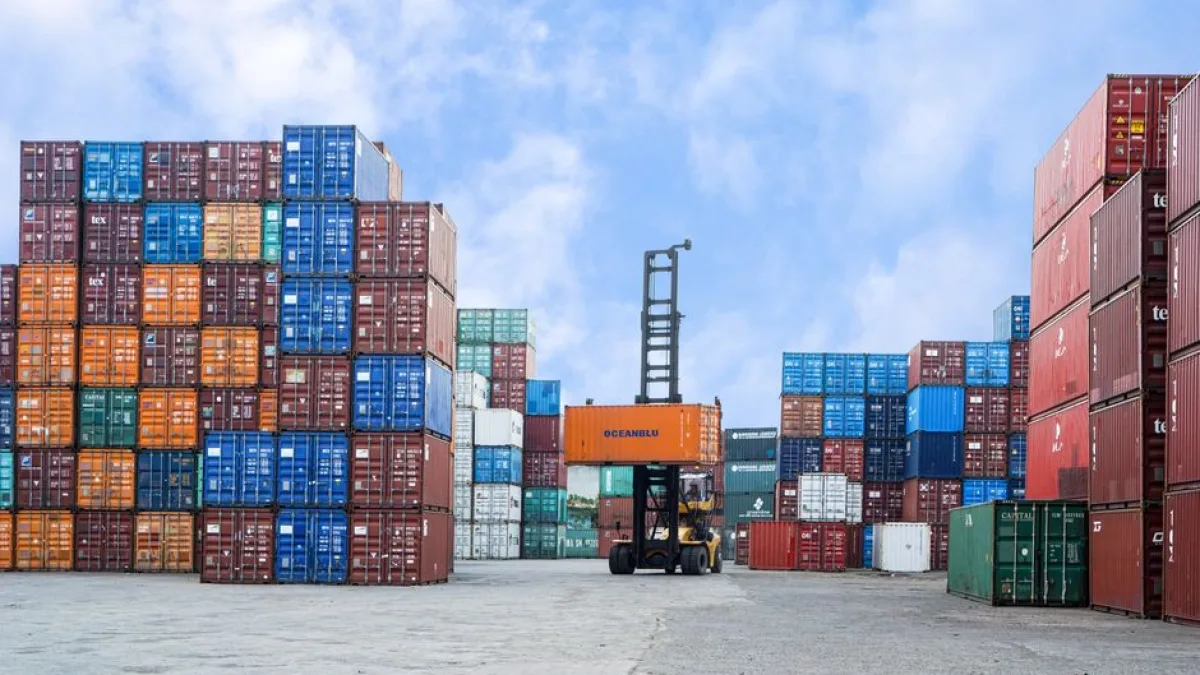
Direct API connections allow freight forwarders to communicate directly with shipping lines and trucking fleets. This eliminates the reliance on fragmented tracking websites and manual status checks, fostering a transparent and highly efficient logistics environment for all involved parties.
- Instant Status Updates: API integrations push carrier data directly to your dashboard, providing you with proactive alerts concerning vessel delays or route changes before they impact operations.
- Faster Quote Retrieval: Automated rate requests enable your team to secure competitive pricing from multiple carriers instantly, ensuring you offer the best possible value to clients.
- Automated Booking Flow: Forwarders can trigger bookings directly through the software interface, removing the need for legacy email exchanges that slow down the entire shipping initialization phase.
- Carrier Performance Tracking: Sophisticated analytic tools allow you to measure carrier reliability over time, helping you make informed decisions when selecting partners for future complex logistics.
- Simplified Partner Communication: Centralized message hubs keep all carrier correspondence linked to specific files, ensuring that no critical instructions or documents are lost in chaotic inboxes.
Connectivity is the lifeblood of a modern freight forwarding company. By removing manual dependencies on external websites, your team gains precious time to manage exceptions rather than searching for basic shipment updates. These automated bridges between your software and global carriers create a durable foundation for resilience. Investing in high quality API integration ensures that your operations remain agile regardless of external disruptions.
Unified Financial Management

Integrating financial modules directly with shipment management software ensures that invoices and payments are processed with absolute precision. This synergy prevents revenue leakage and accelerates cash flow by aligning billing cycles with actual movement milestones and carrier costs.
- Automated Invoicing Generation: System generated invoices pull actual costs from shipments, ensuring every charge is accurate and minimizing the need for subsequent credit memos or adjustments.
- Optimized Cash Flow: Automated payment reminders and direct bank integrations help maintain a healthy financial standing while reducing the time spent on manual accounts receivable follow up.
- Real Time Profitability: Analytics dashboards provide instant visibility into shipment margins, allowing management to identify which routes or customers are generating the highest financial returns daily.
- Tax Compliance Precision: Integrated financial systems keep your records aligned with complex international tax laws, ensuring that every transaction is fully documented for future regulatory audits.
- Reduced Billing Disputes: Consistent billing formats and clear supporting documentation foster trust with clients, leading to faster approvals and fewer disputes regarding final shipment related charges.
Managing finances within a siloed environment is a recipe for errors and delays. By bridging the gap between operational output and financial reporting, forwarders can finally achieve a clear view of their true profitability. This level of transparency empowers leadership teams to make data driven decisions that improve margins. A unified financial approach is an essential requirement for any forward thinking logistics organization.
Cloud-Based Scalability Models

Cloud infrastructure provides the flexibility required for rapid expansion in the global market. Unlike traditional local servers, cloud-based software scales automatically to handle increased data volume, ensuring that your team maintains consistent performance during peak shipping and holiday seasons.
- Seamless Team Access: Cloud platforms allow your staff to work from any location globally, ensuring that operations continue without interruption regardless of local office accessibility or restrictions.
- Automatic Software Updates: Eliminate the need for IT intervention with instant, web-based updates that deploy the latest features and security patches to your platform automatically overnight.
- Robust Data Security: Enterprise grade encryption and redundant backups protect your sensitive shipment data against cyber threats, ensuring compliance with global data protection and privacy standards.
- Modular Growth Potential: Add new users or operational modules as your business expands, ensuring that your software stack always matches your current operational needs and capacity.
- Reduced Infrastructure Costs: Moving away from expensive physical server maintenance lowers overhead, allowing you to reallocate capital toward improving service offerings and hiring specialized logistics talent.
The transition to cloud architecture is the final step in modernizing your freight forwarding operation. By moving away from local hardware, your company gains the ability to react to market changes with unparalleled speed. Cloud scalability ensures that your technology will never be the bottleneck preventing your growth. Embracing this flexible model positions your organization to thrive in a demanding, fast-paced global landscape.
Conclusion

Leveraging advanced technology integrations transforms freight forwarding from a manual process into a highly automated, data-driven discipline. By focusing on connectivity, financial alignment, and cloud scalability, your firm can achieve peak efficiency and customer satisfaction. The path forward involves continuous adoption of new digital tools that bridge operational gaps. Start optimizing your infrastructure today to secure a long-term advantage in the evolving logistics industry.