Optimizing Freight Forwarding Operations Through Digital Integration
Wednesday, August 5 2026
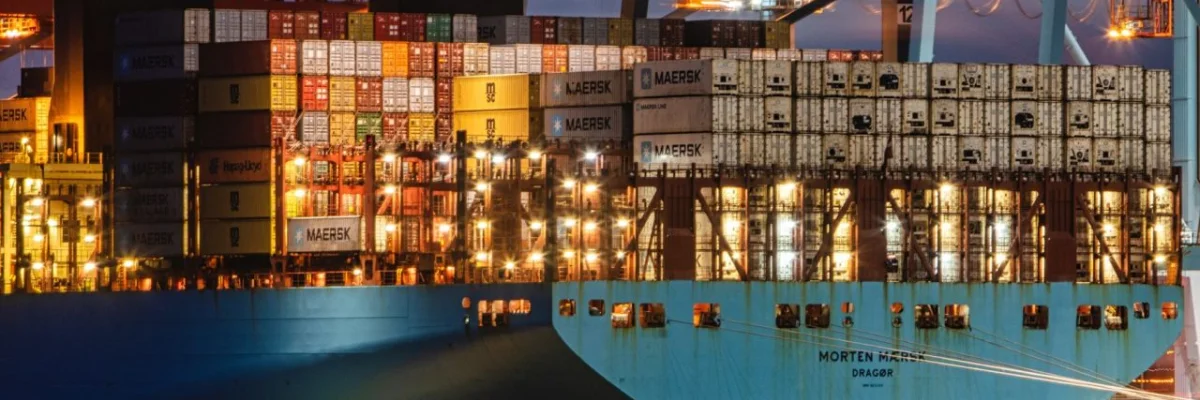
The global logistics landscape is undergoing a profound transformation driven by rapid technological advancement and increasing demands for supply chain transparency. Freight forwarders are currently navigating a competitive market where manual processes and disjointed communication channels are no longer viable for sustainable growth. By adopting a unified cloud platform, forwarders can synchronize their operations, enhance data accuracy, and provide superior service levels to clients. This shift toward digital integration is not merely about replacing paper with screens. It is about building an agile infrastructure that empowers your team to make data-driven decisions while minimizing operational risks in real-time environments.
Centralizing Communication Channels

A centralized communication hub serves as the backbone of modern freight operations, ensuring that all stakeholders remain aligned. By integrating messaging and document sharing into a single interface, teams eliminate fragmented email chains and prevent critical shipment information from becoming siloed.
- Unified Data Access: Centralized platforms provide every department with real-time visibility into active shipments, reducing the time spent searching through scattered spreadsheets or disconnected folders for essential shipping documents.
- Automated Client Notifications: Automated updates keep clients informed throughout the journey, which significantly lowers the administrative burden on your support staff while simultaneously increasing overall customer satisfaction and trust.
- Streamlined Internal Workflows: Standardized digital workflows allow team members to collaborate on tasks effectively, ensuring that every shipment milestone is tracked accurately from the initial booking until final delivery.
- Error Reduction Strategies: By minimizing manual data entry across multiple disparate systems, businesses drastically lower the frequency of costly errors that frequently delay cargo and impact your bottom line.
Transforming how your team communicates creates a foundation for scalable growth and operational excellence. When every stakeholder interacts with a single, verifiable source of truth, the risk of misinterpretation vanishes. This connectivity does not just improve internal efficiency; it establishes a professional standard of transparency that clients expect from industry leaders. Adopting centralized tools is the first step toward reclaiming your team's valuable time.
Automating Complex Documentation Flows

Documentation remains one of the most time-consuming aspects of the freight forwarding industry, often stalling cargo movement. Automated document generation and processing tools simplify compliance and administrative tasks, allowing logistics teams to focus on managing high-value client relationships instead.
- Instant Document Generation: Smart software tools automatically populate bills of lading and commercial invoices, ensuring that all logistics paperwork is error-free and compliant with international shipping regulations and standards.
- Digital Customs Clearance: Integrated tools streamline the submission of customs declarations, accelerating the movement of goods across borders while keeping your compliance records updated and fully audit-ready at all times.
- Smart Document Filing: AI-driven systems categorize and store incoming documents automatically, making retrieval instantaneous when needed for quick responses to customs officials or partners during critical shipping phases.
- Secure Cloud Storage: Encrypted cloud environments ensure that all sensitive shipping documentation remains protected and accessible only to authorized personnel, maintaining data integrity and client confidentiality throughout the process.
Automating your document workflow is a critical move toward eliminating the bottlenecks that define traditional logistics operations. By reducing the reliance on manual paper handling, your staff can manage significantly higher volumes without sacrificing accuracy or quality. This digital evolution ensures that your business stays compliant in a complex regulatory environment while maintaining the fast, reliable service that your global customers demand.
Leveraging Real-Time Tracking Data
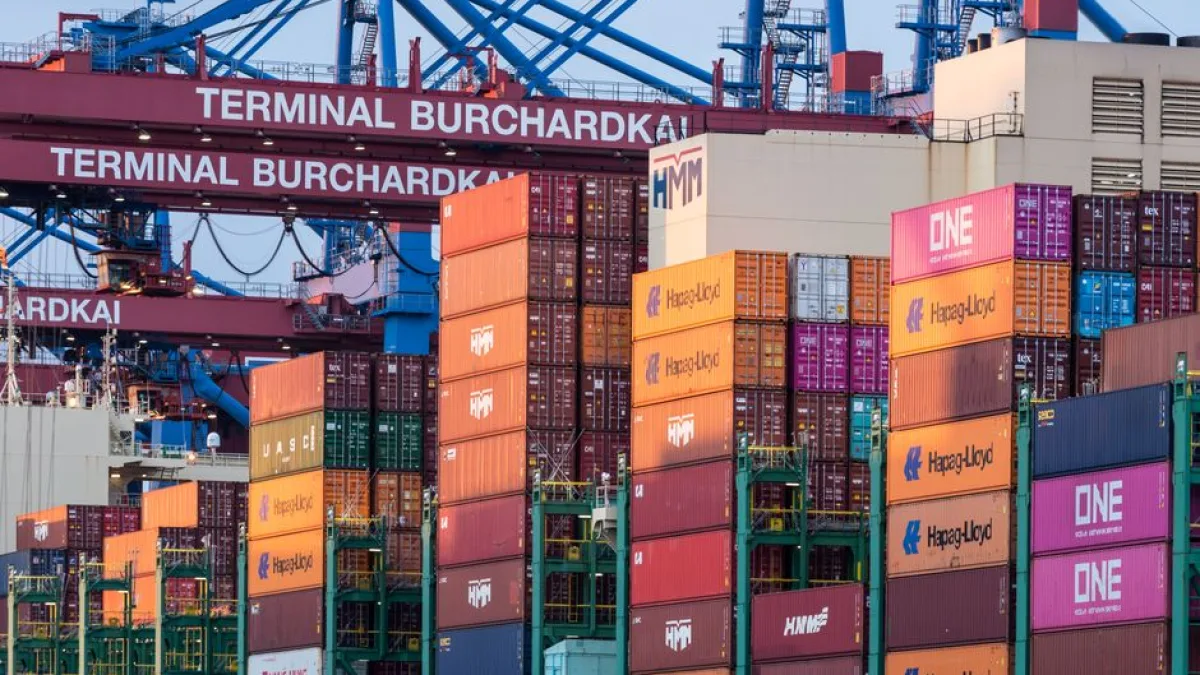
Real-time visibility into freight location is no longer an optional feature but a mandatory requirement for modern supply chains. Integrating GPS tracking and carrier API data into your software provides granular insights that improve decision-making and proactive problem management.
- Live Shipment Monitoring: Integrating live carrier feeds provides your operations team with constant updates on the precise location of cargo, allowing for proactive intervention if unexpected delays or disruptions occur.
- Proactive Issue Resolution: Immediate notifications regarding port congestion or weather incidents enable your staff to adjust shipping routes early, minimizing potential delays and keeping client expectations managed and realistic.
- Enhanced Client Reporting: Custom reports generated from live data provide your clients with deep analytical insights into their own supply chain performance, fostering long-term partnerships and recurring revenue growth.
- Performance Analytics Dashboards: Analytical tools visualize carrier performance metrics, which helps your management team identify the most reliable shipping routes and partners for future logistics planning and cost optimization.
Data is the most valuable asset in modern logistics, yet its potential remains untapped without proper integration. Real-time tracking capabilities transform how you respond to market volatility, enabling your team to remain one step ahead of potential shipping hurdles. By leveraging these insights, your freight forwarding company moves from a reactive service provider to a strategic partner that adds tangible value to client operations.
Scaling Through API Connectivity

API connectivity allows your internal software to communicate seamlessly with carriers, warehouses, and customs brokers worldwide. This interoperability ensures that your platform grows alongside your business, enabling easy onboarding of new partners and expanding your service capabilities across international borders.
- Seamless Third-party Integration: APIs allow your core system to exchange data with external carrier platforms effortlessly, ensuring that booking confirmations and status updates flow directly into your software without delay.
- Flexible Ecosystem Growth: Modular platform designs enable you to add or remove integrations as your business requirements change, ensuring your technology stack remains lean, cost-effective, and highly adaptable to demand.
- Faster Partner Onboarding: Standardized connectivity protocols significantly reduce the time needed to integrate new shipping partners, allowing your company to enter new geographical markets or service lanes with minimal technical effort.
- Enhanced Interoperability Standards: Following modern API standards ensures that your systems remain compatible with evolving global shipping industry protocols, keeping your business competitive in a rapidly changing digital economy.
Building a robust API ecosystem is the final piece in creating a truly resilient logistics business. By fostering deep connectivity between all industry participants, you create a frictionless experience that enhances the speed and reliability of your service. Scalability is achieved not through more labor, but through smarter digital connections that allow your company to handle global complexity with ease and total control.
Conclusion

Transitioning to an integrated freight forwarding software solution is essential for modern competitiveness. By centralizing communication, automating documentation, utilizing real-time tracking, and leveraging API connectivity, your business can significantly enhance operational efficiency. Embrace these digital tools today to reduce manual overhead, minimize costly errors, and provide the exceptional, transparent service that your global logistics clients expect and deserve for long-term success.