Optimizing Freight Forwarding Operations Through Digital Integration
Wednesday, August 19 2026
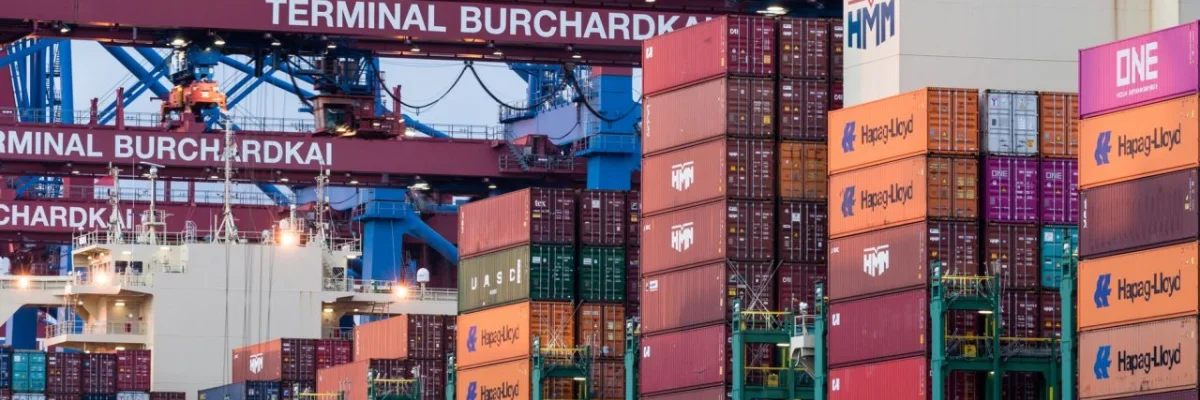
Modern logistics environments demand unprecedented levels of agility and precision to maintain competitive advantages in a global market. For freight forwarders, the shift from manual, siloed processes to cloud-based digital infrastructure is no longer a luxury but an operational necessity. By integrating advanced software platforms, businesses can synchronize data across complex supply chains, eliminate redundant tasks, and provide real-time visibility to clients. This transition empowers teams to focus on strategic decision-making rather than administrative burdens, ultimately driving scalable growth and improving customer retention rates in an increasingly crowded industry that prizes speed, transparency, and data-driven reliability above all else.
Centralizing Data Streams

Unified data ecosystems serve as the backbone of successful forwarding operations, bringing fragmented information into a single location for enhanced oversight. When teams access consistent, real-time data, they significantly reduce the margin for error during critical documentation and shipment tracking tasks.
- Seamless API connectivity: Modern platforms utilize robust APIs to facilitate automated data exchanges between your internal system and external carrier portals for immediate status updates and booking confirmations.
- Automated data entry: Intelligent software solutions capture shipment details directly from incoming documents, which eliminates manual input errors and accelerates the speed of processing your customer bookings.
- Real-time visibility: Providing clients with instant access to their shipment status through a centralized portal reduces the burden on your support team and builds trust.
- Standardized reporting tools: Advanced analytics modules allow managers to generate custom performance reports that identify operational bottlenecks and highlight areas for potential cost savings across all departments.
- Cloud based accessibility: Your team members can securely access vital information from anywhere in the world, ensuring that remote operations run just as smoothly as local offices.
By centralizing these critical data streams, your organization can effectively eliminate the chaotic nature of manual spreadsheets and fragmented communication. This structural shift ensures that every staff member relies on a single source of truth, fostering a culture of accountability and precision. As your business scales, these centralized digital foundations remain flexible enough to adapt to changing market requirements and complex logistical challenges daily.
Automating Compliance Processes

Navigating the labyrinth of global trade regulations requires sophisticated tools that handle complex compliance protocols automatically. Integrated software minimizes the risk of heavy penalties by ensuring that every shipment meets specific local and international legal standards before transit begins.
- Customs form generation: Smart software automatically populates necessary customs documentation based on existing shipment data, ensuring high accuracy and preventing costly delays during the inspection process.
- Regulatory update alerts: Automated systems monitor changes in international trade laws and provide instant notifications, helping your team adjust their workflows to remain fully compliant today.
- Integrated audit trails: Every action taken within the platform is recorded, providing a transparent history that simplifies internal audits and satisfies external government inquiries quickly.
- Tariff calculation engines: Integrated tools automatically apply current tariff rates to quotes, protecting your profit margins while providing customers with clear and accurate pricing for imports.
- Error detection algorithms: The software scans for missing information or format inconsistencies before final submission to local authorities, saving hours of unnecessary revision and administrative work.
Adopting automated compliance measures significantly reduces the stress associated with complex government regulations. By removing the guesswork from tariff calculations and document submissions, your staff can operate with total confidence. This proactive approach to compliance prevents the accumulation of fines and keeps your cargo moving through international borders with minimal interference, preserving both your professional reputation and your bottom line.
Improving Partner Collaboration

Strong partnerships are built on clear, instantaneous communication channels that transcend geographical barriers. Integrated software platforms bridge the gap between forwarders, carriers, and agents, creating a collaborative workspace where everyone works toward the same logistical goals with total transparency.
- Automated partner updates: Notifications are triggered automatically when a shipment reaches a milestone, keeping all stakeholders informed without the need for endless email chains or phone calls.
- Secure document sharing: Centralized portals allow external agents to upload and download required documents securely, ensuring that all parties use the latest versions of critical files.
- Instant message integration: Built-in communication tools enable teams to discuss specific shipments directly within the project workspace, providing a clear history of all coordination efforts today.
- Shared visibility portals: Clients and vendors can view the same live tracking data, which reduces duplicate inquiries and fosters a high level of mutual trust throughout.
- Agent management dashboards: Monitor the performance of various local agents and partners through a unified interface, allowing for better selection based on past efficiency metrics.
Efficient collaboration turns your global network into a cohesive unit that functions like a local team. When communication barriers are dissolved, you gain the ability to resolve issues as they arise rather than after the fact. This level of synergy between all stakeholders creates a smoother workflow, directly resulting in fewer transit hiccups and a vastly improved experience for your end customers.
Enhancing Scalability Efforts
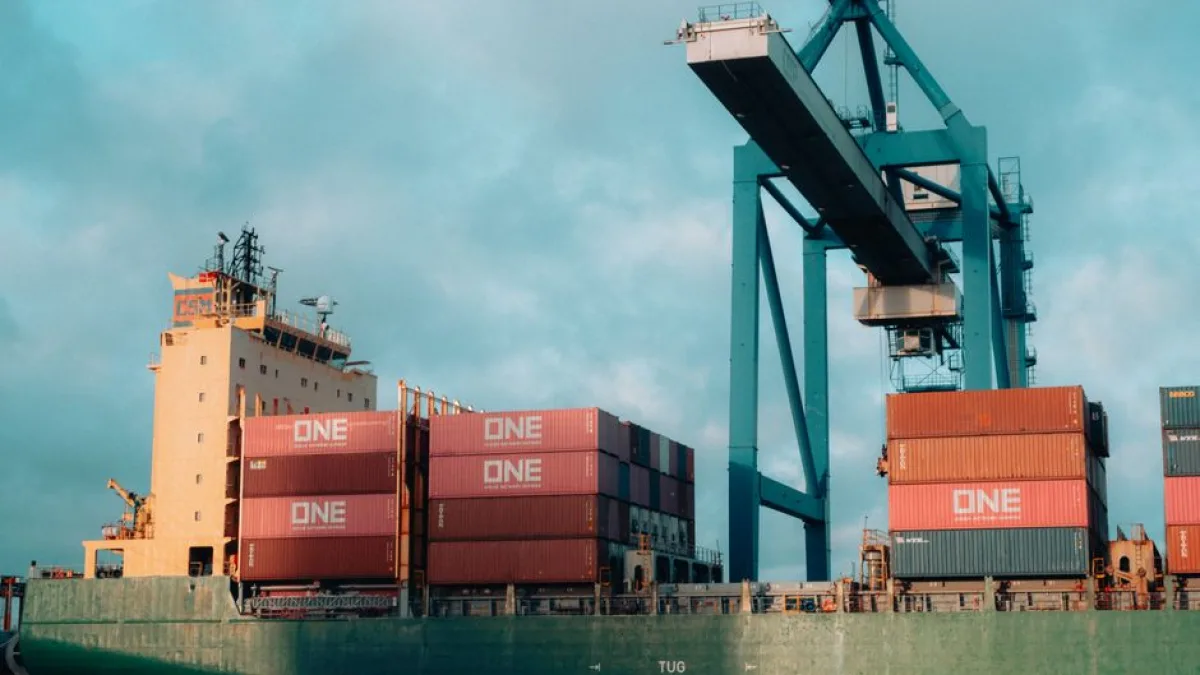
Scalability relies on a technology stack that grows alongside your cargo volume without demanding a proportional increase in operational overhead. Cloud platforms enable you to onboard new clients and expand into new shipping routes without needing to overhaul your core software systems.
- Modular software architecture: Add new features and integrations as your business requirements evolve, ensuring your digital infrastructure always matches your current operational scope and team size.
- User management tools: Quickly assign roles and permissions to new hires, allowing them to start contributing to your logistics operations with full system access immediately.
- Predictable cost structures: Subscription-based models allow for clearer budget forecasting, as you only pay for the features and user licenses that your company actively utilizes today.
- Efficient resource allocation: Automated workflows handle high volumes of recurring tasks, freeing your experienced staff to focus on high-value business development and strategic partnership building.
- Flexible system deployment: Cloud technology allows for rapid deployment across multiple branches, ensuring that your company standards are maintained regardless of where your offices are located.
Scaling your operations effectively requires a commitment to digital modernization that removes the limitations of legacy processes. By investing in a platform that supports future growth, you position your business to capture larger market shares during periods of industry expansion. This strategic foresight allows you to increase your capacity to handle more complex freight requirements while maintaining the high quality service your clients expect.
Conclusion

Embracing digital transformation is the definitive path forward for freight forwarders aiming to thrive in a modern, technology-driven logistics landscape. By integrating advanced software solutions, you gain the agility, precision, and collaborative power necessary to outperform competitors while satisfying customer demands. Start your journey toward greater operational efficiency today by evaluating how your current digital tools support your long term growth strategy.