Optimizing Freight Forwarding Operations Through Digital Integration
Friday, August 21 2026
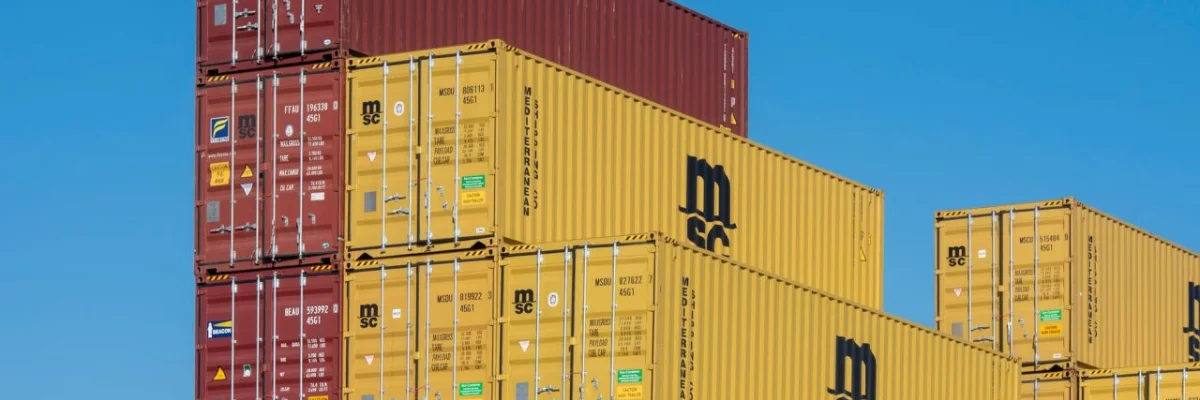
The global logistics landscape is undergoing a massive transformation driven by rapid technological advancement. Freight forwarders are increasingly tasked with managing complex supply chains while maintaining high visibility and operational speed. Relying on manual processes and disconnected systems often leads to data silos and human error that compromise service quality. By embracing cloud-based software platforms like MakeCargo, logistics companies can consolidate their operations into a single source of truth. This integration streamlines workflows, enhances real-time tracking capabilities, and ultimately provides the agility required to thrive in a competitive market where precision and speed are non-negotiable standards for long-term growth.
API-Driven Connectivity
Modern digital ecosystems rely on seamless API connections to move information between platforms without friction. By utilizing robust integration tools, freight forwarders eliminate the need for manual data entry, ensuring that carrier updates and customer requests are handled with absolute speed.
- Real-time data flow: Automated API connections ensure that status updates from carriers are pushed directly into your system, eliminating delays and providing customers with accurate information regarding their shipment status.
- Reduced manual error: Eliminating repetitive manual data entry significantly decreases the risk of costly administrative mistakes, which often occur during high-volume periods or when staff are managing multiple spreadsheets.
- Seamless carrier collaboration: Integrated platforms allow for instant communication with global carriers, facilitating faster booking confirmation processes and ensuring that documentation is shared securely across the entire logistics supply chain.
- Scalable technical architecture: Modern cloud solutions provide a flexible foundation that grows with your business, allowing you to add new integrations and modules as your operational requirements evolve over time.
Adopting API-driven connectivity transforms how your business interacts with partners and internal teams. By automating the flow of critical information, you empower your staff to focus on high-value tasks like customer service and strategic problem-solving. This shift toward total digital synchronization reduces operational overhead and builds trust with clients who demand transparency and speed, ultimately positioning your firm as a leader in modern logistics.
Cloud-Based Document Management

Digitizing documentation is essential for maintaining compliance and speed in modern shipping. Moving documents to a secure cloud repository ensures that all relevant stakeholders can access critical files from any location, improving collaboration and reducing the time spent searching.
- Centralized document access: Storing all shipping documentation in a unified cloud repository allows your team to retrieve critical files instantly, regardless of where they are working from across the globe.
- Enhanced security protocols: Cloud platforms offer robust encryption and backup features that protect your sensitive commercial data, ensuring that your business remains compliant with international safety and privacy regulations.
- Streamlined document sharing: Instant digital sharing capabilities allow you to transmit invoices, bills of lading, and customs declarations to partners, reducing the wait times associated with traditional paper-based document workflows.
- Version control accuracy: Automated document versioning ensures that every team member works from the most current data, preventing discrepancies that often lead to delays at customs or port terminals.
Efficient document management is the backbone of successful freight forwarding operations. When your team stops wasting hours chasing physical files or outdated email threads, they can dedicate their energy to managing exceptions and growing the business. This transition to digital-first documentation improves internal productivity and significantly enhances the client experience by providing immediate access to the necessary information for their international shipments.
Visibility Through Real-Time Tracking

Real-time visibility into cargo movement is no longer a luxury but a fundamental requirement for modern shippers. Integrated tracking systems provide granular updates that allow forwarders to manage exceptions proactively before they escalate into costly delays or complex customer service issues.
- Granular shipment tracking: Advanced software integrates directly with carrier systems to provide high-fidelity status updates that inform you exactly where cargo is located at any given moment.
- Proactive exception management: Automated alerts notify your operations team of potential delays or route deviations, allowing you to implement contingency plans immediately and minimize impact on the client.
- Client-facing tracking portals: Providing your customers with access to their own tracking portals fosters transparency, reduces the volume of status inquiries, and builds long-term loyalty with your partners.
- Operational performance metrics: Advanced tracking data allows you to analyze historical performance, helping your team identify bottlenecks and refine shipping strategies for future long-term logistical efficiency gains.
Visibility serves as the bridge between your operations and client expectations. By providing a clear, accurate, and real-time window into the supply chain, you minimize ambiguity and demonstrate professional competence. This high level of transparency is essential for building strong relationships with cargo owners. Furthermore, it gives your team the power to resolve problems before the customer is even aware of a potential issue.
Unified Communication Platforms

Effective communication prevents errors and drives speed throughout the shipping lifecycle. By using integrated software to manage messaging, your team ensures that all project-related notes are attached to the specific file, keeping every department aligned at all times.
- In-context communication tools: Integrated messaging features allow your team to leave specific notes directly within shipment files, ensuring all critical information remains accessible to authorized personnel during processing.
- Cross-departmental collaboration: Unified platforms break down internal silos by enabling seamless information exchange between the sales, operations, and accounting departments throughout the entire life of a shipment.
- Automated client notifications: Setting up automated triggers for milestone updates ensures that clients are kept informed without requiring manual intervention from your team, freeing up valuable staff time.
- Internal task delegation: Built-in workflow tools enable managers to assign specific tasks to team members within the platform, ensuring accountability and preventing any critical steps from being missed.
Centralizing communication inside your freight software fundamentally improves operational discipline. When staff members avoid using fragmented email chains, they gain a clearer view of project history and avoid misunderstandings. This integrated approach ensures that every stakeholder has the right information at the right time. Consequently, your company can execute complex international shipments with greater precision and far less administrative effort every day.
Conclusion

Leveraging cloud-based technology is the smartest path forward for freight forwarders aiming to scale their operations. By integrating your systems, you gain the visibility, efficiency, and clarity needed to navigate modern supply chains. Now is the perfect time to evaluate your current tech stack and embrace software solutions like MakeCargo to drive future profitability and provide superior service to your global clients.