Optimizing Freight Forwarding Operations Through Digital Integration
Friday, October 23 2026

The global logistics landscape is undergoing a profound transformation driven by rapid technological advancement and increasing demands for supply chain transparency. Freight forwarders are no longer just moving goods from one point to another but are acting as digital orchestrators for complex international trade networks. By adopting cloud-based platforms, firms can bridge the gap between fragmented legacy systems and the need for real-time data visibility. This evolution empowers professionals to reduce operational friction, automate repetitive manual tasks, and deliver superior customer service. Embracing digital integration is now a mandatory strategy for those aiming to scale their businesses effectively in this competitive environment.
Centralized Data Connectivity

Modern freight forwarding platforms act as a central hub where disparate data streams converge to form a single source of truth. This connectivity allows teams to access critical shipment information instantly, eliminating the need for siloed spreadsheets and disconnected email chains.
- Seamless API Integration: Connecting your core software with carrier portals and customs databases ensures that information flows automatically without manual data entry, significantly reducing the potential for human error.
- Unified Communication Channels: Centralized platforms consolidate all client communications and internal notes, allowing every team member to stay updated on shipment status changes without digging through lengthy email threads.
- Automated Data Synchronization: Real-time updates across multiple modules ensure that financial records, inventory levels, and tracking logs remain consistent throughout the entire lifecycle of every international freight shipment.
- Enhanced Data Security: Cloud-based architecture provides robust encryption and automated backups, protecting your sensitive business intelligence from unauthorized access while maintaining full regulatory compliance across international borders at all times.
By unifying your data infrastructure, you remove the bottlenecks that typically stall shipment processing times. Teams can collaborate more effectively when they share a consistent view of the operational pipeline. This clarity not only speeds up decision-making but also enhances the reliability of the information provided to your clients, building trust that sustains long-term partnerships and drives consistent business growth in volatile markets.
Automated Workflow Management

Automation is the cornerstone of modern logistics, allowing forwarders to handle increased cargo volumes without scaling their headcount. By automating routine administrative tasks, staff can focus on managing exceptions and building stronger client relationships rather than chasing status updates.
- Document Generation Tools: Automatically create essential shipping documents like bills of lading and commercial invoices using existing shipment data, saving hours of repetitive work for your operations team members.
- Custom Alert Notifications: Configure automated triggers that notify stakeholders of milestone updates or potential delays, ensuring that proactive communication becomes a standard practice within your freight forwarding daily workflow.
- Smart Task Allocation: Intelligent software assigns specific responsibilities to staff members based on their current workload or expertise, ensuring that no shipment falls through the cracks during peak seasons.
- Regulatory Compliance Automation: Integrated software checks for mandatory documentation and verifies tax codes automatically, helping your firm avoid costly fines associated with customs errors during the import clearance process.
Implementing automation creates a scalable framework that supports your firm as it expands into new trade lanes. When your team spends less time on manual data entry, they become more agile in handling complex logistics challenges. This strategic shift allows your organization to process more shipments with higher accuracy, directly boosting your bottom line and overall operational efficiency in the global marketplace.
Real-Time Shipment Visibility

Providing customers with instantaneous shipment status updates is a baseline expectation in the modern shipping industry. Cloud platforms offer sophisticated tracking capabilities that offer comprehensive transparency from the moment of pickup until the final delivery at the warehouse.
- Live Tracking Dashboards: Clients gain direct access to an interactive portal where they can monitor container locations, vessel schedules, and estimated arrival times without calling your support desk.
- Proactive Exception Management: Advanced systems identify potential delays early, allowing your team to inform clients and arrange alternative routing before a small issue becomes a major supply chain disruption.
- Carrier Portal Synchronization: Automatically pull tracking data from ocean and air carriers directly into your platform, providing a consolidated view of multi-modal shipments on one single screen.
- Customized Reporting Analytics: Generate detailed performance reports for your high-volume clients, highlighting key metrics like transit times and service reliability to demonstrate value during periodic business reviews and renewals.
Giving your clients control over their shipment data fosters a transparent professional relationship that minimizes unnecessary service inquiries. When your customers have the information they need at their fingertips, your support staff is freed from answering routine questions. This proactive approach to visibility distinguishes your services in a crowded market, positioning your brand as a reliable partner that values client time and business.
Scaling Through Digital Infrastructure
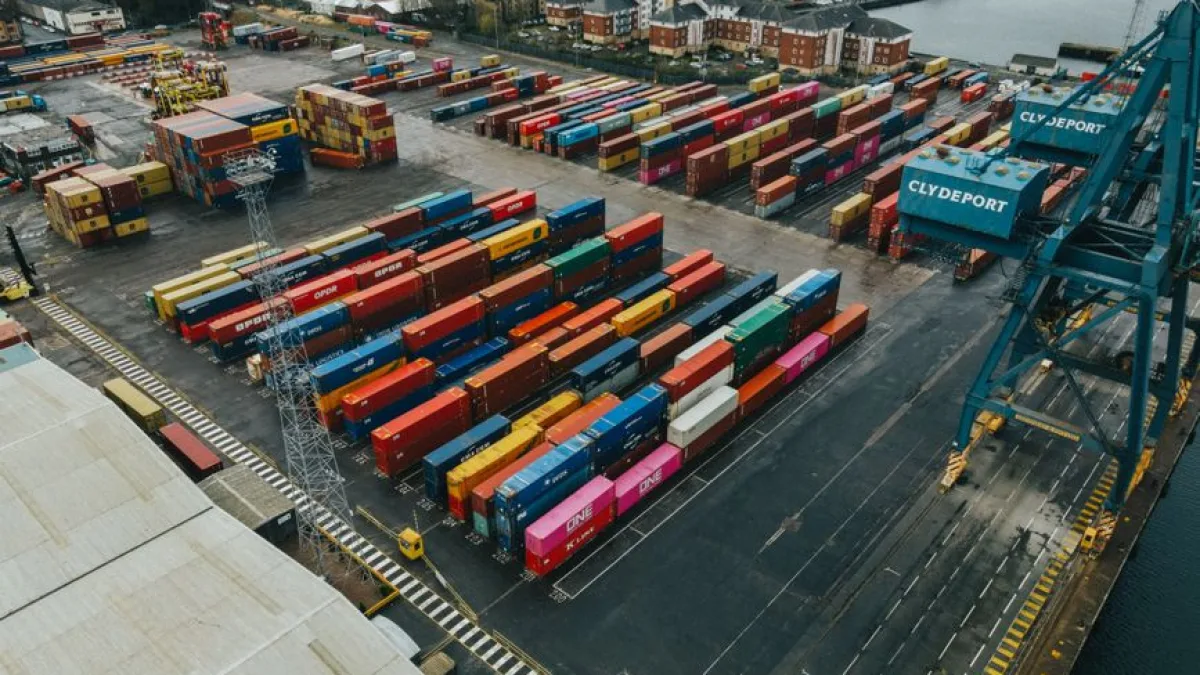
Future-proofing your business requires a digital foundation capable of adapting to rapid industry changes. Cloud-based freight software enables you to integrate new tools and expand your service offerings as your company grows, ensuring you remain relevant and highly responsive to shifting global market demands.
- Flexible Cloud Scalability: Easily increase user seats or storage capacity as your business grows, ensuring your software infrastructure keeps pace with your increasing volume of international cargo movements.
- Rapid Feature Updates: Benefit from ongoing software enhancements delivered through the cloud, providing your team with access to the latest logistics technology without needing complex manual hardware installations.
- Multi-Branch Connectivity: Link regional offices into one cohesive digital network, facilitating seamless collaboration between your global teams and standardizing operational processes across all your varied international branch locations.
- Interoperability With Ecosystems: Future-ready platforms are designed to connect with emerging technologies like blockchain for secure documentation or AI tools for predictive pricing, keeping your business at the forefront.
Building a scalable digital infrastructure prepares your firm to survive and thrive during periods of market volatility. By moving away from rigid, legacy software, you gain the agility required to launch new services or enter new regions without significant friction. This investment in modern technology serves as the primary engine for sustainable growth, ensuring your firm remains a competitive leader in the global logistics sector.
Conclusion

Digital transformation is the definitive path forward for freight forwarders seeking to enhance operational performance. By leveraging integrated cloud technology, you unlock new levels of efficiency, visibility, and scalability across your entire organization. Start modernizing your workflow today to meet the complex needs of your global clients. MakeCargo provides the essential tools to help your logistics business succeed in an increasingly digital world.