Optimizing Freight Forwarding Operations with Cloud Software
Monday, August 17 2026

Modern freight forwarding requires agility and precision in an increasingly complex global supply chain. As companies face rising customer expectations and volatile market conditions, relying on outdated manual processes or disconnected legacy systems is no longer a viable strategy for success. Shifting to a unified, cloud-based platform allows teams to consolidate their workflows, enhance data transparency, and accelerate response times across every shipment. By leveraging digital tools to automate routine tasks, forwarders can reclaim valuable time to focus on strategic client relations and growth initiatives while maintaining full operational visibility from origin to final destination.
Centralizing Data Management

Centralizing your shipment data through a single cloud platform eliminates information silos. This shift allows your team to access real-time status updates instantly, preventing communication gaps and ensuring that every stakeholder remains informed throughout the entire logistics lifecycle.
- Improved data accuracy: Centralized systems eliminate manual entry errors by synchronizing data across multiple modules, ensuring that every shipment document reflects the most current information for your global clients.
- Instant document access: Storing all invoices, bills of lading, and customs declarations in one secure repository saves staff hours previously spent searching through physical filing cabinets or email.
- Unified team collaboration: Cloud platforms empower remote teams to work on the same live shipment files, facilitating seamless communication between dispatchers, warehouse staff, and international freight agents.
- Real-time visibility tools: Automated dashboards provide comprehensive snapshots of active shipments, allowing managers to identify potential delays and resolve operational bottlenecks before they impact your delivery schedule.
By moving away from scattered spreadsheets, your organization gains a single source of truth that simplifies auditing and reporting. This centralized approach reduces administrative overhead significantly, allowing your logistics staff to handle higher volumes of freight with greater confidence. Ultimately, investing in a robust digital infrastructure transforms your internal data management from a complex burden into a significant competitive advantage for your growing company.
Automating Routine Workflows

Automation is the cornerstone of modern logistics productivity, turning repetitive manual tasks into streamlined digital processes. By utilizing smart software features, forwarders can reduce human error and ensure that standard workflows proceed without unnecessary delays or constant manual intervention.
- Automatic status updates: Smart notifications inform customers about movement milestones automatically, freeing your operations team from the repetitive task of manually drafting emails for every single container.
- Template document generation: Standardized document templates allow staff to create compliant bills of lading and commercial invoices in seconds, reducing the time required for complex paperwork.
- Workflow trigger systems: Intelligent software triggers alert relevant personnel when specific actions are required, ensuring that critical deadlines such as customs clearance are never missed by staff.
- Custom notification rules: Configure personalized alerts to match your unique operational requirements, ensuring that only the most relevant shipment data reaches the right team members immediately.
Automation empowers your business to scale operations without a proportional increase in headcount or payroll expenses. By delegating data entry and routine status updates to the software, your employees can prioritize high-value tasks such as exception management and client negotiation. This transition to an automated environment creates a reliable foundation for consistent service delivery that your customers will surely appreciate today.
Enhancing Customer Transparency

Providing customers with clear visibility is essential for building long-term trust in a competitive market. Modern cloud platforms enable self-service tracking capabilities that empower your clients to monitor their shipments independently, reducing the need for constant status inquiries.
- Client tracking portals: Offer your customers a secure online portal where they can monitor their freight progress 24/7 without needing to contact your operations team directly.
- Proactive delay alerts: Notify your clients instantly about unexpected port congestion or weather delays, positioning your firm as a proactive partner that values honest and open communication.
- Detailed shipment history: Maintain a comprehensive archive of historical freight data that customers can access for their own supply chain planning and future logistics budgeting.
- Digital signature features: Incorporate electronic signatures into your delivery process, allowing for faster proof of delivery verification and a more professional experience for every business client.
When you offer superior transparency, you move beyond being a simple vendor to becoming a strategic partner. This level of service differentiates your brand in a crowded market and builds loyalty that is difficult for competitors to displace. Clients prefer to work with forwarders who provide immediate access to information, as this reduces their own internal anxiety and simplifies their inventory planning.
Scaling Your Logistics Operations
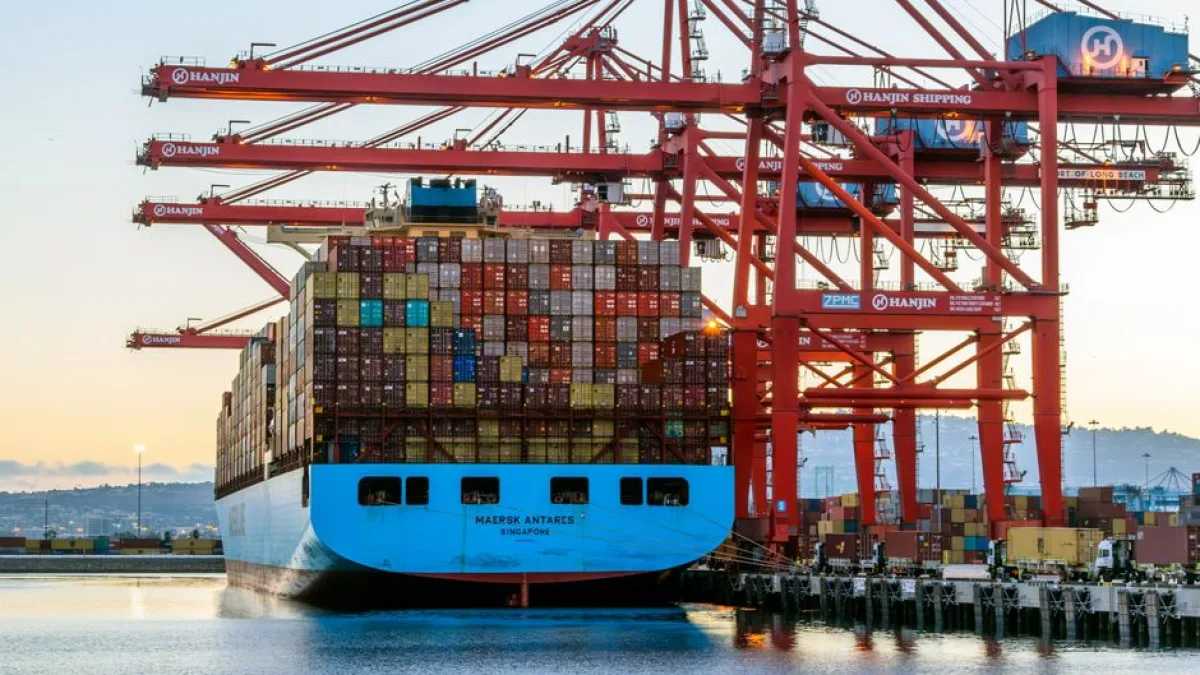
Scaling a freight forwarding business requires systems that grow alongside your increasing shipment volume. Cloud software provides the flexible infrastructure needed to handle expansion, allowing your company to enter new trade lanes without needing complex technical migrations or expensive server upgrades.
- Multi-language support options: Expand your global footprint easily by using software that supports multiple languages and local currencies for your international branch offices and overseas partners.
- Flexible user permissions: Manage your growing workforce with ease by assigning specific access levels to different team members, ensuring data security while maintaining necessary operational agility.
- Seamless system integrations: Connect your freight software with accounting tools and carrier platforms to build a comprehensive ecosystem that supports your business as it scales globally.
- Data-driven growth insights: Utilize built-in analytics to identify which trade lanes are most profitable, helping you make informed decisions about where to focus your future growth.
Adapting your software to accommodate business growth is vital for long-term survival in the logistics industry. By utilizing a scalable cloud platform, you remove technical barriers that could otherwise hinder your expansion into new international markets. With the right digital foundation in place, your team can focus on acquiring new customers and expanding service offerings while the software maintains high performance levels.
Conclusion

Adopting advanced cloud-based software is a necessary step for any freight forwarder aiming to stay competitive in today's fast-paced digital economy. By centralizing data, automating routine tasks, improving customer transparency, and enabling scalable growth, your business can achieve new levels of efficiency. Start optimizing your operations with MakeCargo today to ensure your team is equipped for the challenges and opportunities of modern logistics.