Optimizing Freight Forwarding Operations with Cloud Technology
Sunday, September 20 2026
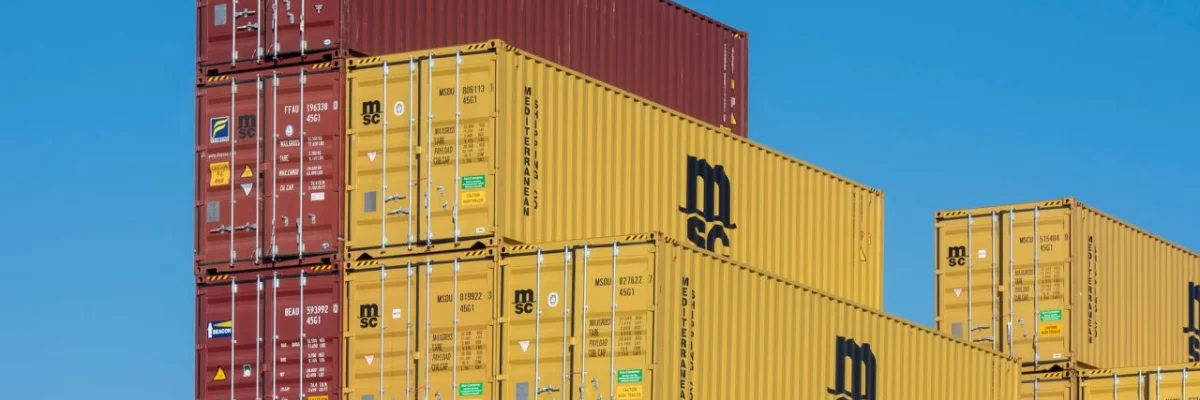
Modern freight forwarding requires agility and precision to navigate the complexities of global supply chains. As businesses deal with fluctuating fuel costs and shifting geopolitical landscapes, the reliance on outdated manual spreadsheets has become a major bottleneck for growth. Transitioning to a cloud based freight forwarding platform allows teams to consolidate fragmented data, automate routine communication, and provide real time visibility to their global customers. This evolution is not merely an improvement but a fundamental necessity for those aiming to maintain competitive margins while scaling operations in an increasingly digital and hyper connected international logistics environment.
Centralizing Data Streams

Consolidating disparate data sources into a single cloud interface eliminates the risks associated with manual entry and document misplacement. This unified approach provides your team with the accurate information needed to make informed logistics decisions quickly and reliably.
- Improved data accuracy: Centralized systems eliminate redundant entry tasks and minimize human errors, ensuring that all stakeholders have access to the most current shipment status and financial records available.
- Enhanced team collaboration: When information is stored in one accessible cloud location, departments can coordinate seamlessly without the need for endless email chains or separate disconnected software tools.
- Real time visibility: Digital platforms allow forwarders to track shipments across multiple carriers and ports, providing instant updates that help proactively manage potential delays before they escalate.
- Simplified document management: Storing bills of lading and customs documents in a secure digital repository reduces physical filing requirements and ensures instant retrieval for all authorized personnel.
- Scalable operational capacity: A unified cloud infrastructure allows your firm to handle higher volumes of cargo without the proportional increase in back office staff or overhead costs.
By moving away from local files toward a centralized cloud system, your business achieves a level of operational harmony that was previously impossible. This transition does not just clean up your current workflow; it builds a foundation for long term efficiency. Your staff can spend less time searching for documents and more time focusing on high value client service and complex logistics problem solving.
Automating Documentation Processes

Manual document processing is one of the most time consuming aspects of freight forwarding operations. Automating the generation of house bills, commercial invoices, and customs manifests reduces the administrative burden on your staff while significantly lowering the risks of clerical mistakes.
- Automated form filling: Software extracts data from existing booking entries to populate standard shipping forms, saving hours of manual data input time during peak business seasons.
- Faster error detection: Built in validation checks identify missing or incorrect information before a document is submitted to customs authorities, preventing costly delays at border crossings.
- Unified format standards: Automated tools ensure that all generated documents comply with international regulatory requirements, keeping your operations compliant and reducing the risk of customs fines.
- Instant client delivery: Digital systems allow for the immediate generation and automated emailing of shipping documents directly to your clients, which accelerates the overall billing cycle.
- Reduced processing delays: Streamlined workflows ensure that paperwork moves as fast as the physical cargo, avoiding the common pitfalls of stagnant documentation during critical transshipment phases.
Adopting automation is the smartest move for forwarders who want to stop chasing paperwork and start focusing on strategy. When documents are handled by software, your team experiences a significant reduction in stress and a boost in overall output quality. This shift transforms your operational profile, making your firm appear more professional and responsive to the needs of modern international trading partners.
Enhancing Customer Communication

Providing clients with transparency is essential for building trust in the freight industry. Cloud platforms offer portals where customers can access shipment data independently, reducing the volume of inbound inquiries and freeing your staff for more complex logistical tasks.
- Customer self service: Secure client portals empower your customers to check their own shipment status, view invoice history, and download essential documents at any time of day.
- Proactive update notifications: Automated alert systems inform your customers immediately of any changes or milestones in the shipment lifecycle, fostering a higher level of professional trust.
- Professional brand presentation: Custom branded portals ensure that every interaction your client has with your firm reflects your professional standards and commitment to digital excellence.
- Reduced support volume: By providing clients with the information they need online, your customer service representatives can focus on solving complex issues rather than answering routine.
- Stronger client retention: High levels of transparency and consistent communication are direct drivers of long term loyalty in the competitive freight forwarding and logistics industry market.
When you provide clients with reliable, on demand information, you differentiate your service from traditional forwarders who rely on manual updates. This level of digital engagement creates a superior customer experience that is difficult for competitors to replicate. By prioritizing transparency through technology, you establish your company as a modern partner that is truly invested in the success of its international shipping clients.
Scaling with Cloud Infrastructure

Cloud infrastructure provides the necessary elasticity to scale your operations according to seasonal demand. Unlike legacy software, cloud solutions grow with your business, allowing you to add users and features without the need for massive hardware investments or downtime.
- Flexible resource allocation: Scale your operational capacity up or down based on current shipping volumes, ensuring that you only pay for the software resources you actually need.
- Lower entry costs: Cloud based systems require minimal initial investment compared to on premise hardware, allowing smaller firms to access enterprise grade logistics tools from day one.
- Global access capabilities: Your team can manage shipments and resolve issues from any location with an internet connection, which is vital for multinational logistics firm operations.
- Automatic software updates: System enhancements and security patches are delivered automatically, ensuring that your team always has the latest tools without requiring internal IT support efforts.
- Superior data security: Professional cloud providers implement advanced encryption and daily backups, offering far better protection for sensitive shipping data than most private local server installations.
Investing in scalable cloud technology is a commitment to the future of your logistics firm. This infrastructure supports your growth by providing a stable, secure, and flexible environment that adapts to your specific operational needs. When you remove the barriers of traditional software, you unlock the ability to innovate faster and respond to market shifts with the speed that modern global trade demands.
Conclusion

Modernizing your freight forwarding operations is essential for success in today's fast paced global market. By choosing to implement cloud based solutions, you improve efficiency, strengthen client relationships, and position your company for sustainable long term growth. Start your digital transformation today to gain the competitive edge that your business deserves. Contact the MakeCargo team to explore how our software supports your goals.