Optimizing Freight Forwarding Operations with Cloud Technology
Friday, October 30 2026
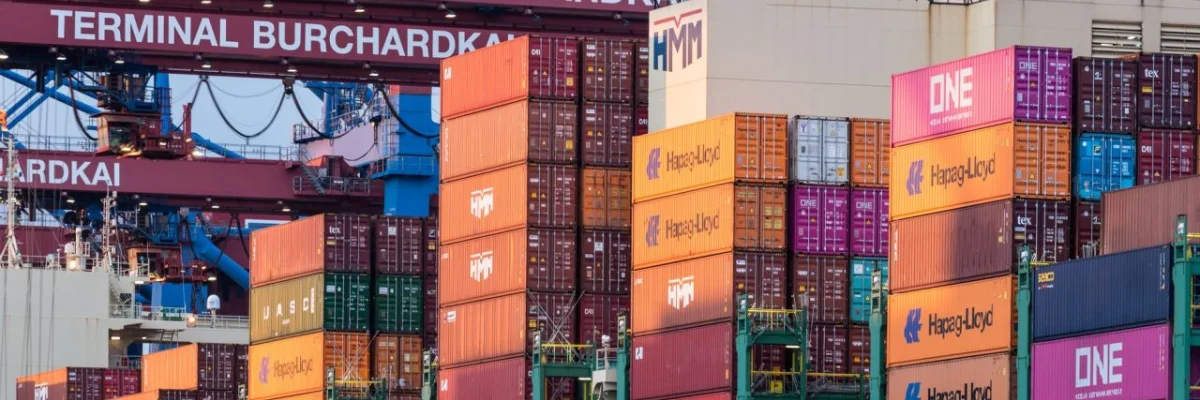
The modern logistics landscape demands unprecedented levels of speed and accuracy to maintain a competitive edge. Freight forwarders often struggle with fragmented communication and manual data entry processes that lead to costly errors and delays. By embracing cloud-based digital infrastructure, forwarders can centralize their operations and provide real-time transparency to stakeholders across the supply chain. This strategic shift not only reduces administrative overhead but also empowers your team to make data-driven decisions that improve profitability. Implementing advanced software solutions is no longer a luxury but a fundamental necessity for any forwarder looking to thrive in an increasingly volatile global shipping market.
Centralizing Data Management

Digital document management systems transform the way forwarders handle vast amounts of paperwork daily. By moving away from local files and scattered emails, your team gains a single source of truth that simplifies compliance and improves accessibility for everyone involved.
- Automated file organization: Our cloud platform automatically categorizes incoming shipping documents to ensure your team never loses critical paperwork during high-volume periods or complex customs clearance procedures at major international ports.
- Secure cloud storage: Protecting sensitive client information is essential in logistics, and our encrypted servers provide robust defenses against data breaches while maintaining easy access for authorized internal personnel.
- Version control consistency: Every team member views the most current iteration of a shipping manifest, preventing costly mistakes caused by outdated files or conflicting information shared across different regional offices.
- Instant document retrieval: Spend less time searching through overflowing digital folders and more time growing your business by utilizing advanced search filters to find specific manifests in mere seconds.
Adopting a centralized approach creates a seamless workflow that eliminates internal friction. When your staff can access essential data from any location, productivity naturally increases. This transition requires minimal downtime, yet the long-term benefits of enhanced accuracy and reduced labor costs are immense. Start your transformation today by consolidating your documentation and watching how quickly your team begins to regain valuable operational hours.
Automating Routine Communication

Automated communication tools bridge the gap between forwarders and their clients through proactive notifications. Instead of manually updating every shipment status, your software handles the heavy lifting, ensuring that all stakeholders receive timely alerts regarding their cargo status.
- Proactive shipment updates: Keep your clients informed automatically by sending triggered notifications at every key milestone, which significantly reduces the volume of manual inquiries your staff must handle daily.
- Standardized response templates: Use customizable communication templates to ensure your brand voice remains consistent while accelerating the time it takes to answer common questions from partners and carriers.
- Integrated communication history: Maintain a comprehensive audit trail of every conversation directly within the shipment record, providing complete context for any team member who might need it.
- Client portal access: Empower your customers by giving them direct access to their tracking information through a secure portal, building trust through transparency and reducing operational manual support.
Efficient communication is the cornerstone of great customer service in the logistics industry. By automating mundane updates, you free your account managers to focus on building stronger relationships rather than acting as simple messengers. This shift in focus elevates your brand and fosters long-term client loyalty. When transparency becomes the standard, your partners will view you as a reliable extension of their team.
Enhancing Real-time Visibility

Real-time visibility allows forwarders to track shipments across international borders with pinpoint accuracy. Integrating GPS data directly into your software platform provides actionable insights that allow you to anticipate delays before they impact your clients operations or bottom line.
- Live tracking integration: Connect your platform directly with carrier APIs to pull live location data, ensuring that your dashboard reflects the absolute current position of every container.
- Custom alert triggers: Configure personalized alerts to notify your team when shipments deviate from their planned route, allowing for rapid intervention to mitigate potential transit delays or issues.
- Supply chain mapping: Visualize your entire logistics network to identify recurring bottlenecks and optimize future shipping routes for improved performance, lower costs, and faster overall delivery times.
- Data driven forecasting: Utilize historical shipment data to predict future transit times and capacity requirements, helping you plan ahead for seasonal shifts or market fluctuations effectively.
Seeing the full picture of your cargo journey provides peace of mind that translates into better service levels. Real-time data turns potential logistics headaches into manageable tasks by highlighting issues as they arise rather than after the fact. Investing in visibility tools is the smartest way to minimize risk, reduce carrier uncertainty, and demonstrate professional competence to your most demanding international freight customers.
Optimizing Financial Workflows

Financial workflows within freight forwarding require strict oversight to ensure healthy cash flow and accurate billing practices. Integrating your billing system with your operational platform reduces the gap between service delivery and final payment collection significantly.
- Seamless invoice generation: Automatically generate accurate invoices based on the specific services performed during the shipment, minimizing manual billing errors and accelerating your company's overall revenue collection cycles.
- Multi-currency support features: Handle international transactions with ease by utilizing built-in currency conversion tools that ensure your financial records remain accurate regardless of the global markets involved.
- Automated payment reminders: Set up smart payment cycles that automatically remind clients of upcoming or overdue invoices, helping your accounting team maintain steady cash flow without manual effort.
- Integrated tax compliance: Ensure all financial documents meet regional regulatory standards through built-in tax calculation features, protecting your business from potential penalties during audits or financial reviews.
Optimizing how you handle money is just as important as optimizing how you move goods. By removing the manual burden from your accounting department, you decrease the likelihood of missed payments and billing discrepancies. A robust financial engine ensures your operations remain profitable and sustainable over the long term. Focus on building a system that rewards efficiency while maintaining strict control over every invoice.
Conclusion

Successful freight forwarding depends on the integration of efficient technology into your daily workflows. By embracing cloud solutions, you gain the agility needed to handle modern logistics challenges with total confidence. Start by automating your most time-consuming tasks to free up your team for high-value strategic growth. Elevate your operational standards today by partnering with MakeCargo to simplify your complex global logistics operations.